

Mercenaries and Dragons
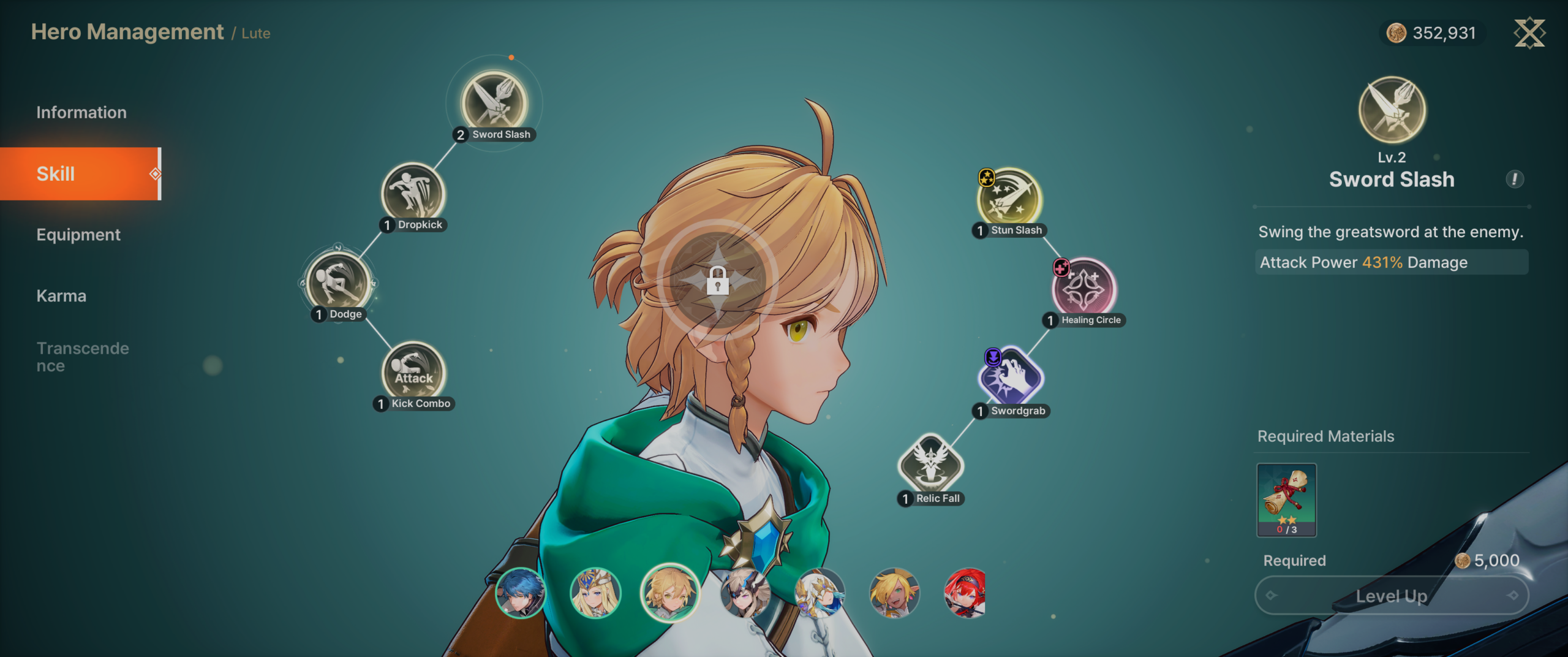
The story revolves around Lute, a young warrior who has lost his memory and finds himself caught up in a series of events linked to the return of dragons. Accompanied by a group of mercenaries, the protagonist reaches the continent of Orbis, joins the Guild, and begins to investigate the mysteries surrounding his own past. From the very first hours, it becomes evident that Lute possesses a special bond with draconic creatures and that an unknown power lies dormant within him. The plot uses classic elements of Japanese fantasy, such as the protagonist's amnesia and ancient, forgotten legends, but still manages to spark curiosity thanks to the numerous questions left unanswered by the demo.
A combat system that smells like Dragon Nest
The defensive system also follows a particular philosophy. In fact, there isn't a universal parry available for all characters. Dodging is the primary tool for avoiding enemy attacks, while only certain heroes possess specific abilities that allow them to block or counter. This choice further differentiates the roster. One of the most interesting mechanics, however, concerns Lute. During battles against dragons, the protagonist can use a special ability that allows him to climb directly onto the creature's back and continue the attack from a privileged position. This solution immediately brings to mind Monster Hunter and Dragon's Dogma, adding a spectacular dimension to the most important boss fights while simultaneously strengthening the narrative bond between the protagonist and the draconic creatures.
An open world that rewards curiosity
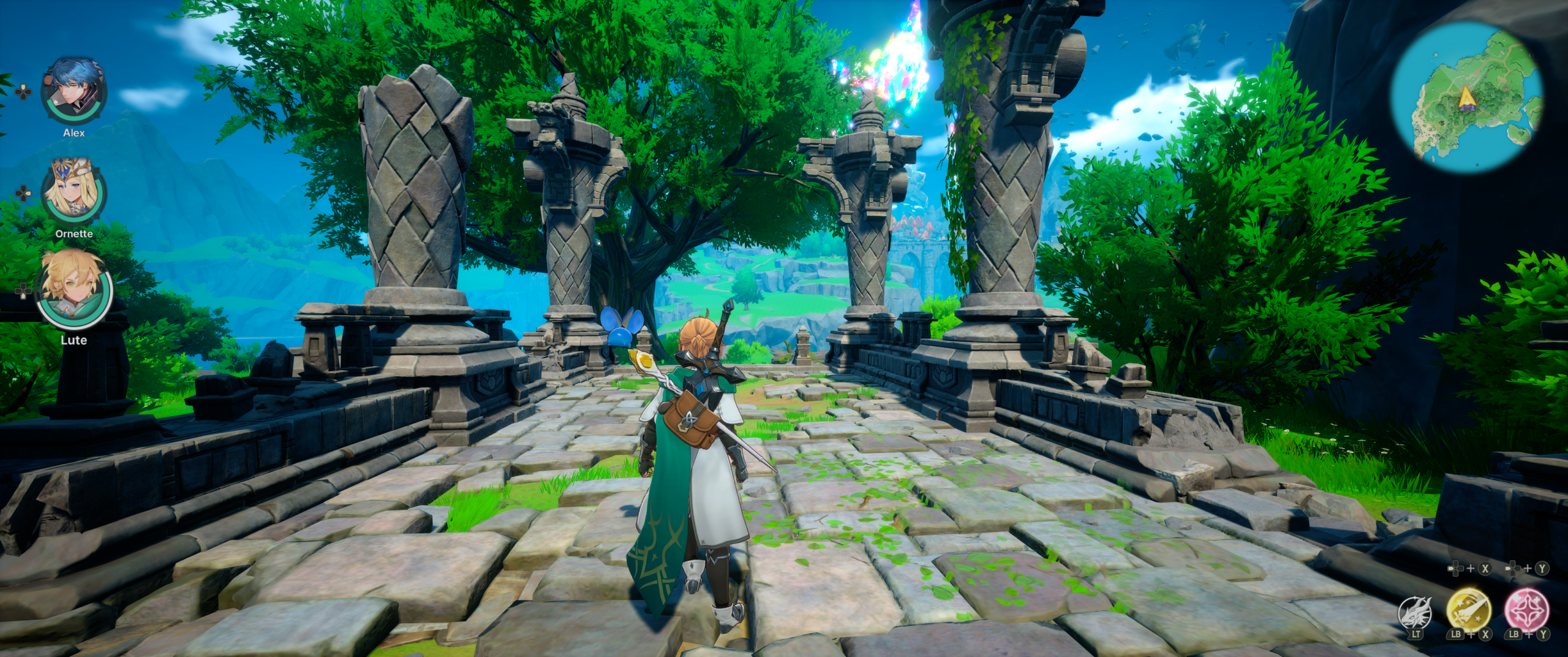
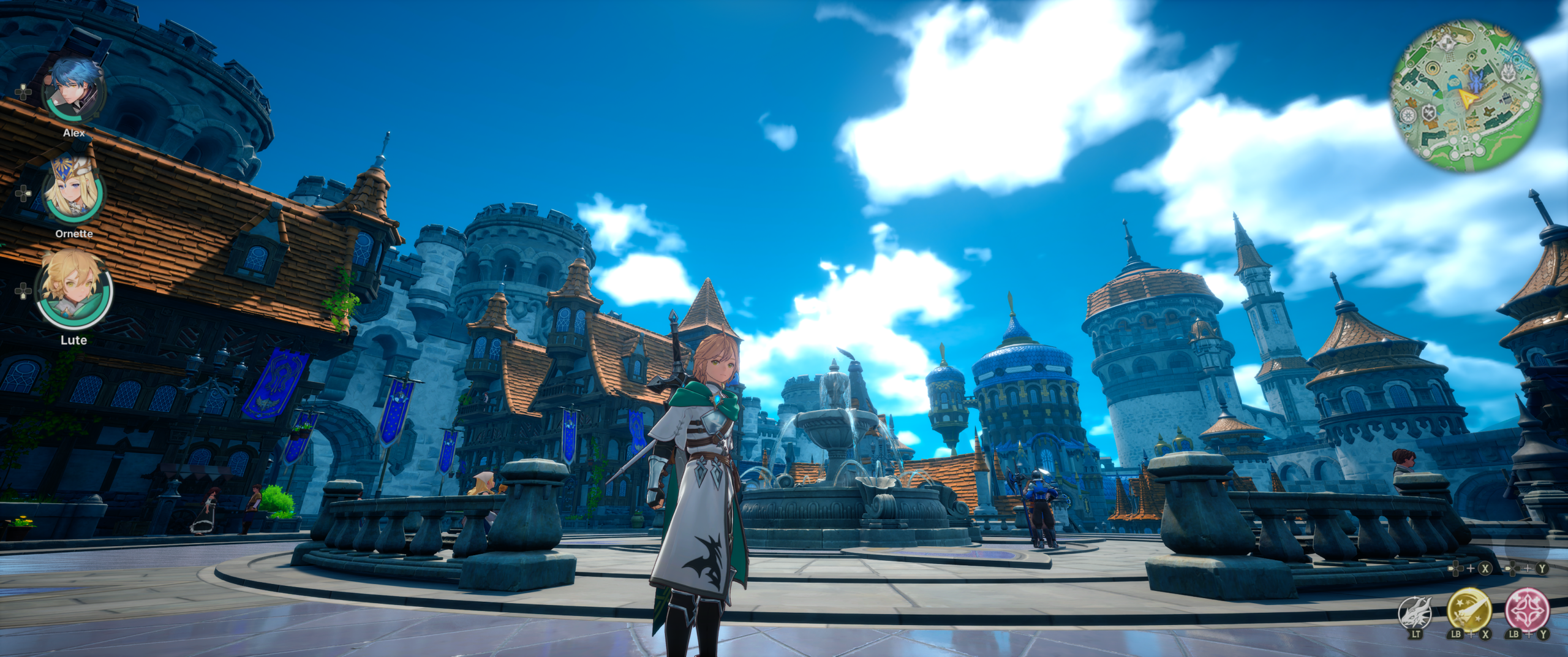
Although the demo only allows you to visit a portion of the map, a glance at the world screen is enough to understand the project's ambition. Orbis appears vast and full of unexplored regions, hinting at a considerable amount of content in the full version. At the heart of the experience is a city that serves as the adventure's main hub. Here you'll find the Guild, merchants, blacksmiths, and numerous other NPCs who seem destined to play an important role in progression. In the demo, many of these functions are not yet accessible, and the only truly usable structure is the Guild, but the feeling is that of an operational center destined to expand over the course of the adventure. Once you leave the city, the world can be explored freely. During your journey, you may encounter enemy camps, dungeons, environmental puzzles, and activities scattered in every corner of the map. Exploration is constantly encouraged through rewards and points of interest that push the player away from the main path.
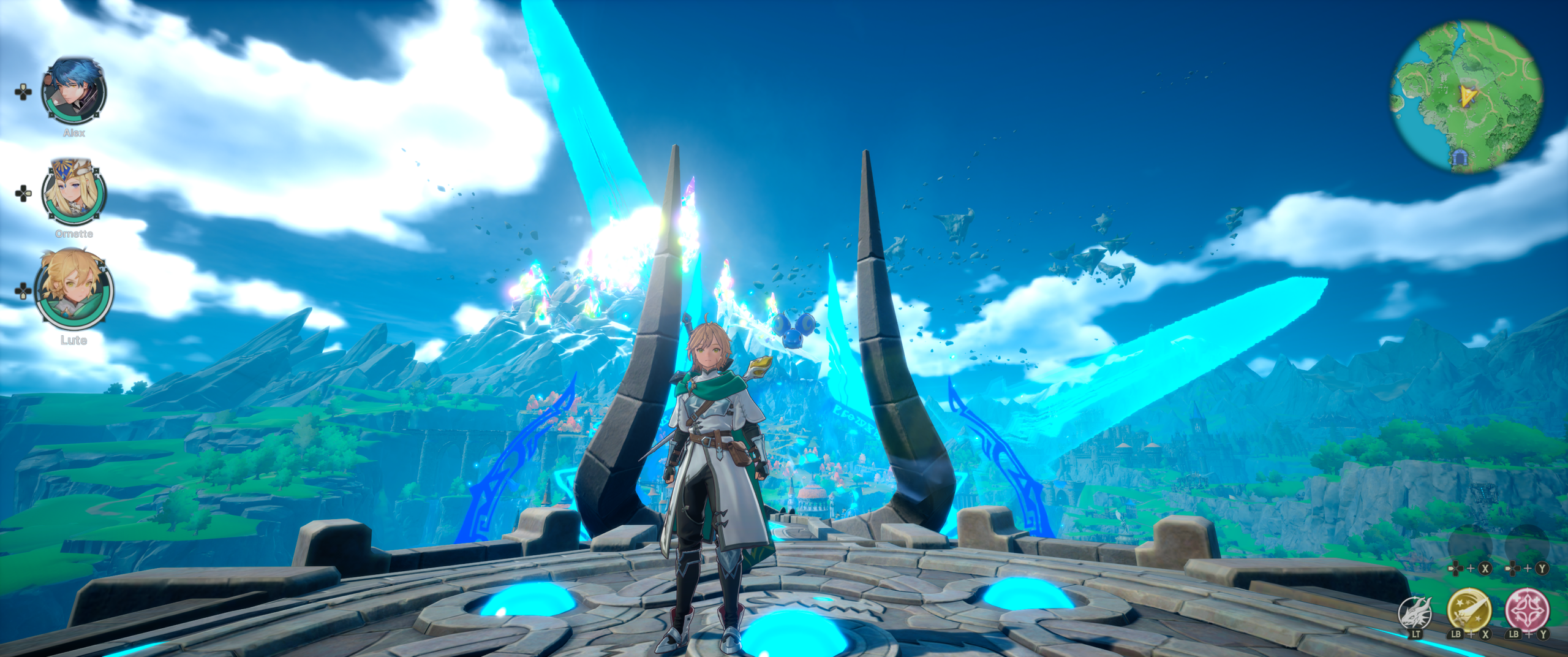
Particularly interesting is the warp system. In addition to the traditional fast travel points, there are structures that require the solving of environmental puzzles to be activated. Once unlocked, these also reveal portions of the map that are still obscured, facilitating exploration of the surrounding areas. Other special points, however, allow the party's health to be fully restored before facing new challenges. The adventure's progression is divided between main missions and secondary assignments obtained from NPCs present in the game world. These are complemented by replayable dungeons, likely the most interesting content for those who appreciate the combat system.
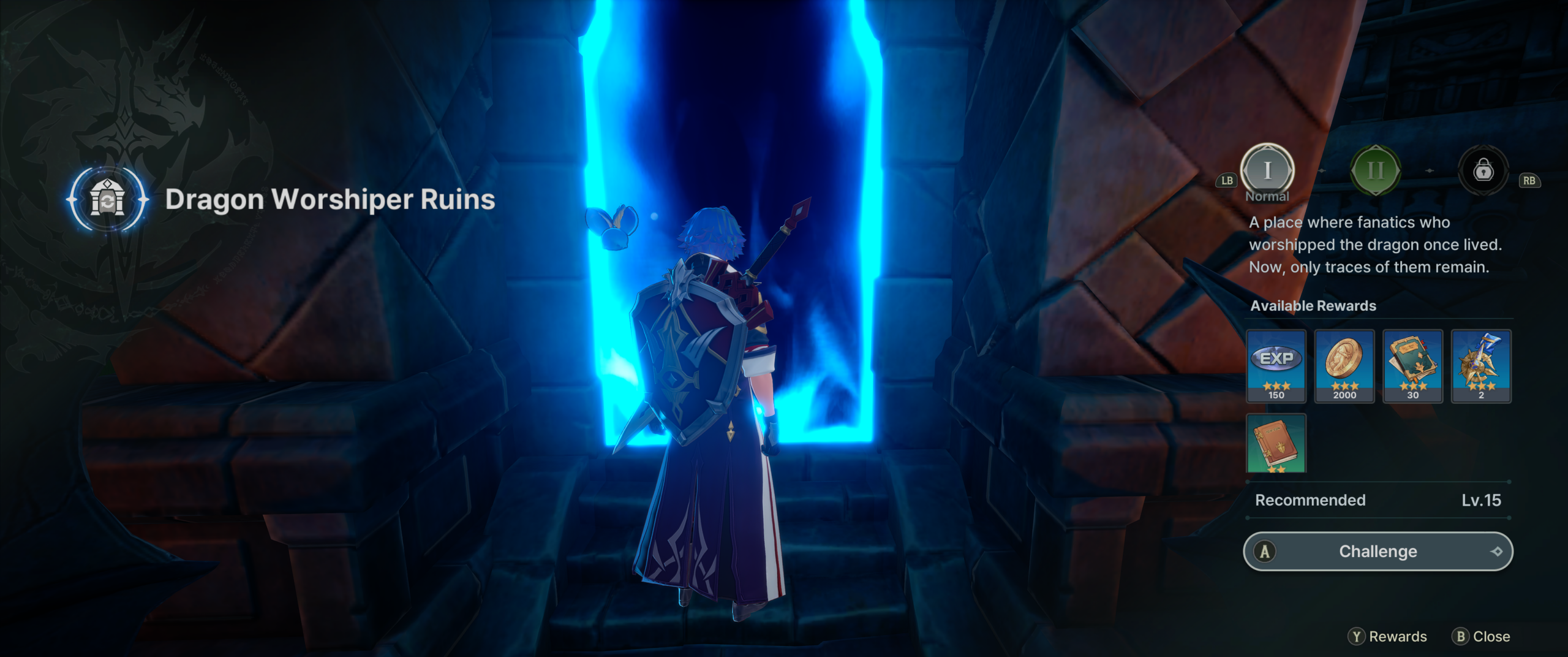
Each dungeon culminates with a boss battle and offers useful materials for growing your roster, currency, and new equipment. Once completed, they can be replayed at higher difficulties for better rewards, creating a structure that strongly recalls the online action RPGs from which the game draws inspiration. The only limitation encountered during testing concerns the replayability of the main campaign. Currently, it doesn't seem possible to re-challenge story missions or main bosses once defeated, while dungeon bosses can be faced freely as many times as desired.
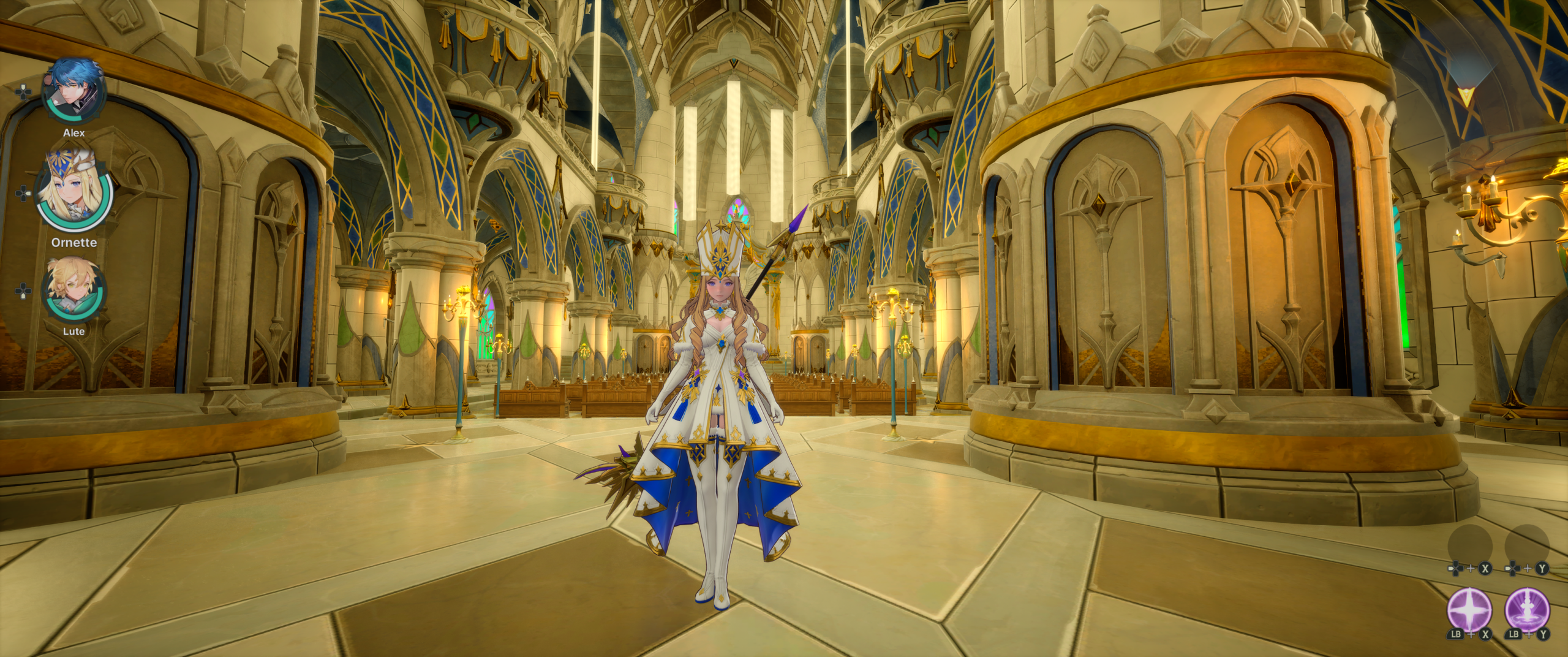
A rich and varied roster
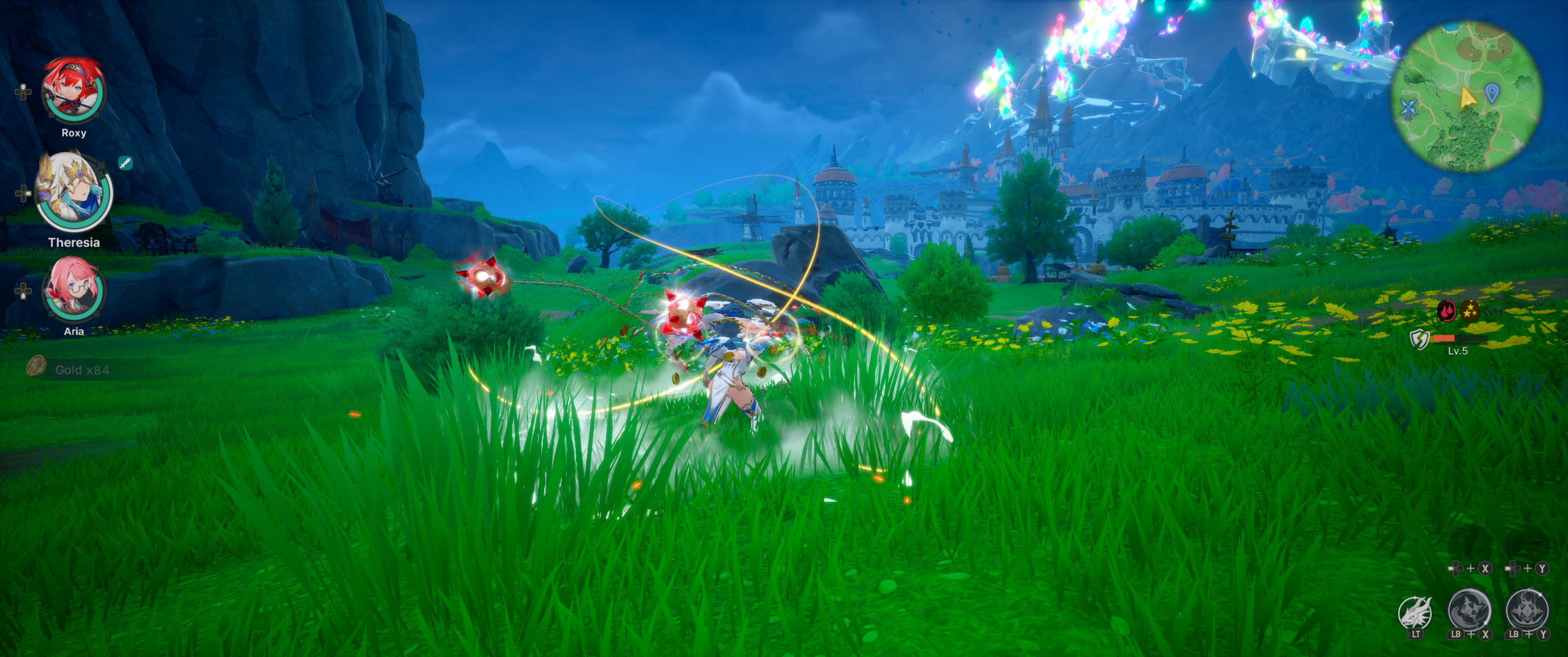
Promoted, yes... but needs refinement.
While leaving very positive sensations, the demo highlights some aspects that still need refinement. The absence of a lock-on system is undoubtedly the most evident problem. During more chaotic battles, the camera struggles to follow the action correctly and often forces the player to manually adjust the framing, making some fights more confusing than necessary. The movement system also presents some uncertainties. The jump feels slightly stiff, and the lack of an aerial dodge limits defensive options during vertical combos, creating a small inconsistency in a system that otherwise often encourages aerial combat. These are issues that do not compromise the overall quality of the experience, but they clearly emerge during the testing and could benefit from further refinement before the final release.
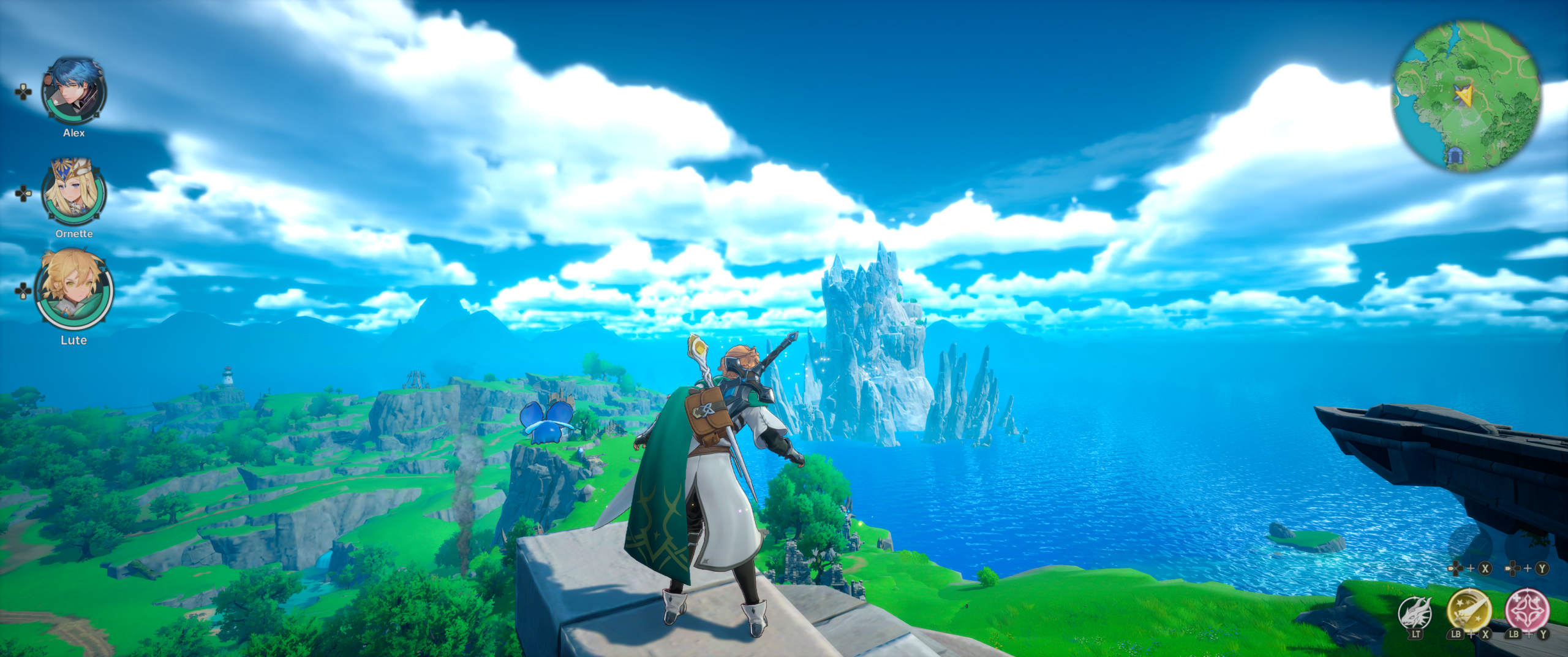
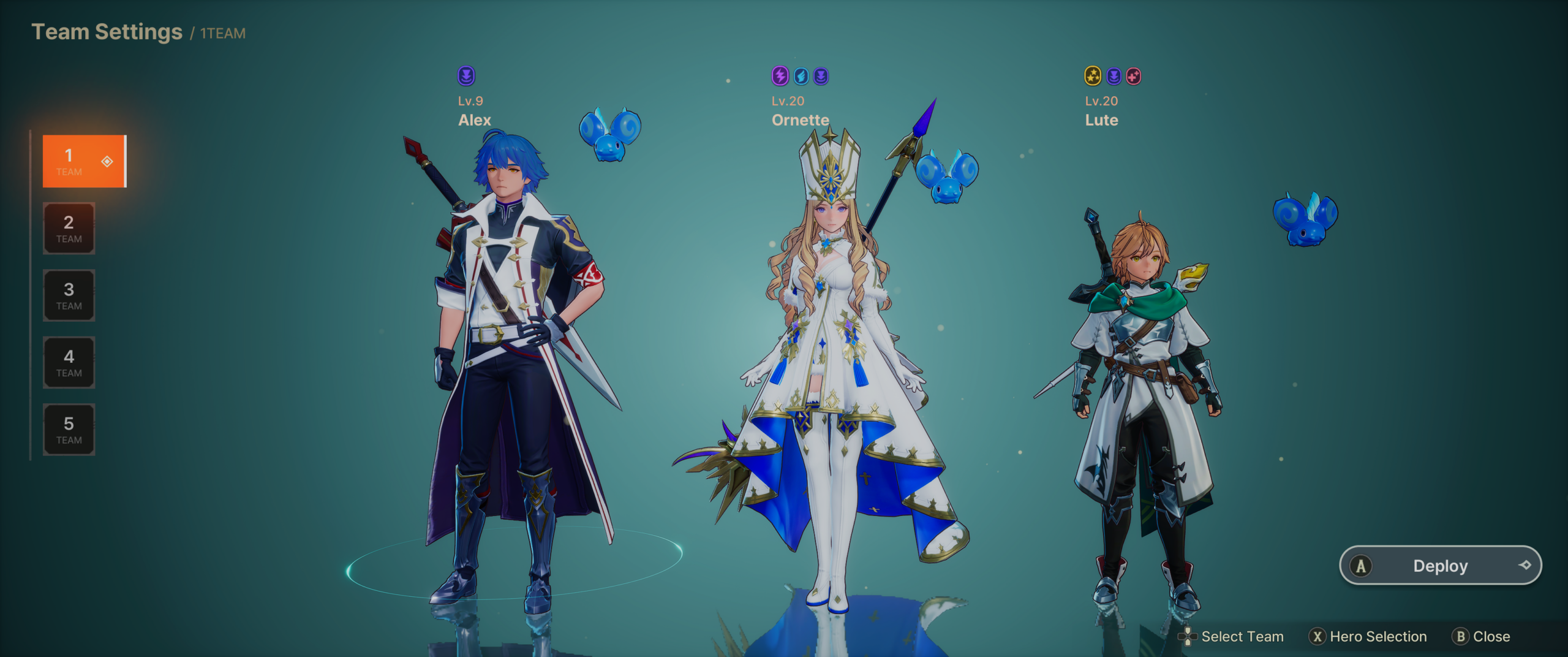
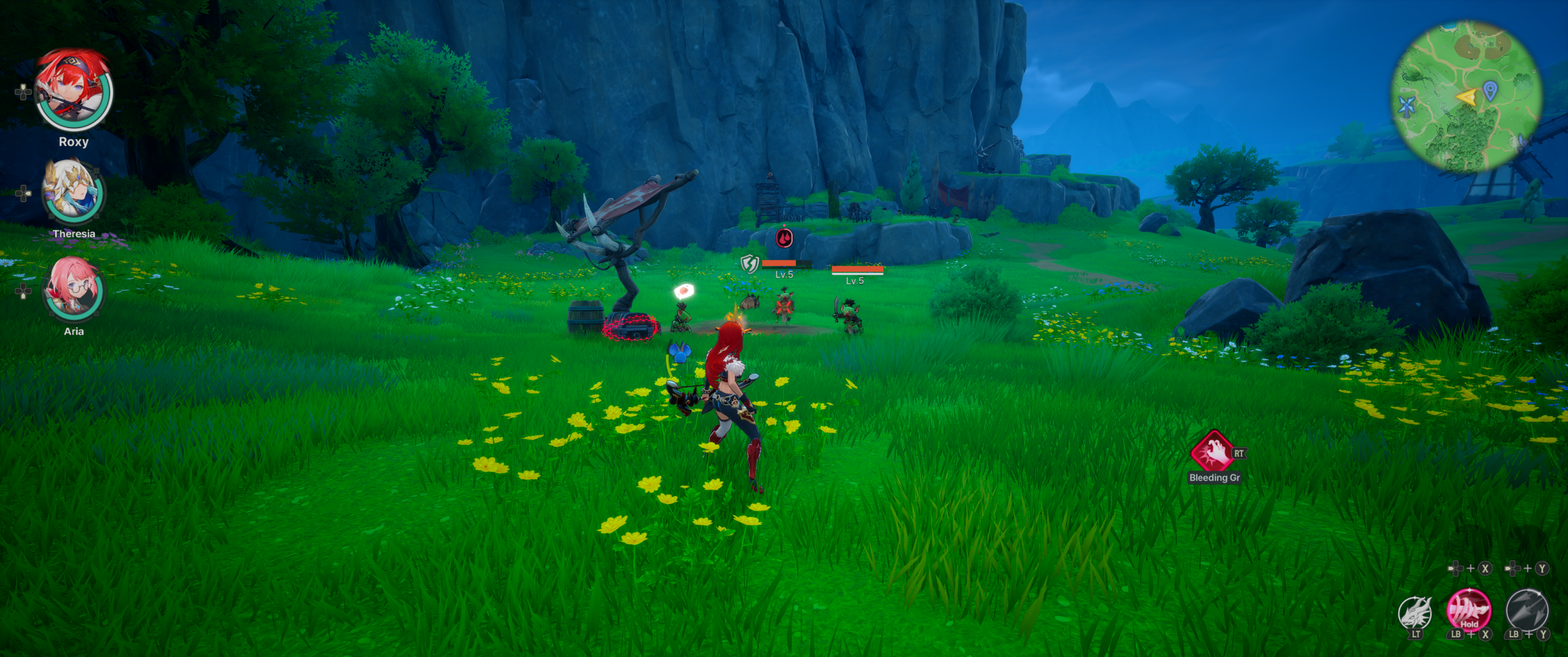
DragonSword: Awakening doesn't aim to reinvent the genre, but it shows it has a very clear personality. The combat system is the true strong point of the production, thanks to fast-paced, spectacular gameplay strongly inspired by the Dragon Nest school. The roster progression, dungeon structure, and focus on character synergies further strengthen this identity. Orbis's open world appears promising and rich in activities, while the anime art direction and excellent technical performance contribute to leaving a positive impression. Some rough edges remain, mainly related to the camera and movement system, but the potential shown by the demo is evident. If the final version manages to refine these aspects and maintain the quality of the combat system throughout the adventure, DragonSword: Awakening could carve out an important niche among the most interesting action RPGs of recent years.