
The gaming & tech site for Ticino and Italian-speaking Switzerland
The gaming & tech site for Ticino and Italian-speaking Switzerland
Morbid Metal

5
✓ What we like
- 🟢 Extremely fluid and spectacular combat system
- 🟢 Three very distinct and complementary characters
- 🟢 Improved progression and new advanced difficulties
What we don't like
- 🔴 Limited and unsurprising procedurality
- 🔴 Uninspired and poorly varied enemies
- 🔴 Biomes and run structures are still not very varied and repetitive
Morbid Metal began as one of those independent projects that seem destined to remain mere viral tech demos, but over time, end up transforming into something much more ambitious. The game is developed by SCREEN JUICE, a small German studio founded by Felix Schade and published by Ubisoft. The project has a development history spanning nearly a decade: the first prototype was created in 2017 as Schade's personal university project, quickly attracting the community's attention thanks to its lightning-fast combat and spectacular real-time transformation mechanics. From a simple experiment developed by a single person, Morbid Metal has grown into a true indie-AA production. In the years that followed, Felix Schade founded Screen Juice, gradually expanding the team and continuing to work on the project until it partnered with Ubisoft, which decided to support its publication. This was an interesting choice for Ubisoft itself, given that Morbid Metal represents a very different title from the French company's typical AAA productions.
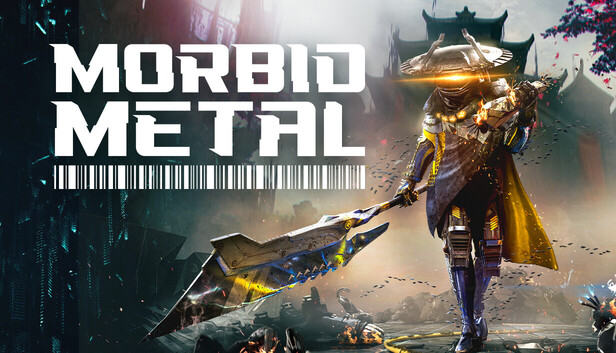
Available in Early Access on PC via Steam from April 8, 2026, Morbid Metal is a hack-and-slash roguelite heavily inspired by titles like Devil May Cry, NieR: Automata, and Hades. The game transports us to a post-apocalyptic future dominated by artificial simulations, where the player controls one of the last surviving artificial intelligences. The core gameplay element is so-called ’shapeshift combat“: during battles, it is possible to instantly switch between different characters, each with different abilities, combos, and fighting styles, creating extremely dynamic and spectacular offensive chains. At the launch of Early Access, the game includes three playable characters, semi-procedural biomes, and fights against mechanical bosses in sci-fi settings. .
Roguelite Challenge
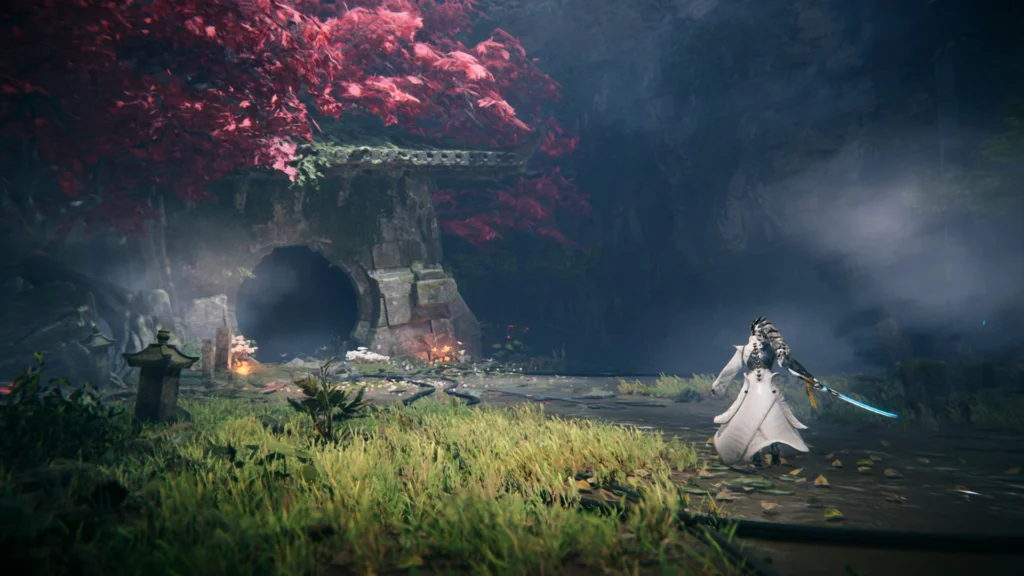
Morbid Metal's structure follows a classic roguelite approach, built around a succession of semi-procedural biomes to traverse while battling hordes of increasingly aggressive enemies until reaching the area's final boss. Each playthrough thus unfolds as a continuous escalation of combat, rewards, and upgrades, pushing the player to constantly improve their build by adapting to the game's challenges. The biomes alternate between closed arenas dedicated to combat and more action-packed sections of platforming and light exploration. In these sections, Morbid Metal attempts to break up the frenetic pace of the encounters by introducing vertical paths, suspended platforms, and areas to traverse using the double jump or grappling hook, useful for quickly attaching to specific points in the environment and maintaining a high level of speed. These sections aren't particularly complex, but they contribute to making progression between fights more dynamic. The core of the experience remains the progression system throughout the playthrough. Each completed wave of enemies rewards the player with a bonus that can be selected from several categories: increased attack, defensive buffs, or effects related to status ailments and special abilities. As the game progresses, these perks can be combined to create increasingly aggressive or specialized builds, encouraging the player to experiment with different approaches based on the characters used.
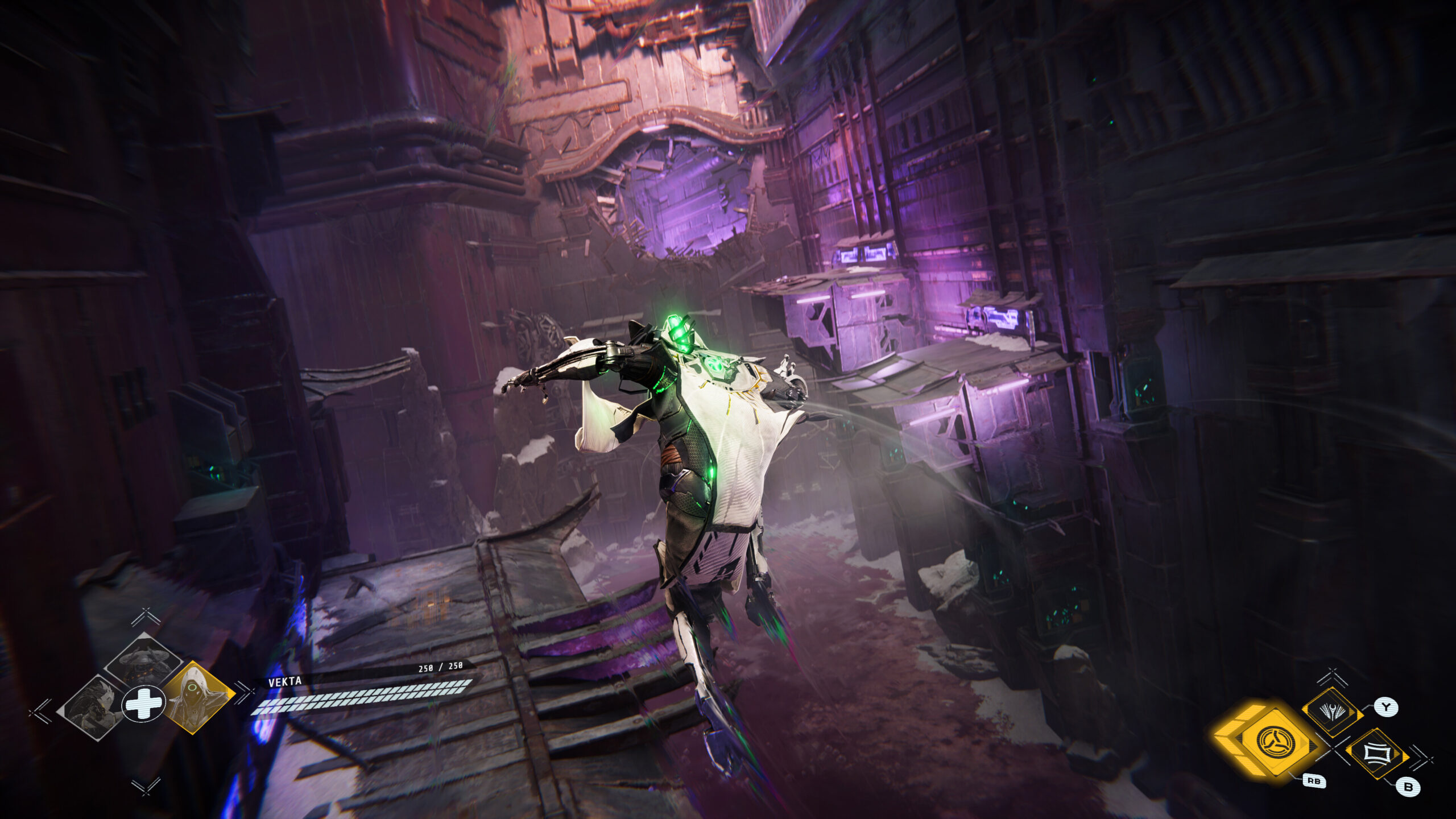
The arena structure focuses heavily on pacing; battles are fast-paced, spectacular, and designed to keep the player constantly on the move. Between dodges, aerial combos, and instant character transformations, Morbid Metal continually strives to reward an offensive and dynamic style, avoiding long downtime between fights. It is precisely in this alternation between mobility, progressive power-ups, and high-speed combat that the game builds its roguelite identity. Morbid Metal's combat system is further enhanced by the presence of three currently available characters, each built around a specific role and a different combat style. The game constantly pushes the player to switch between characters during combos, turning form changes into a true offensive mechanic rather than a simple aesthetic choice.
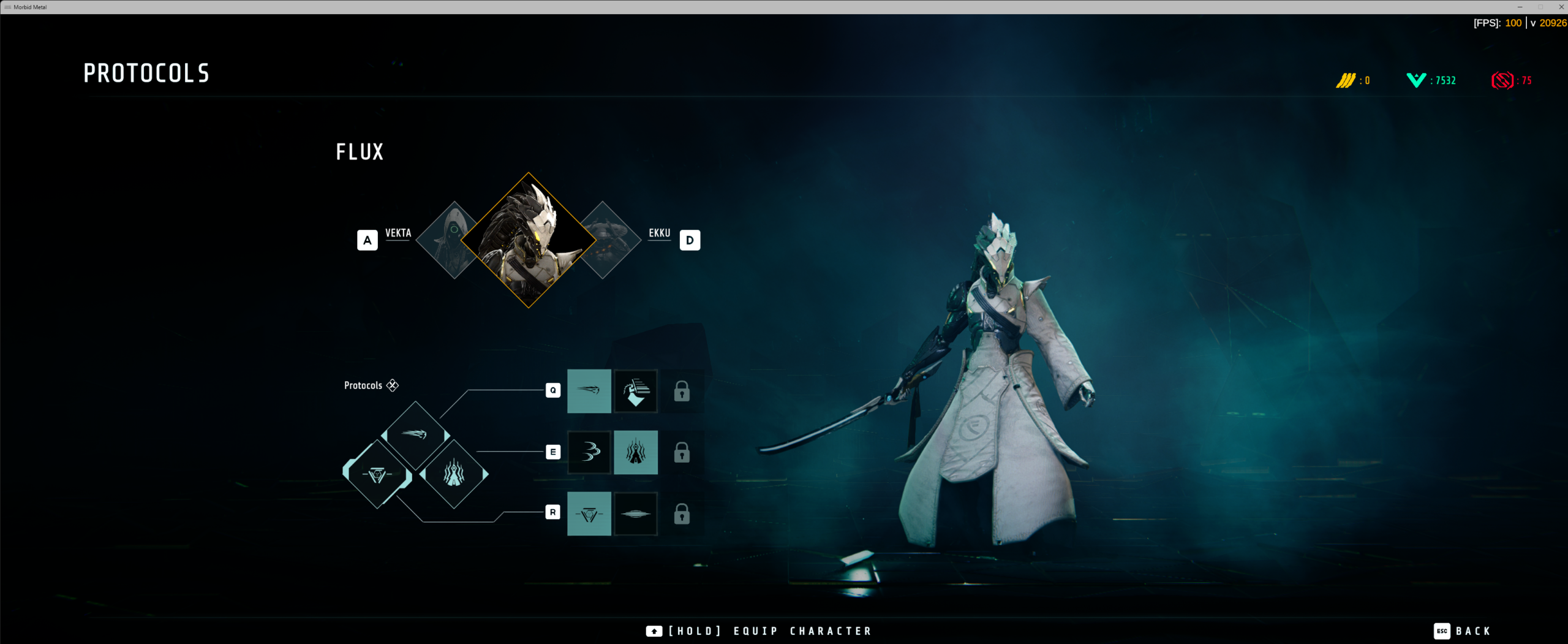
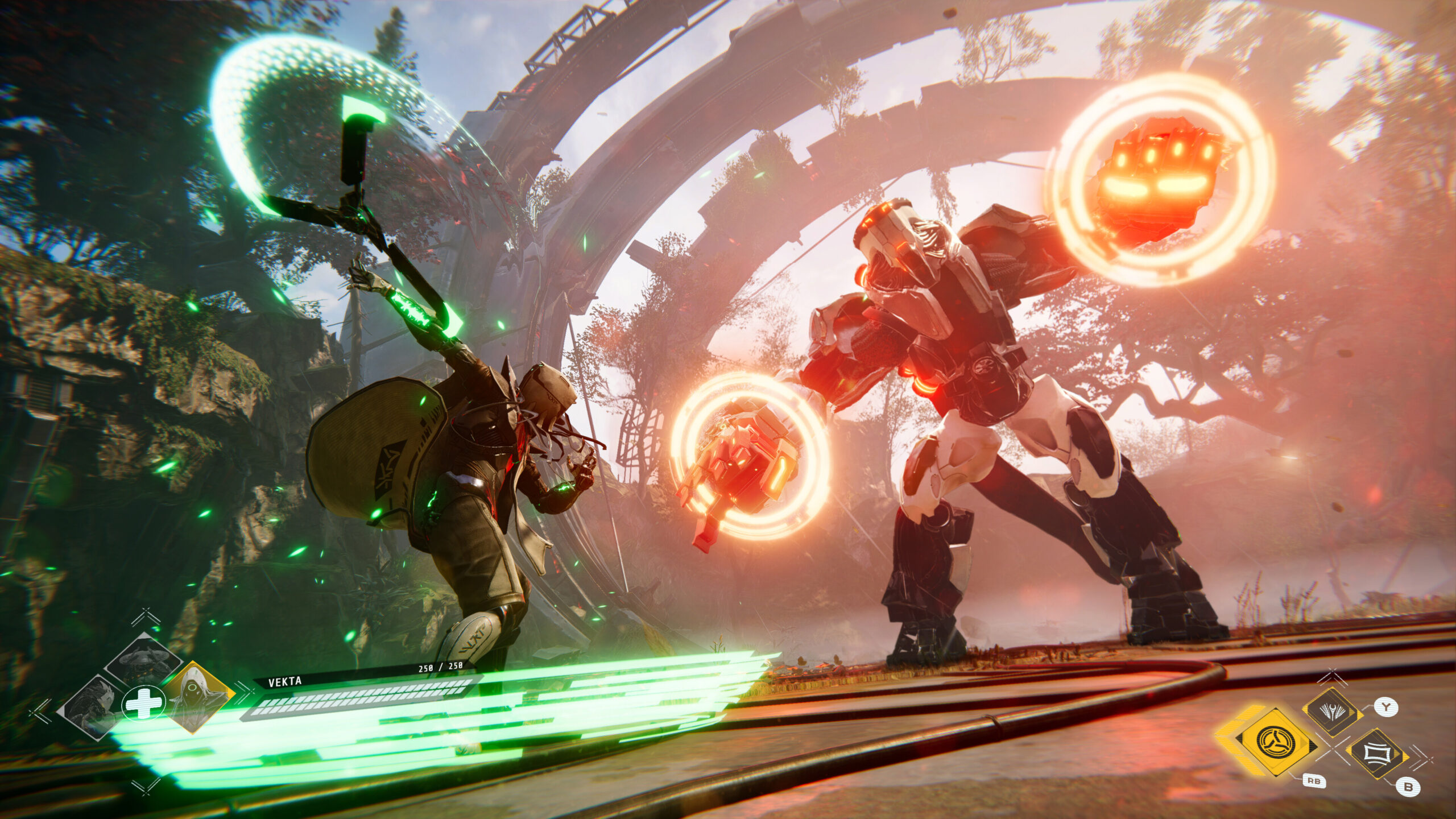
Flux is the fastest character on the roster. His style relies on speed, mobility, and extremely aggressive combos, ideal for maintaining high pressure on enemies and chaining continuous attacks without leaving any room for reaction. He is the character most reminiscent of classic modern action characters, thanks to fluid movements and a very high pace that rewards precision and speed. Ekku, on the other hand, sacrifices some speed for brute force. His attacks are slower but decidedly heavier, capable of inflicting enormous amounts of damage and quickly breaking down enemy defenses. He is particularly effective against tougher opponents or in situations where it is necessary to control the pace of the fight with high-impact strikes. Vekta rounds out the trio by adopting an area-control approach. His kinetic AoE abilities allow him to hit large groups of enemies simultaneously, making him particularly useful during more chaotic hordes. His attacks cover large portions of the arena and help manage the pressure when the number of enemies increases rapidly. The system's true strength, however, emerges when these three styles are combined. Morbid Metal consistently encourages the player to start a combo with Flux, follow it up with Ekku's destructive force, and finish it off with Vekta's area-of-effect abilities, creating a fast-paced and spectacular flow of combat that is the heart of the experience.
Balance and Progression
Morbid Metal's progression and balancing system is based on a hybrid structure of permanent enhancements and temporary upgrades tied to individual runs, with the aim of sustaining the roguelike loop and encouraging build experimentation. The central hub features the Nexus system, which represents the player's permanent enhancements. Through skill points earned during matches, players can unlock stable improvements that progressively impact stats, combat efficiency, and survivability. This system ensures constant growth even between runs, especially in the early stages of the game. Alongside this progression are Protocols and Corpora, which represent a separate system from the Nexuses. They are unlocked using skill points earned exclusively from bosses and, once acquired, become available during runs as modifiers and abilities that can be activated in-game. This clearly distinguishes them from the Nexuses, which instead manage the permanent progression of the character and their base stats. Once available, they are randomly generated as temporary rewards, contributing to the variety of builds. During runs, players can also obtain exclusive upgrades valid only for a single match, including enhanced versions of standard perks. These are complemented by tools such as shields and drones, which offer offensive and defensive support in the most heated phases.
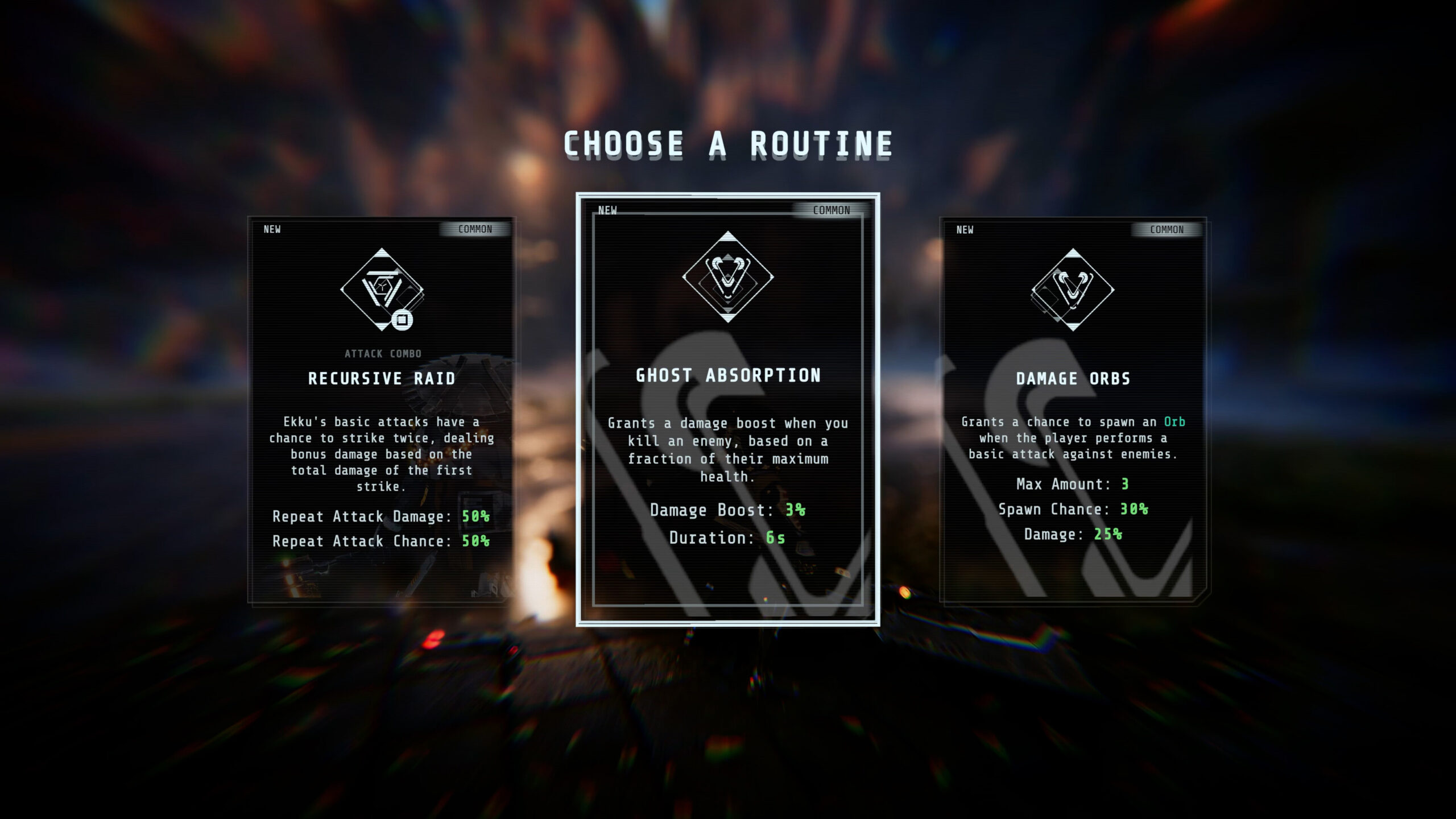
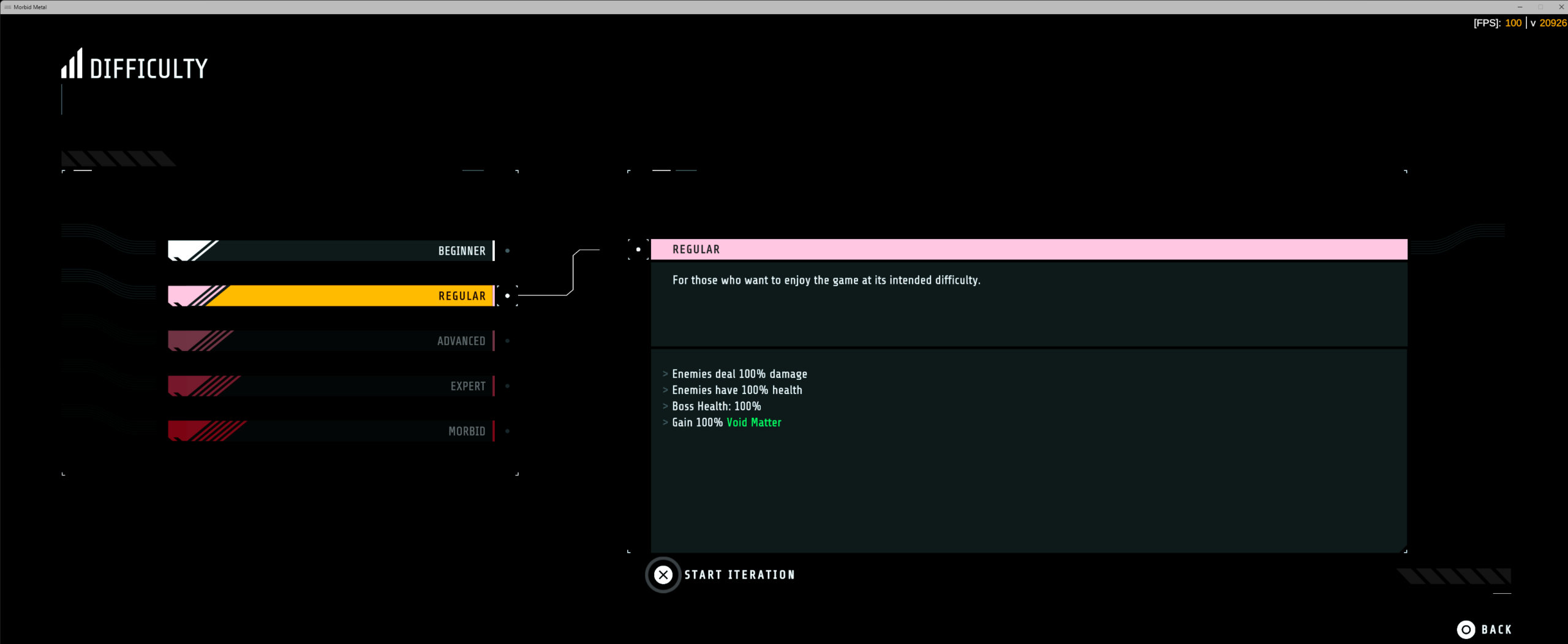
The upgrade selection system requires some initial learning: in the first few hours, it becomes crucial to understand which bonuses to prioritize based on your playstyle. In general, boosts related to attack, critical damage, cooldown reduction, and active skill enhancements are particularly effective, elements that integrate well with the fast-paced, combo-based nature of the combat system. The difficulty balance follows a fairly linear progression curve. Enemies level up during the run, and the transition to the second biome represents the first real difficulty spike, with tougher, more damaging enemies and the introduction of units equipped with energy shields. This forces the player to better manage priorities, skill timing, and combo management. Recent updates have also introduced an advanced difficulty system that unlocks after defeating the second biome's boss. Once the run is completed, the player can revisit the experience at higher challenge levels, up to the so-called "Soft" difficulty, the highest of the five available. This system further increases enemy aggression, resistance, and danger, offering a more challenging experience to experienced players and significantly improving the title's replayability. Overall, the progression system manages to sustain the gameplay loop, although its actual depth still depends heavily on future content variety and the evolution of balance during Early Access.
A Future in Early Access
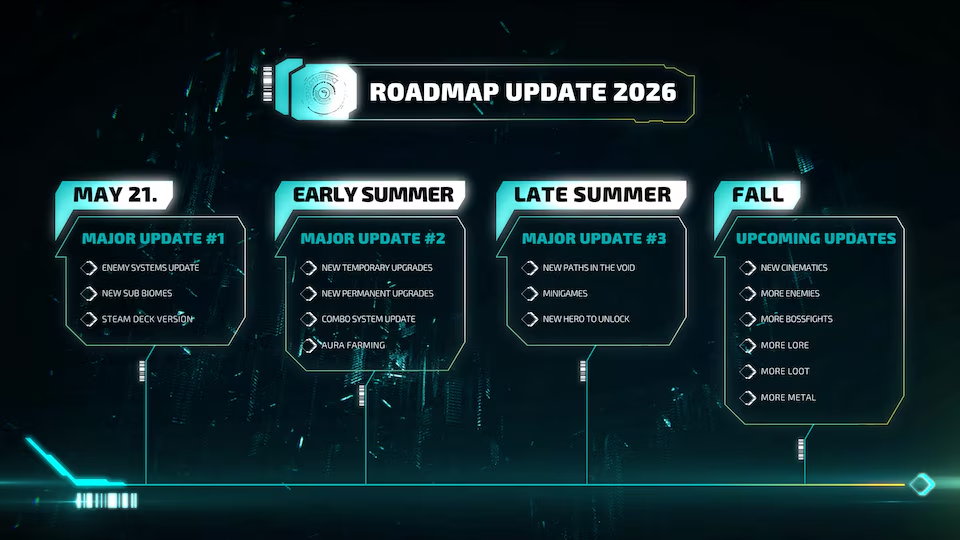
Despite the excellent combat foundation, Morbid Metal still suffers from several structural issues, especially in the roguelike component, which currently appears less refined than the combat system. After the first few hours, a certain repetitiveness emerges in the construction of each run, primarily due to the limited biome variety and procedurality. With the latest updates, however, the structure of each run has been significantly improved. The two main biomes now include subbiomes that allow the player to choose different paths throughout the game, increasing the variety of runs and offering a greater sense of progression and exploration. This structure makes the experience less linear than the first Early Access versions and adds a modicum of decision-making when choosing which path to take. Despite this, the lack of true mini-bosses or memorable mid-game encounters capable of breaking up the flow between sections remains noticeable. Runs are now more varied than in the past, but would still benefit from more frequent special events or unique encounters that further incentivize exploration of the various routes. The progression system during exploration could probably use more depth, too. The perks gained after defeating enemy hordes are often unsurprising and rarely radically change the approach to combat. There are also some special upgrades called Devil's Bargain, bonuses that grant very strong advantages in exchange for permanent penalties or negative effects on the run.
The idea works and adds an interesting risk/reward component, but the system is still underutilized and could have offered more extreme or creative combinations to increase build variety. Enemy design is also one of the least convincing aspects of the experience. While the playable characters are extremely distinctive, both aesthetically and in their animations, most enemies appear rather generic and unmemorable. The variety of creatures encountered is limited, and many encounters quickly become similar, especially in longer runs. Further impacting progression is the almost total lack of true mid-bosses between sections. The structure tends to offer a continuous sequence of standard hordes up to the biome's final boss, without any significant intermediate difficulty spikes or unique encounters capable of breaking up the pace. The only variations come from a few special hordes with specific completion conditions, which represent a good attempt to diversify the gameplay but still aren't enough to inject greater unpredictability into the game's overall structure.
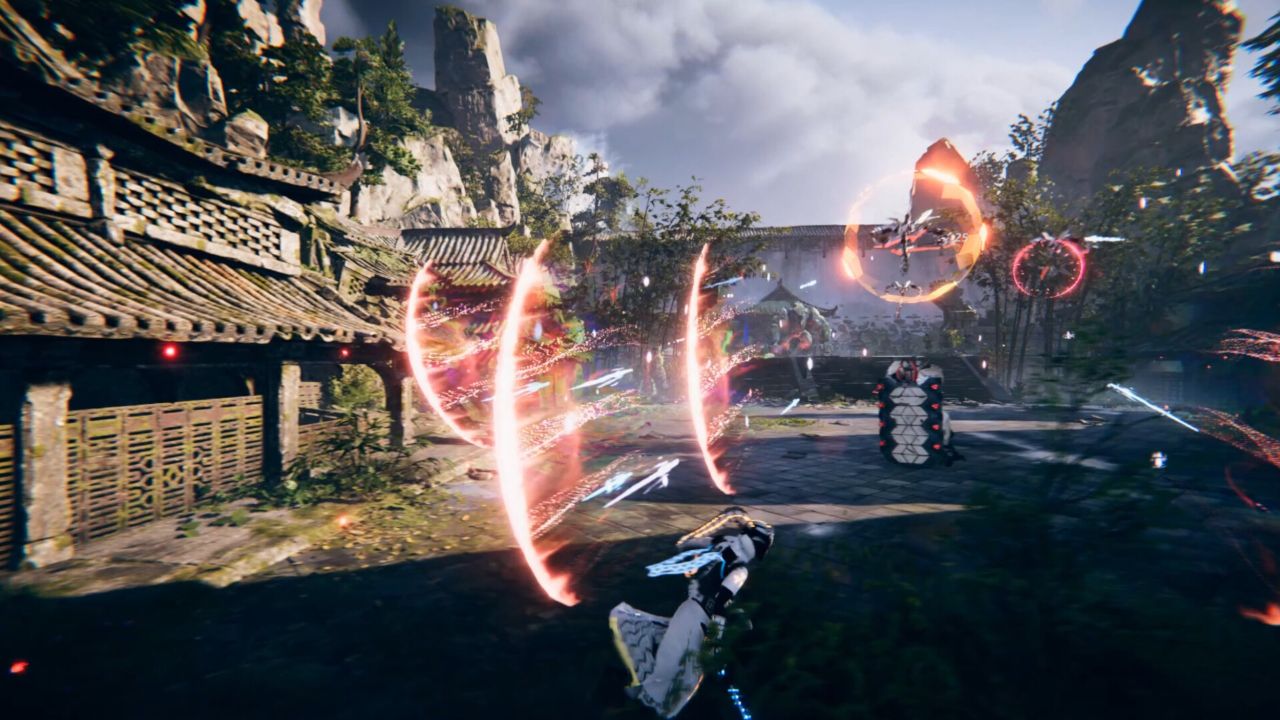
Morbid Metal is one of those cases where the quality of the combat system clearly outshines the rest of the experience. SCREEN JUICE's game builds a fast-paced, technical, and spectacular combat system that immediately stands out in the modern action genre thanks to its shapeshift mechanic and the synergy between the three playable characters. However, being an Early Access title, there's still a disconnect between the quality of the combat and the roguelite structure that should support it. Recent updates have significantly improved run variety thanks to the introduction of subbiomes and new advanced difficulties, making the experience more interesting and layered than the initial releases. However, some structural limitations remain, especially in terms of enemy variety and the lack of truly memorable mini-bosses or intermediate events capable of giving runs more personality. The progression system, split between Nexus and Protocols, works well as a foundation and already shows a decent level of layering, but it requires further expansions to truly realize its long-term potential.
Morbid Metal is an Early Access title that clearly shows enormous potential: the combat system is already excellent, while everything else seems still under construction. If the team manages to bridge the gap between gameplay and roguelike structure, the title could become one of the most interesting action games on the indie/AA scene.
(Our review is based on the current build of Morbid Metal with the latest major updates at the time of publishing.)
