The gaming & tech site for Ticino and Italian-speaking Switzerland
The gaming & tech site for Ticino and Italian-speaking Switzerland
Google Fitbit Air

✓ What we like
- Excellent autonomy
- Very comfortable fabric strap
- 🟢 Calorie tracking via photo
- 🟢 Morning briefs
What we don't like
- 🔴 Lack of built-in GPS
- Fabric dries slowly
- 🔴 Premium subscription
- 🔴 Proprietary charger
The wearables market is going through a bizarre transition. On one hand, manufacturers are trying every strategy to capture our attention; on the other, they're betting on extreme minimalism designed to pull us away from screens.

In this landscape dominated by perpetually lit notifications that buzz on our wrists with the anxiety of a Credit Suisse manager just before bad news, Google has decided to throw a lifeline to our mental health with Fitbit Air. Officially announced this month, this little gadget enters the market with a philosophy we'd call "stealth device," a true technological counter-trend born to combat display overdose.
The underlying idea is not to completely replace your premium smartwatch or your trusty timepiece for special occasions, but rather to position itself as an invisible monitor that collects data in the background, leaving the smartphone to do the heavy lifting. This is an intriguing bet for the Mountain View giant, which aims to capture all those users tired of having yet another bright display perpetually attached to them (and who perhaps are simply seeking digital tranquility) but who absolutely do not want to give up tracking their vital signs at a competitive price.
Under the hood
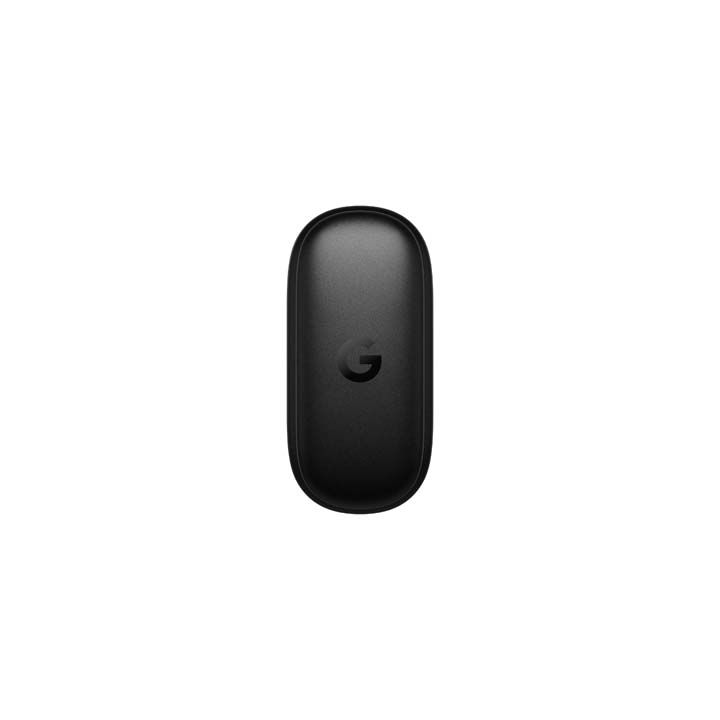
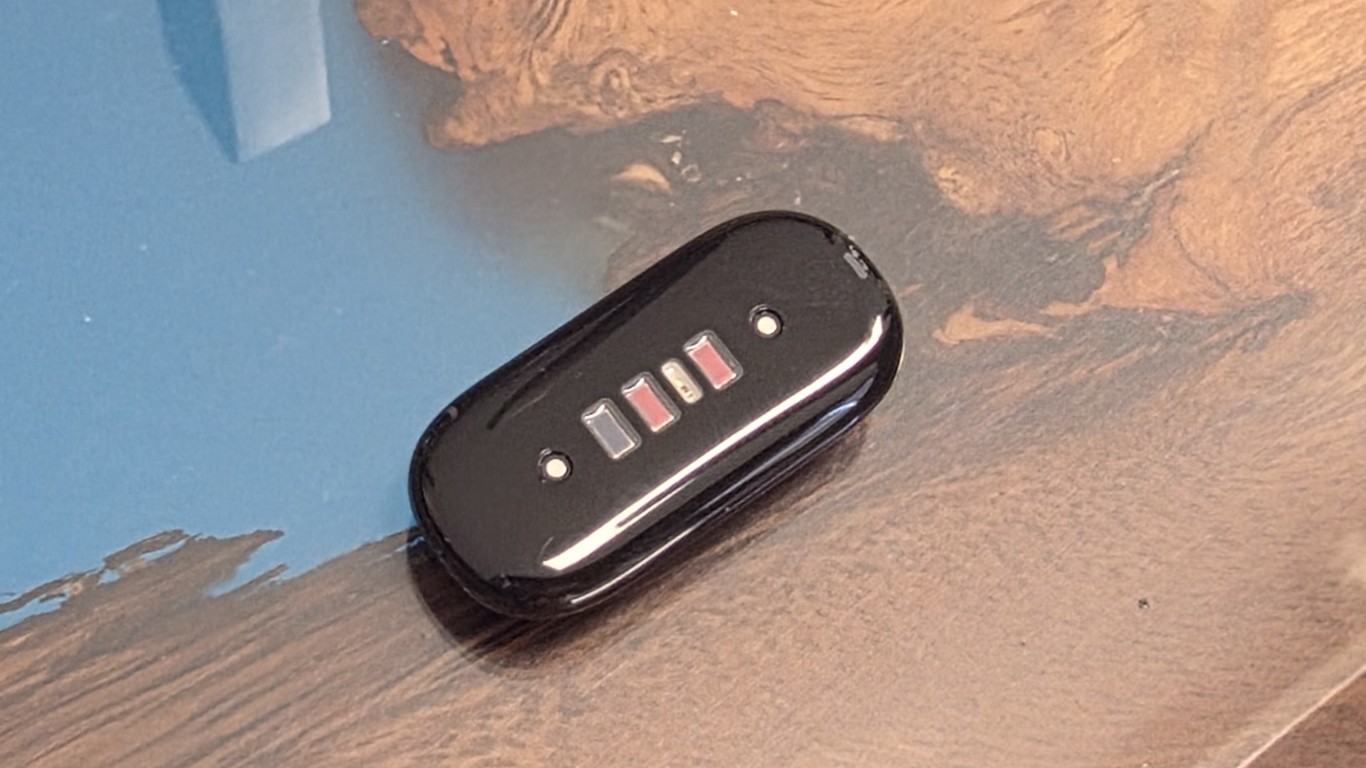
Under the hood of the Fitbit Air, you won't find miraculous circuits or never-before-seen components, but rather skilled engineering of tried-and-tested sensors enclosed in a maximally reduced shell that builds upon the excellent hardware base of the brand's traditional trackers. The pulsating heart of the device is a small plastic core made from recycled polycarbonate and special plastics, weighing just 5.2 grams on its own. Inside this tiny shell, we find a three-axis accelerometer coupled with a gyroscope, a linear vibration motor for silent alarms, a skin temperature sensor, and the classic optical array for heart rate, enhanced with red and infrared LEDs for blood oxygen saturation monitoring.
It completely lacks a built-in GPS chip (a necessary choice to maintain its featherweight and not drain the power cell), which means outdoor route tracking will depend entirely on your smartphone's shared location. Connectivity relies on a Bluetooth module that stores movement data for a week, while water resistance is guaranteed up to 50 meters deep, making it perfect for surviving intense swimming sessions or trivial bathtub accidents.
And what does he/she/it do?
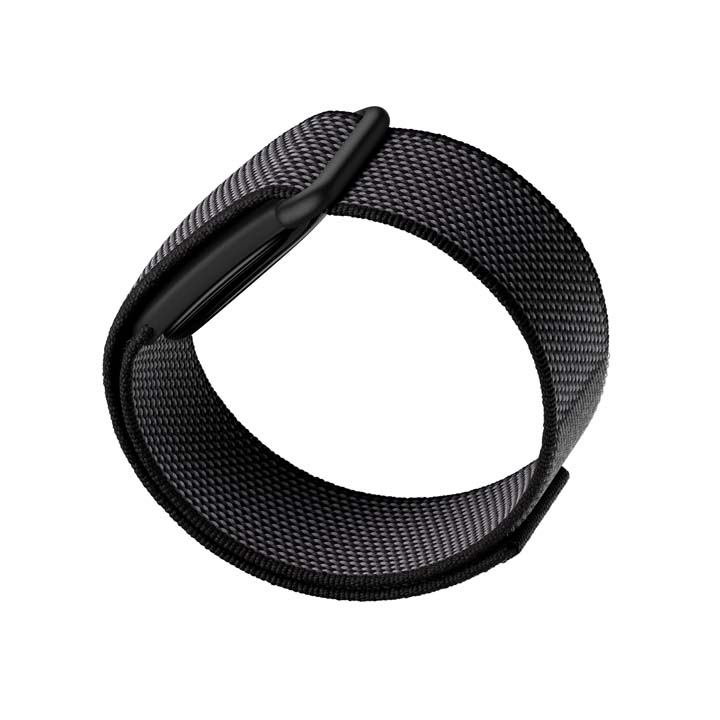
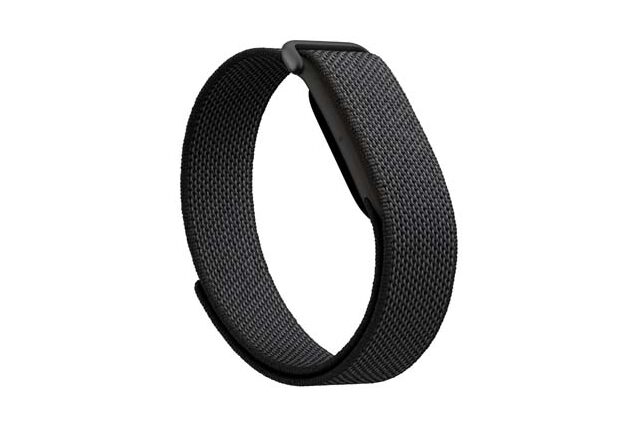
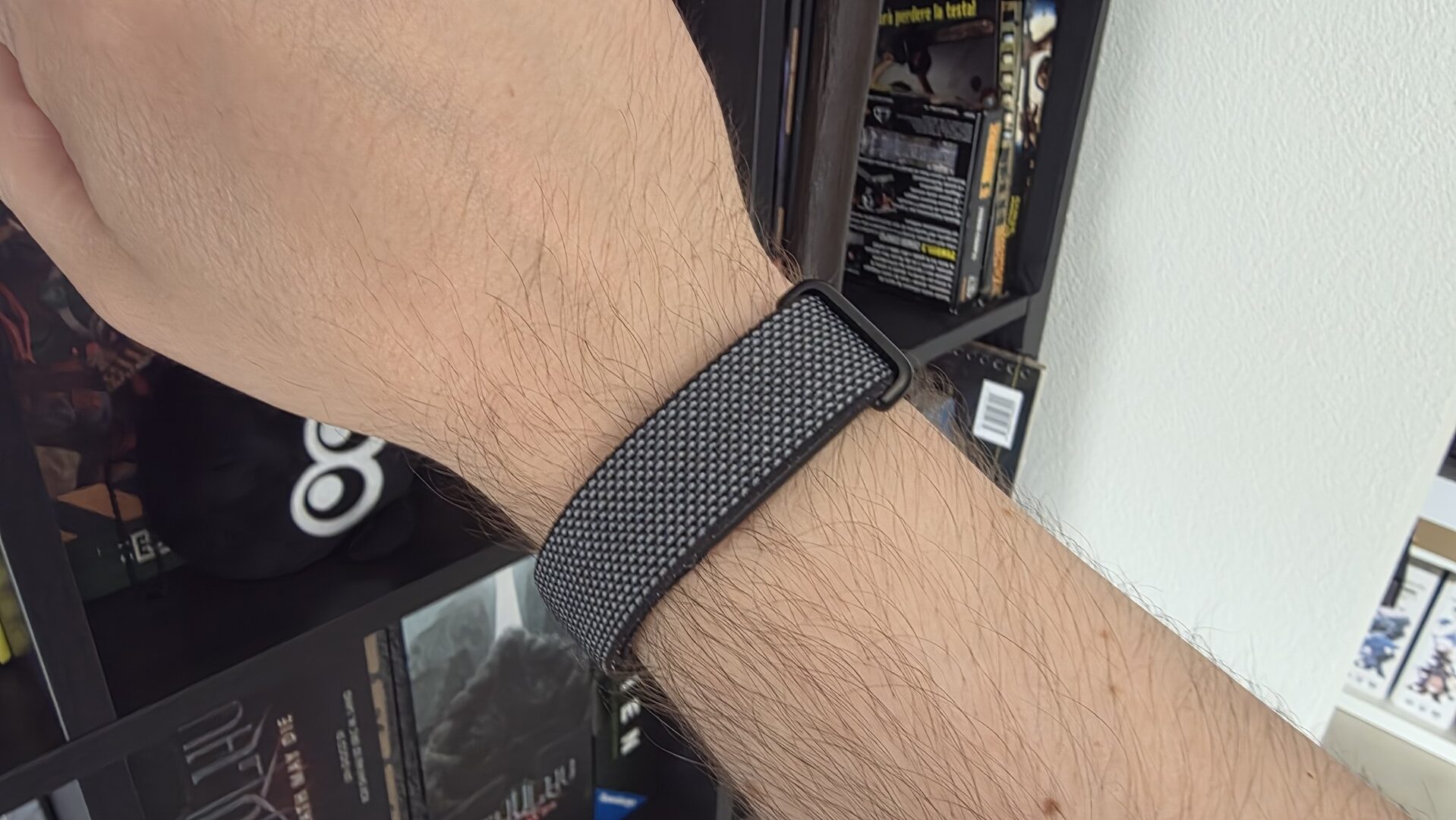
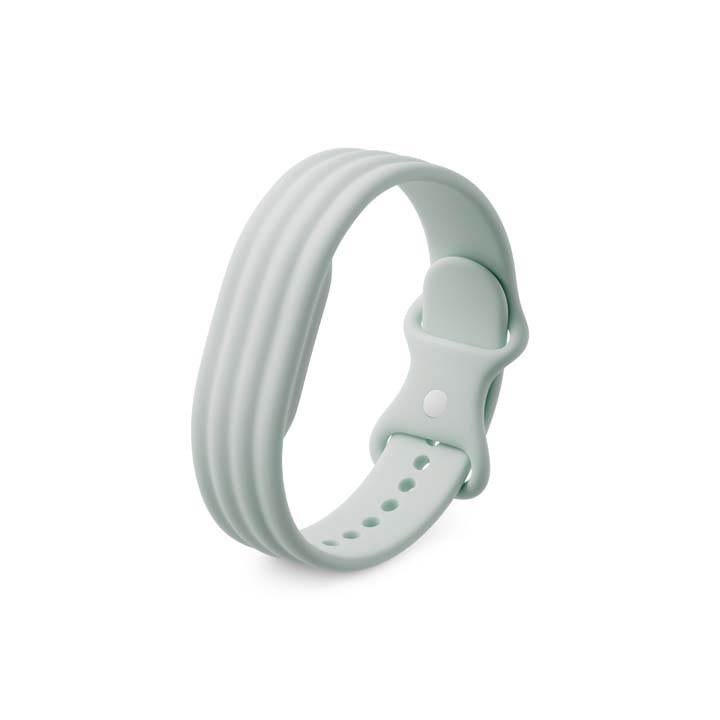
The aesthetic of the Fitbit Air is an exaltation of visual anonymity, a choice we wholeheartedly approve of. Once worn with the included “Performance” fabric band in the basic package, the ergonomics are simply spectacular, to the point that you forget it's there within ten minutes. We also found it very comfortable even after prolonged use, perfect for keeping on your wrist twenty-four hours a day without any irritation. The strap is soft and doesn't pinch (although the closure above the wrist requires minor motor coordination for the first few days), but be careful if you decide to wear it in the shower or wash it, because the fabric retains moisture worse than a sponge and you'll find your sleeve wet for hours.
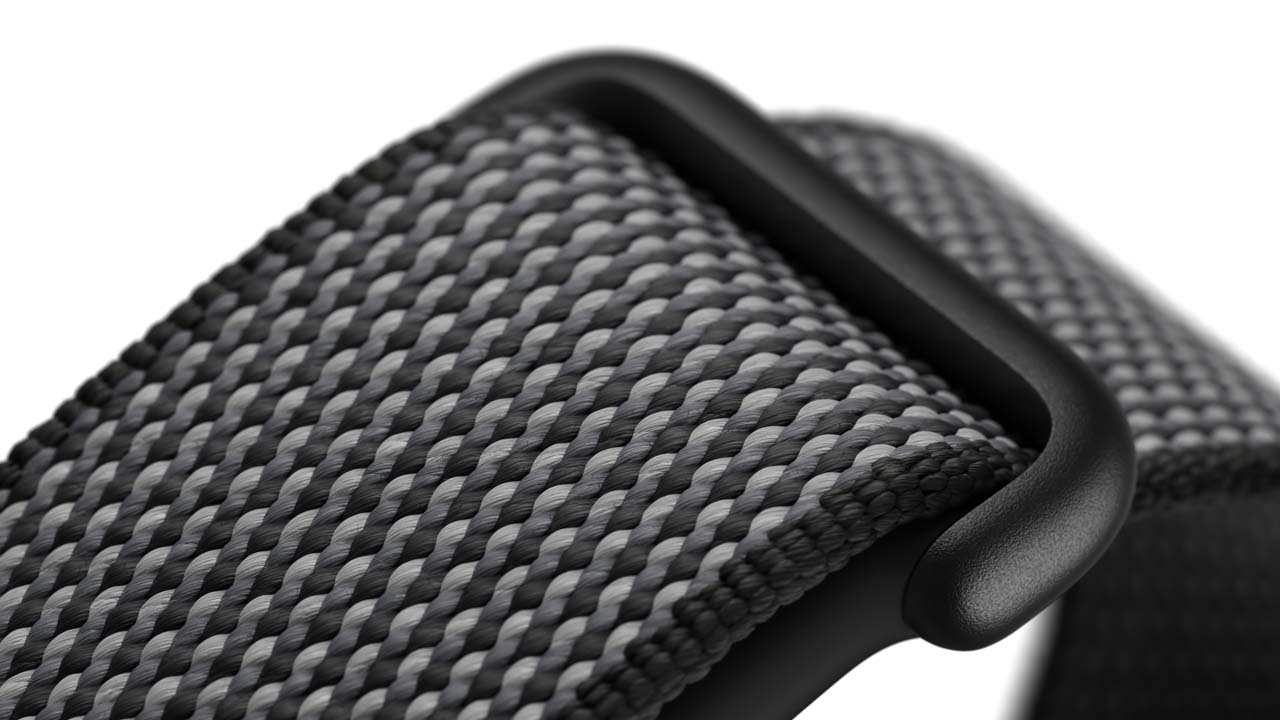
To interact with the hardware, the only way is a firm double-tap on the surface, which turns on a tiny side LED to check the battery status. The real Achilles' heel of the physical equipment is the proprietary magnetic charger, yet another bizarre cable to add to the drawer of forgotten cables that breaks the unification of the universal standard. However, we understand that for such a tiny device, integrating a standard port was engineered as impossible. It's a pity, then, that the overall experience is closely tied to a premium subscription of 10 CHF per month or 100 CHF per year, a considerable fixed fee to unlock the full range of application services.
Field test
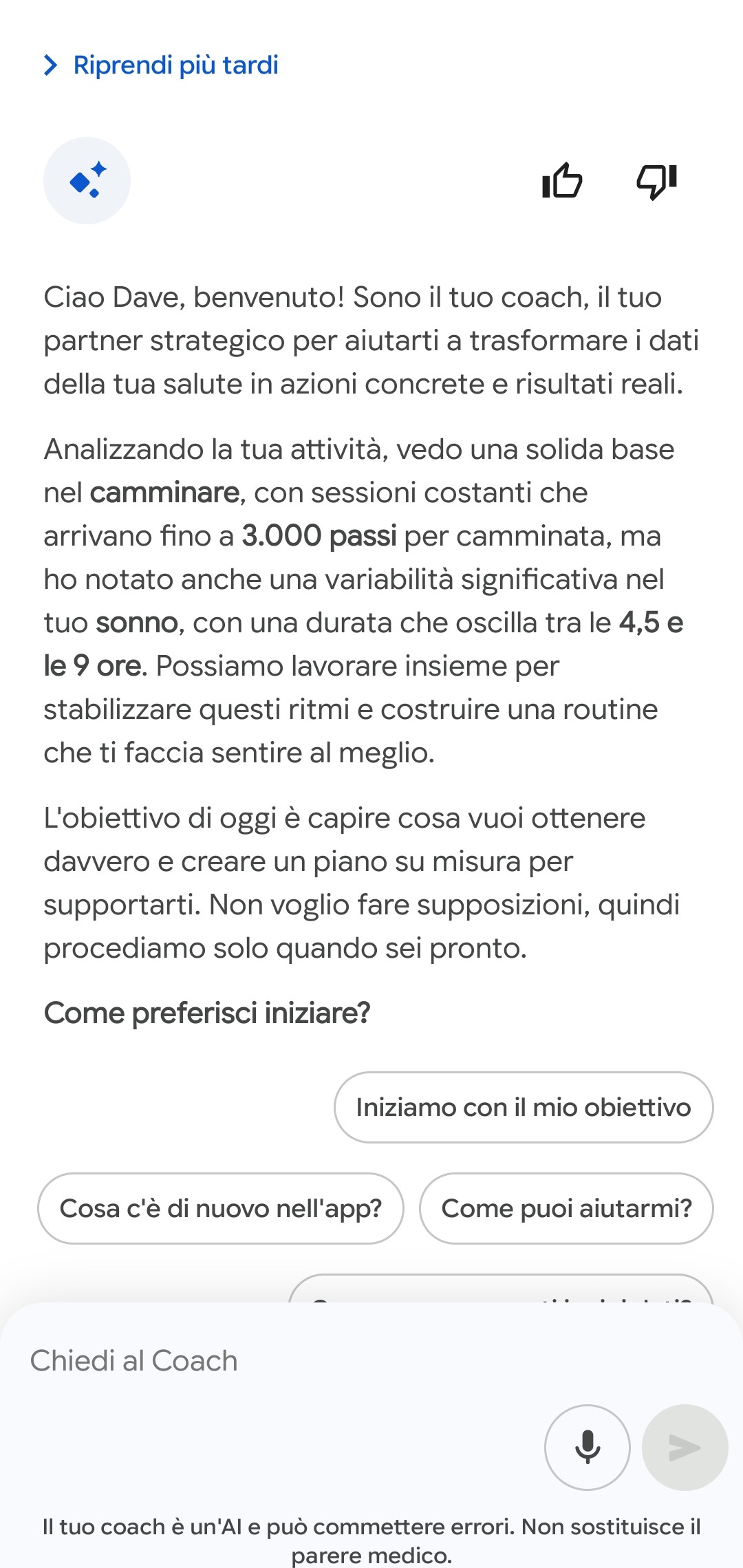
The real innovation of this Fitbit Air lies squarely in its software, to the point that the hardware becomes a mere companion to all the artificial intelligence integrated into the new Health app, which replaces the old Google and Fitbit applications. The real-world experience of nutritional monitoring with the Gemini-based assistant is the aspect that surprised me the most. You simply need to take a photo of what you're eating, and the application automatically searches for the product packaging or estimates the total calorie count of the dish. It won't be precise to the single calorie (no software can accurately estimate the exact amount of oil poured on pasta by eye!), but it's a gigantic help compared to the deadly boredom of having to weigh every ingredient and manually search for it in the endless lists of other applications like Samsung Health, which did its job but honestly required more effort from us.
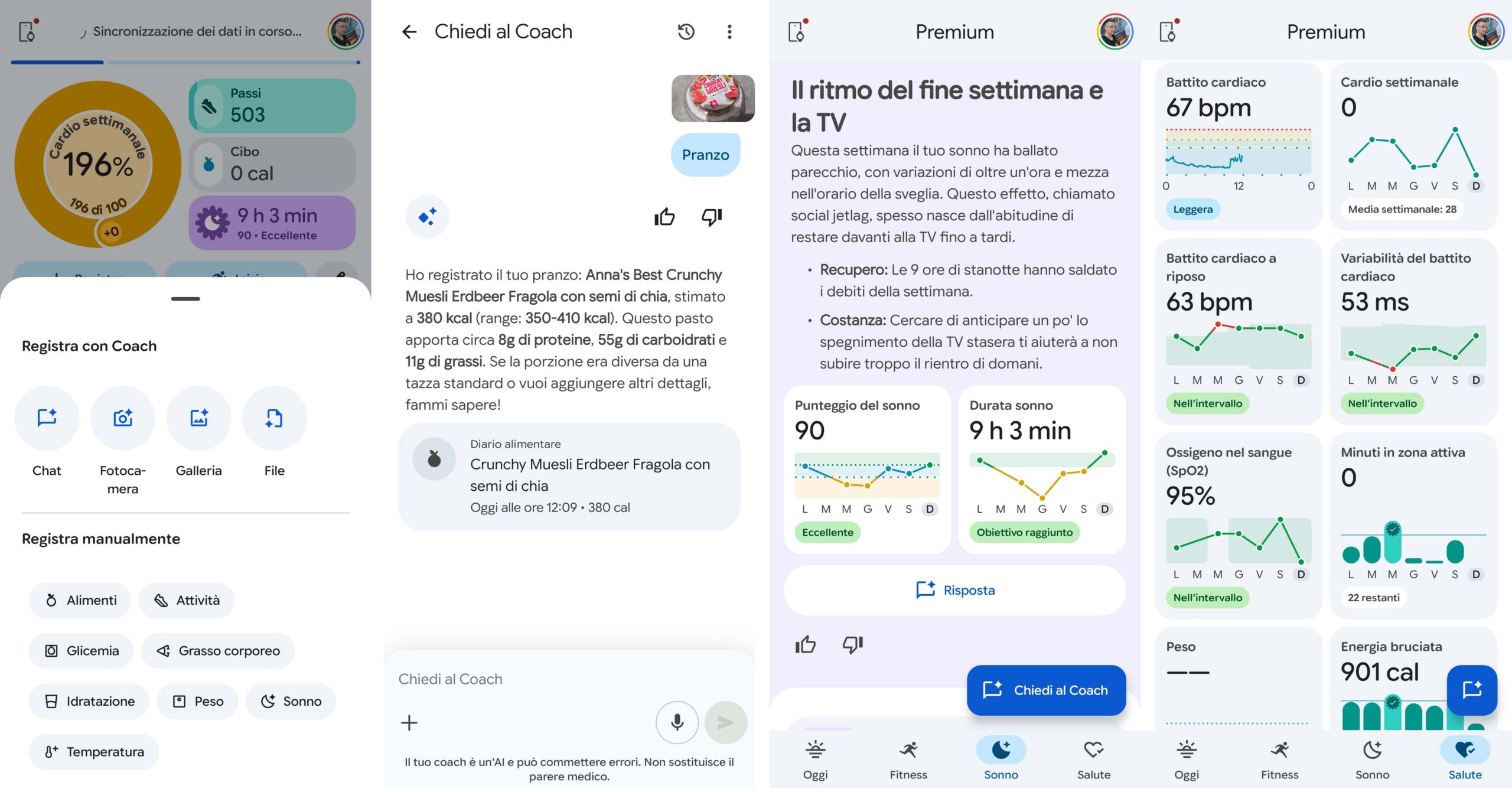
On the sports tracking front for daily activities like walks or bike rides, Air performs decidedly well, accurately recording heart rate variations and steps. The app collects this information to update the weekly cardio load, but if you go for a bike ride, remember to start the activity from your phone, or the automatic detection algorithm might take a few too many minutes to realize you're on the bike. Another fantastic feature is the personalized morning brief; as soon as you wake up, the app offers information, summarizing the local weather forecast and advising how to structure your daily movement based on your nightly data. The artificial intelligence doesn't shy away from a rather sharp touch of irony; over the weekend, the assistant repeatedly called me a “night owl” after the sensors registered a couple of bedtimes around 2 AM, demonstrating truly intriguing continuity and contextual memory. The battery keeps its pre-launch promises and lasts a really long time, covering a full week without a single hesitation.
Conclusion
The Fitbit Air fits into a very specific market segment: devices designed to collect vital metrics in the background without claiming to manage your entire daily life via a screen. Its incredible lightweight construction combined with excellent battery life makes it the undisputed king of nighttime tracking, solving the problem of traditional smartwatches and smart rings that perpetually end up on the charging plate just before bedtime. Of course, the obligation to pay for the premium subscription at 10 CHF per month to enjoy all the AI-generated advice is an element that absolutely needs to be considered before purchasing, but its impact on daily life is undeniable. The lack of independent functions like contactless payments or standalone satellite navigation might put off running purists, but the aggressive price of 99 CHF and the incredible ease of use make it an almost mandatory purchase for health data enthusiasts. If you're looking for a discreet assistant that can interpret your health through a top-notch AI-driven software suite without turning you into yet another slave to wrist notifications, Google's latest creation absolutely deserves a place in your daily setup.