The gaming & tech site for Ticino and Italian-speaking Switzerland
The gaming & tech site for Ticino and Italian-speaking Switzerland
Sony Reon Pocket Pro Plus

✓ What we like
- 🟢 Much more stable collar
- 🟢 Fully silent operation
- Excellent localized cold
- 🟢 Winter heating mode
What we don't like
- 🔴 Obsolete application interface
- Charging times too long
- 🔴 Limited general body impact
- 🔴 High MSRP
If there's one thing Sony loves to do, besides producing excellent consoles and camera sensors that practically dominate the market, it's to launch gadgets on the market that seem to have come straight out of a slightly out-of-control Japanese research and development lab. A few years ago, we saw the first timid attempts related to a line of wearable personal air conditioners, originally confined to the Japanese market, but today the situation is becoming serious with the official arrival of the new Sony Reon Pocket Pro Plus in our latitudes, the second model to arrive on the Swiss market.We reviewed the Pocket Pro last year.).

This isn't your typical portable fan that blows lukewarm air in your face while you're trying not to melt on your desk, but a genuine travel thermal ecosystem that promises to cool (or heat, depending on the season) your skin directly. A concept that might seem like a typical superfluous American gadget, or rather, a Japanese one, to many, but which actually hides a decidedly fascinating engineering approach.
Technically speaking
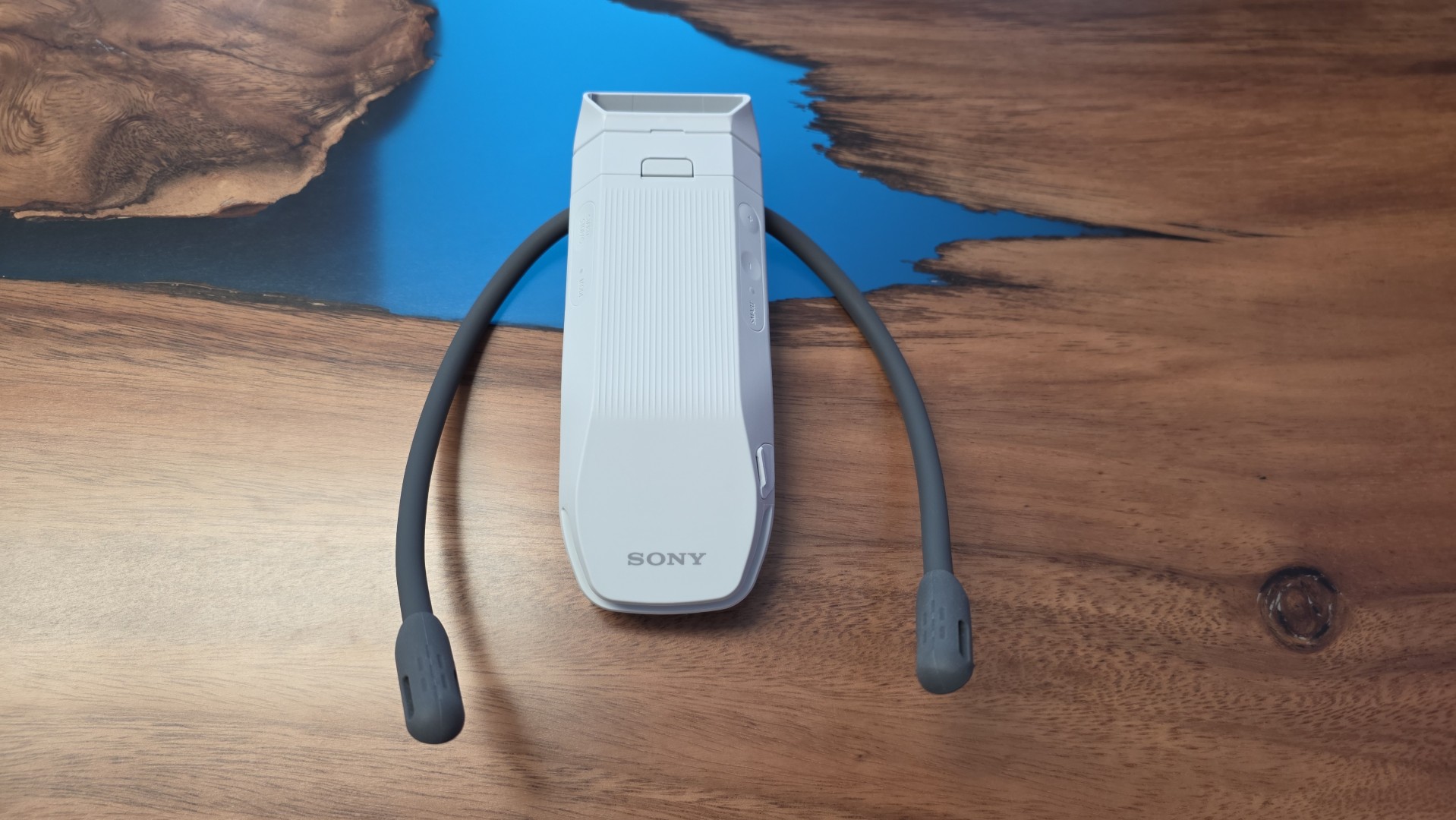
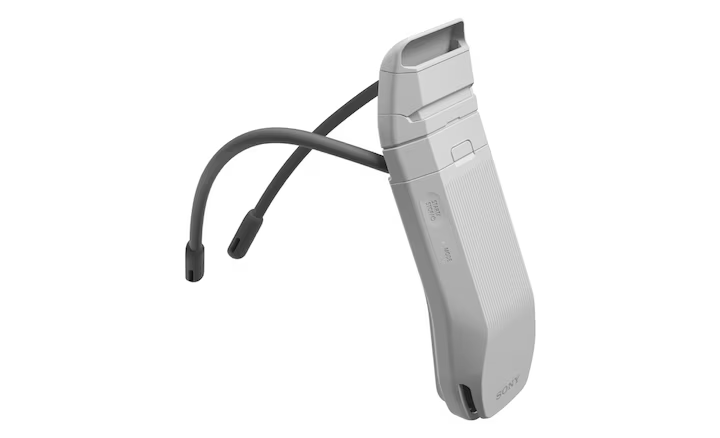
From a purely hardware perspective, the Reon Pocket Pro Plus is a powerhouse of thermoelectric technology packed into a rather compact size. The main body measures 125 x 60 x 175 mm when the standard ventilation nozzle is attached, and it weighs 194 grams (increasing to approximately 259 grams with the support collar). The heart of the system is an optimized Peltier module that works in close conjunction with a stainless steel backplate, which rests directly against your skin to transmit cold or heat.
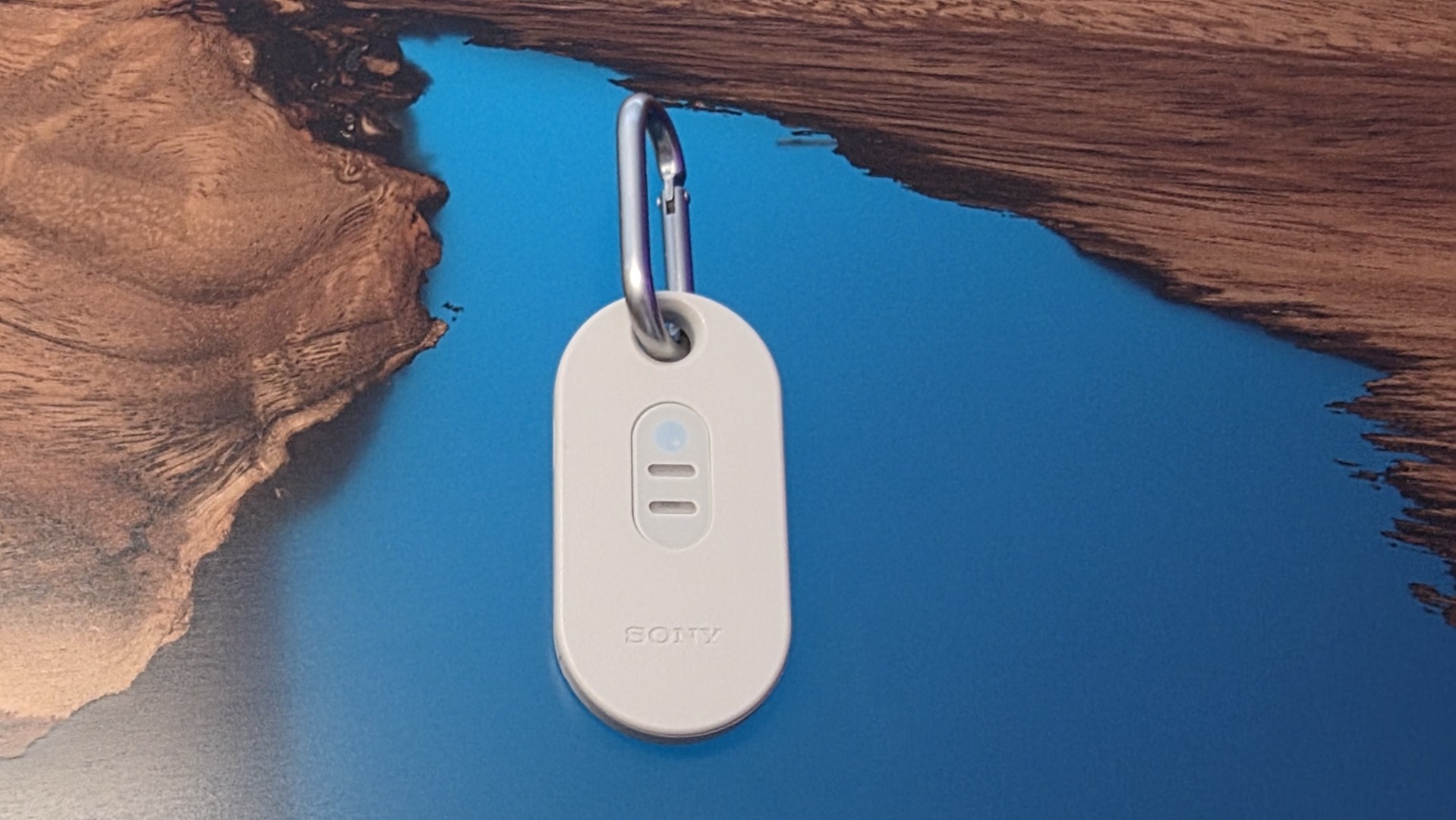
The device is designed to operate within an ambient temperature range of 5°C to 40°C. In terms of connectivity, it features a Bluetooth 5.0 module that requires at least iOS 16 or Android 9 to connect with the official app. The internal battery offers good battery life, but charging times via the built-in USB Type-C port are incredibly slow; in fact, it takes a full 120 minutes to reach 80% and about 200 minutes for a full 100% charge (you’ll practically have time to finish a challenging session of a role-playing game before the green LED lights up). The package also includes the Reon Tag 2, a small external sensor that constantly monitors humidity, temperature, and even sunlight exposure, transmitting data in real-time to the main unit.
Design
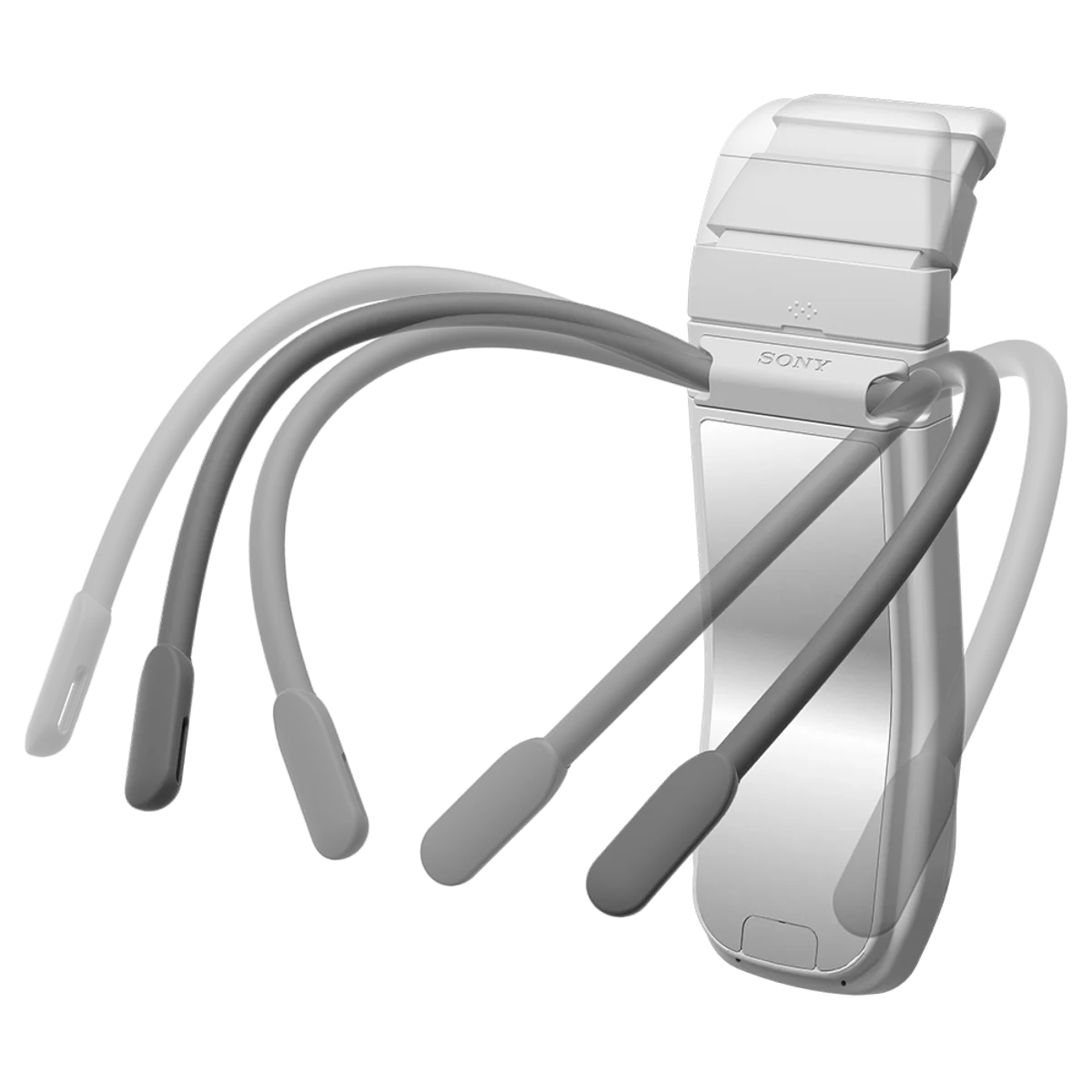
The aesthetic of the Reon Pocket Pro Plus is decidedly minimalist, with a slightly curved rectangular shape that perfectly follows the line of the back. The device is worn by positioning it at the nape of the neck using a special flexible headband, and Sony's engineers have done an excellent job compared to last year's model, widening the neckband and introducing a much more flexible hinge. We noticed that the collar now fits much better around the neck and doesn't constantly lose contact with the skin while walking, a defect that was quite annoying in the old model. Of course, if you tighten the flexible arms too much to ensure it doesn't move, you might feel a slight discomfort around the neck, but the overall ergonomics are approved, and its placement under clothing is quite discreet.
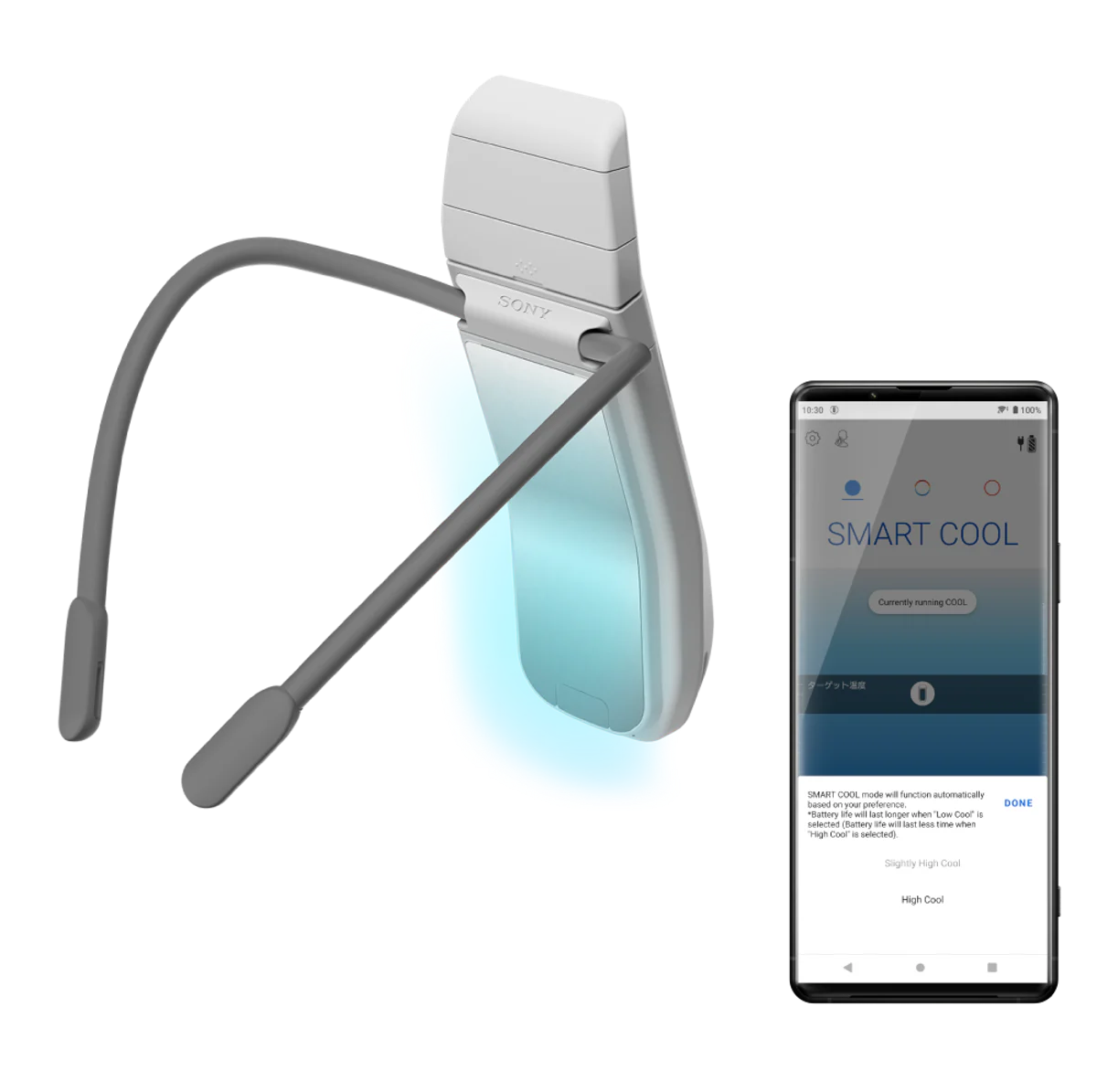
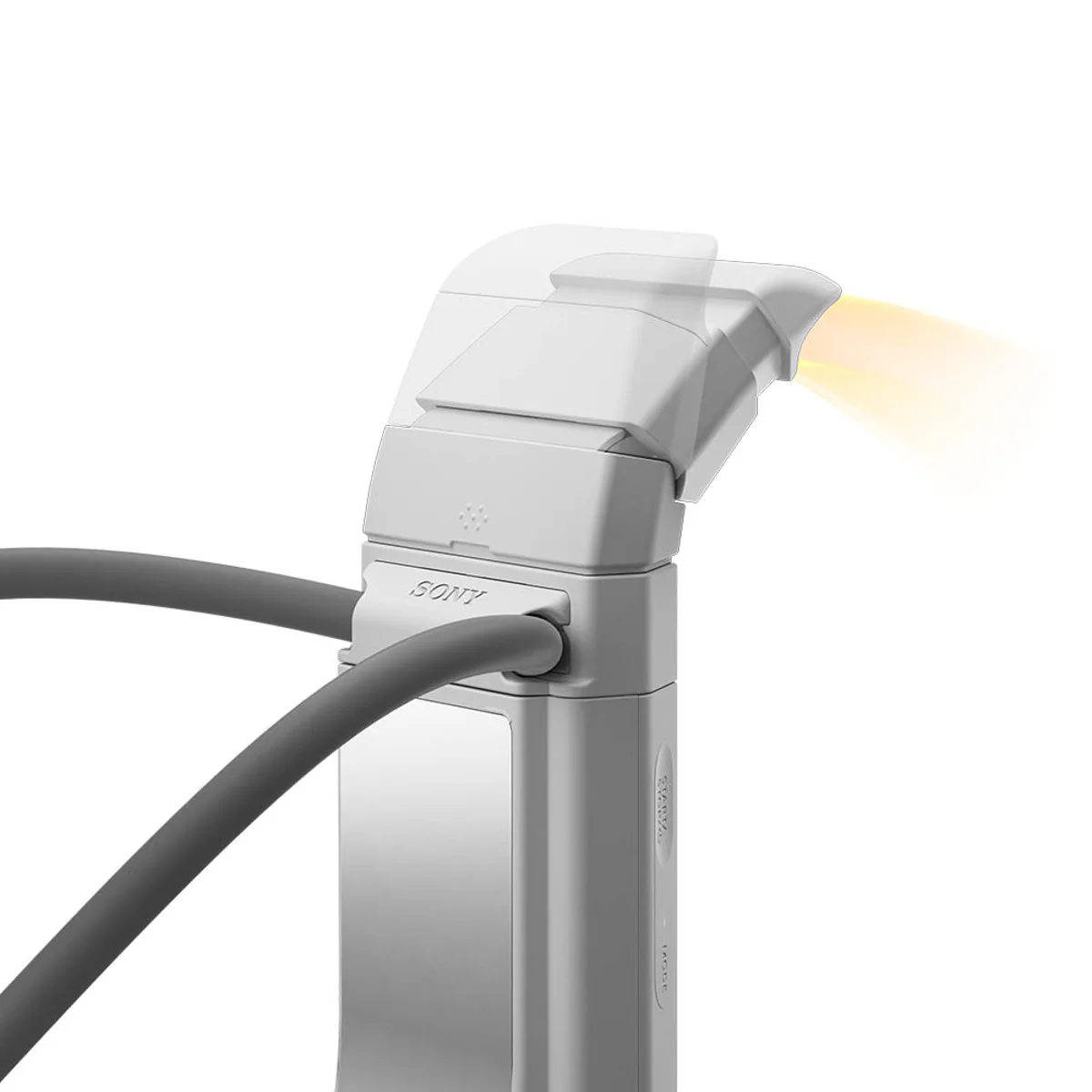
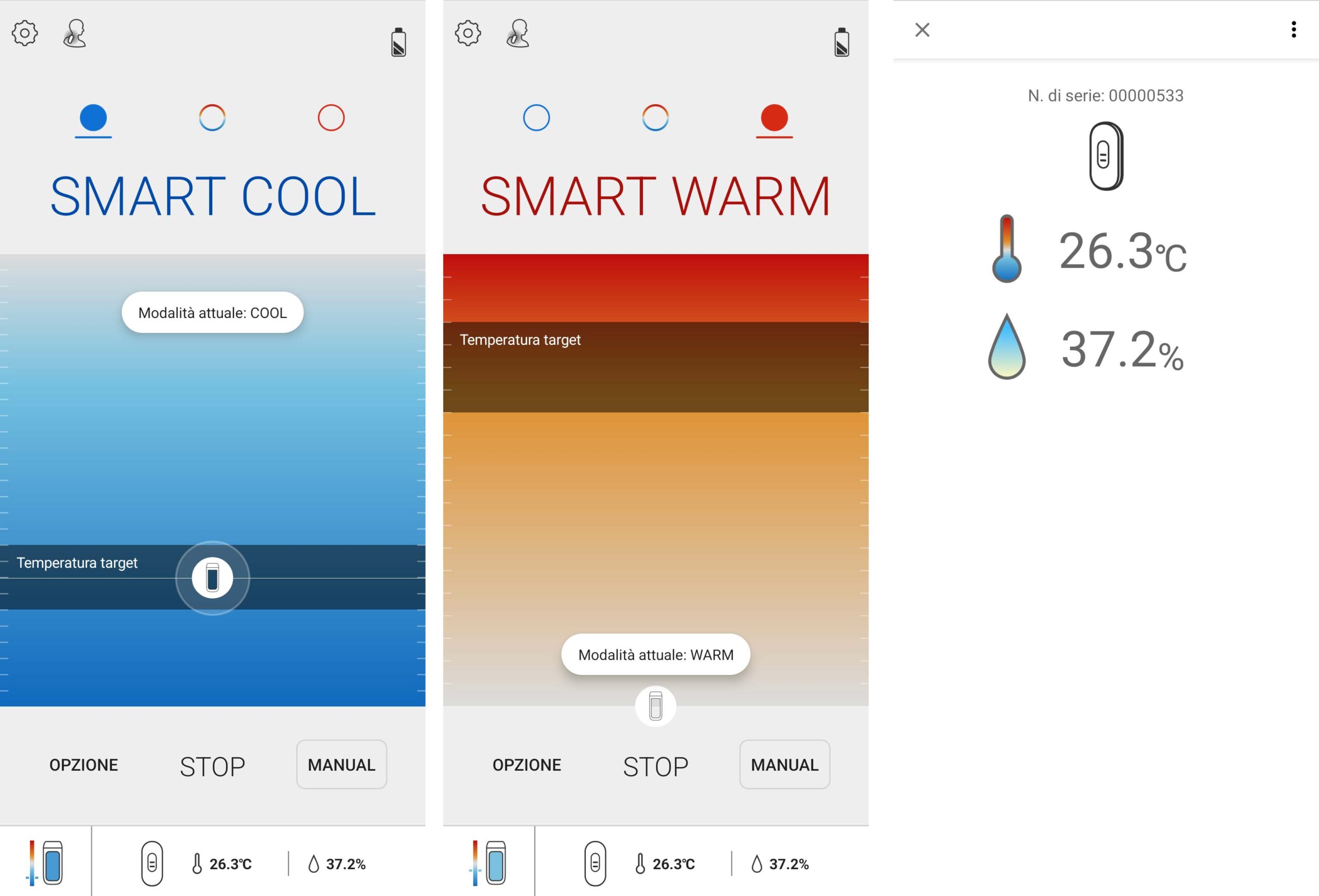
The warm air extracted from the body is expelled upwards through a small ventilation grille, and thanks to an adjustable extension included in the package, it's possible to direct the flow outwards even if you're wearing shirts or garments with particularly high collars. The physical buttons on the device are used to manage power and modes, but reaching them blindly behind your back is a considerable contortionist exercise. It's much better to rely on the Smart Control smartphone app, which unfortunately doesn't shine in terms of modernity. The UI indeed has a design that leaves something to be desired and desperately needs a visual refresh, even though it does its job without crashes or disconnections.
On a very hot day
We tested the Reon Pocket Pro Plus during some decidedly hot days, simulating the classic commuter scenario between offices with wild air conditioning and train cars. The initial feeling on the skin is like pressing an ice cube on the back of your neck, an undoubtedly pleasant sensation that quickly spreads down the spine. However, we must be honest and calibrate expectations, because in real use, it doesn't seem to make a huge difference in overall body cooling, even though it effectively provides some welcome localized coolness. Through the app, we tried both manual mode, which allows you to choose between five different power levels, and Smart Cool mode, which delegates power management to the Reon Tag 2 sensor we had attached to our backpack.

At the highest level, which is stage five, the cold is truly intense, but the battery life drops drastically to only 5 and a half hours. If, however, you rely on smart mode or intermediate levels like two or three, you can easily cover 15 or 27 hours of continuous use, with the great advantage of having an ultra-quiet ventilation system that is never heard, not even in a completely silent room. There is also a Warm mode that reverses the operation of the steel plate, turning it into a heater, a nice little feature that will make the gadget useful even during icy winter trips to the stadium.
Personal air conditioner?
The Sony Reon Pocket 3 is a premium product aimed at a very specific audience willing to spend a considerable amount for high-tech, personalized thermal comfort. Despite the decidedly too-long charging times and a mobile app whose graphical interface seems stuck a few years in the past, the improvements made to the collar's ergonomics and the effectiveness of the thermoelectric plate make it an intriguing purchase for dedicated geeks. It won't completely save you from extreme heat waves, but the convenience of having your hands free and its totally silent operation place it a notch above any portable fan on the market, though you'll have to cough up 199 CHF for the privilege!