
The gaming & tech site for Ticino and Italian-speaking Switzerland
The gaming & tech site for Ticino and Italian-speaking Switzerland
God of War Sons of Sparta

4.75
✓ What we like
- 🟢 Intimate narration by Kratos
- Soundtrack
- 🟢 Successful sibling relationship
What we don't like
- 🔴 Fights too wooden
- 🔴 A story that lacks bite
- 🔴 Uninspired graphics
The surprise announcement during the latest State of Play shook the PlayStation Store with an unexpected shadow drop: God of War: Sons of Sparta. Developed by Mega Cat Studios in collaboration with Santa Monica Studio, the title drastically departs from the series' cinematic action approach to embrace the 2D Metroidvania formula.
This is a prequel that takes us back to the origins of the myth, exploring the youth of Kratos and his brother Deimos in the rigid Spartan society. The game aims to fill in the narrative gaps of the Agoghé, attempting to give depth to a warrior who was not yet the Ghost of Sparta, but simply a young man seeking acceptance. While the basic idea is fascinating, the end result is an enjoyable experience, but decidedly far from the epic scale we've become accustomed to from the series.
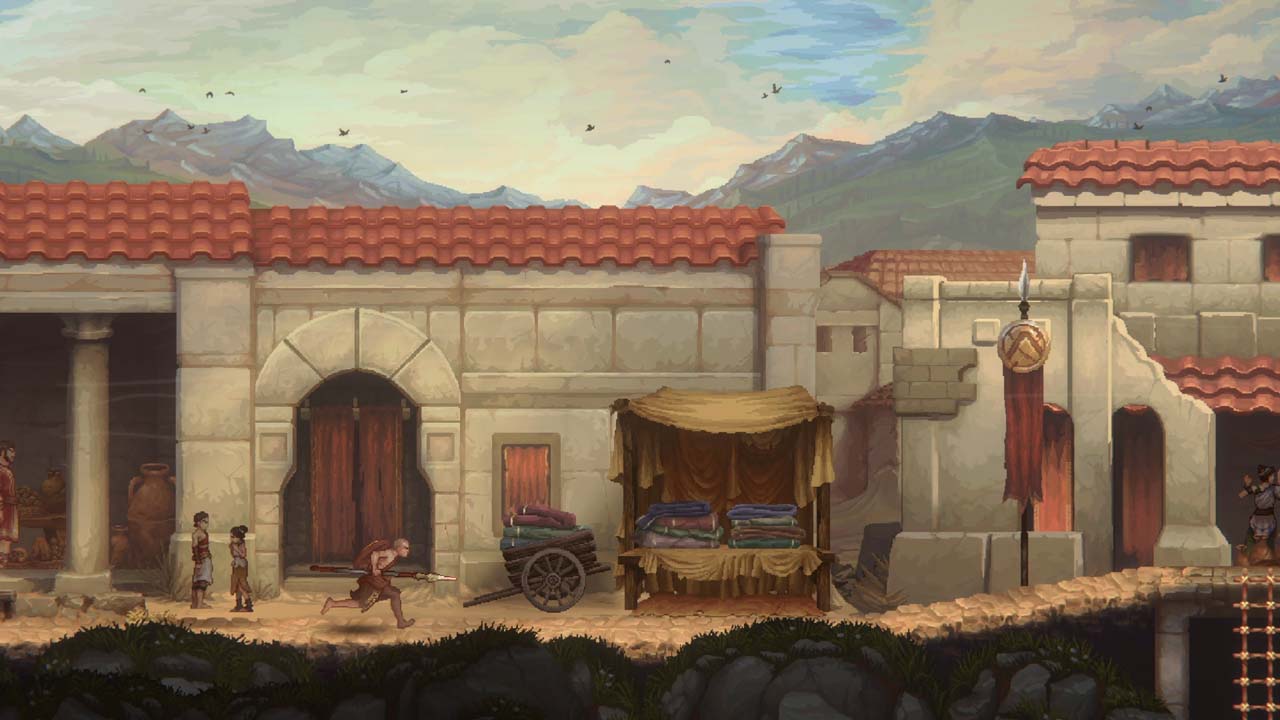
Between duty and blood ties
The narrative adopts an intimate and almost melancholic approach: Kratos, now a wise father, recounts these past exploits to his daughter Calliope, transforming the violence of his past into a sort of moral tale. At the center is the young Kratos, already dutiful and unflappable, supported by his brother Deimos, more emotional and a lover of music. The search for Vasilis, a mysteriously missing companion, serves as the unifying thread throughout an adventure that can last between fifteen and thirty-five hours. However, the plot struggles to truly take off: there are no significant antagonists or divine threats capable of raising the stakes, making the coming-of-age tale a bit flat and lacking the necessary bite to remain etched in the player's memory.
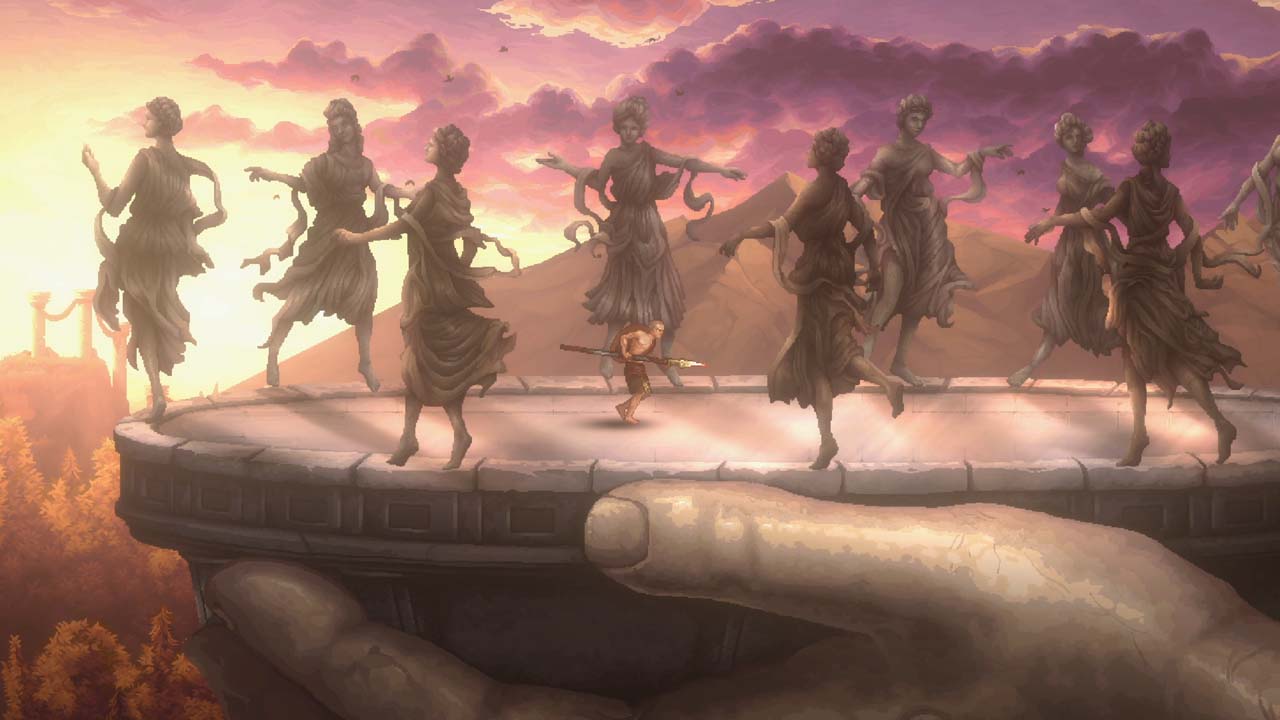
Spear, shield and Spartan Spirit
Gameplay-wise, we're looking at an extremely traditional Metroidvania. Kratos doesn't wield the Blades of Chaos, but relies on the Dory spear and the Aspis shield, both of which are highly customizable with spikes, shafts, and trinkets that modify passive bonuses and elemental effects. The combat system is functional and fun for fans of the genre, relying on the Spartan Spirit mechanic to manage health and special attacks. Despite the introduction of tools like Apollo's Slingshot and Demeter's Scythe, which serve as both weapons and keys to exploration, the overall feel is often stiff. Movement is cumbersome, and managing enemy attacks requires precision that sometimes leads to a frustrating stasis, making combat less fluid than the original hack 'n' slash series taught us.
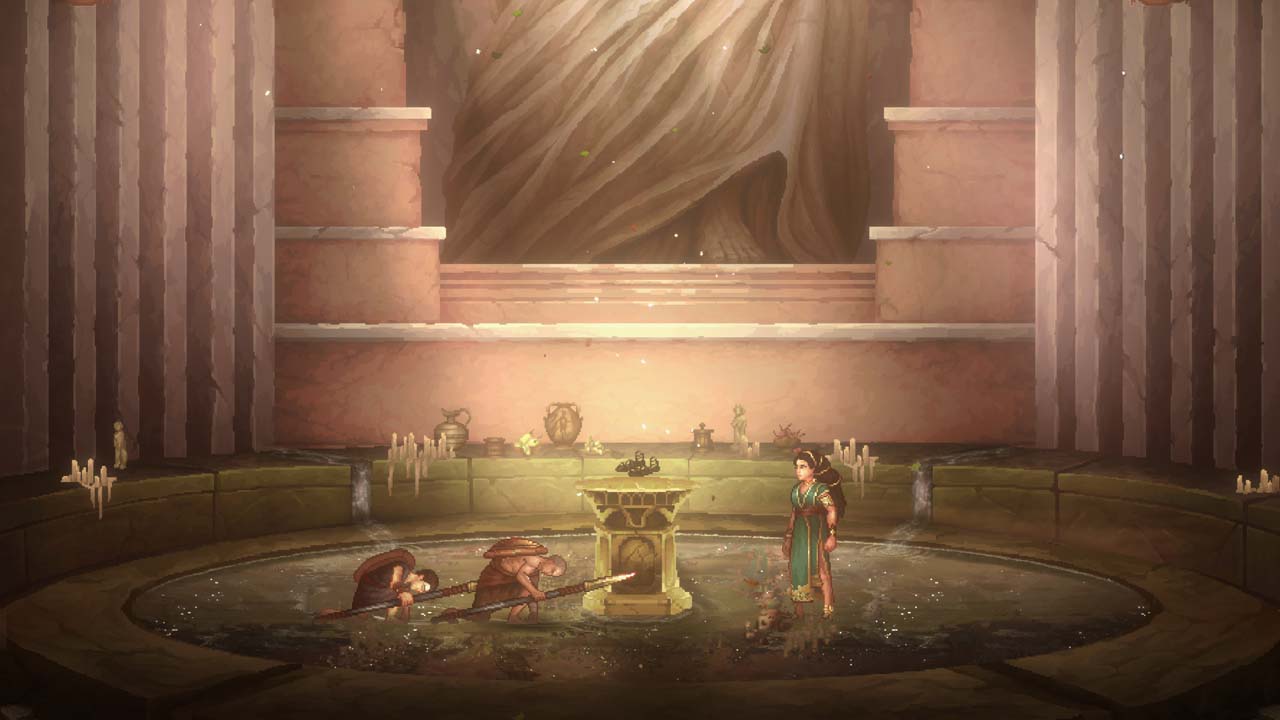
Exploring Ancient Sparta
Exploring the Laconia region follows the backtracking theme, with interconnected areas that unlock as you gain new powers. One design element we found particularly useful is the Eikon function attached to the bust of Lycurgus: this tool allows you to take photographs of locations and pin them to the map, making navigation much more intuitive than the usual vague markers.
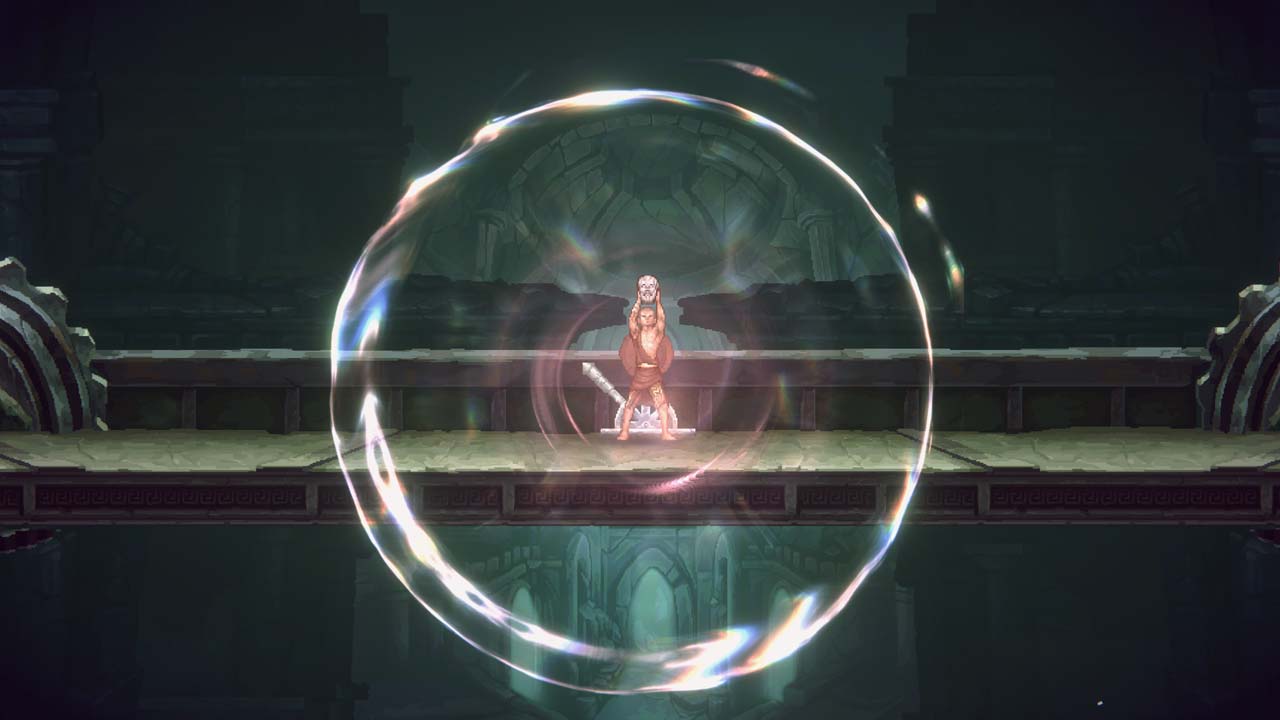
However, the level design isn't particularly original, and there's frequent downtime, especially due to a fast travel system that's only available to the player with a significant delay, almost at the end of the adventure. Worthy of mention is the Pit of Agonies, a local co-op roguelite arena mode that finally allows you to use the Kratos-Deimos duo dynamically, offering an additional challenge after the credits roll.
A Dull Beauty
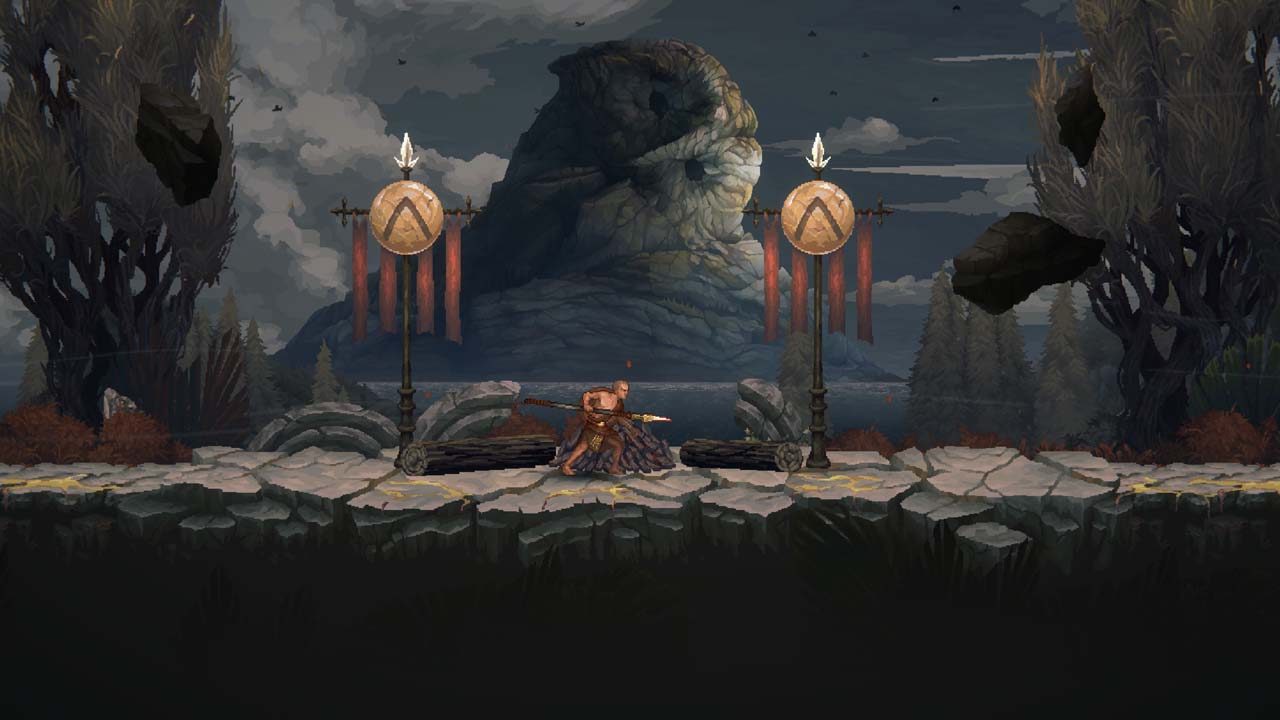
Visually, Sons of Sparta relies on retro pixel art reminiscent of the 16-bit era, but the overall visual impact is unfortunately lackluster. Although the parallax backgrounds attempt to provide depth, the art direction appears conservative and lacks the iconic style one would expect from a God of War-related title. Even compared to other similarly inspired modern Metroidvanias, Mega Cat Studios' title appears less polished, with occasionally inconsistent animations and several bugs that undermine the clarity of the experience. Bear McCreary's soundtrack is the only element that truly stands out, blending orchestral themes and chiptune experiments, but it's not enough to lift a technical aspect that also suffers from an inconsistent Italian localization and problems with the audio mixing of dialogue.
