

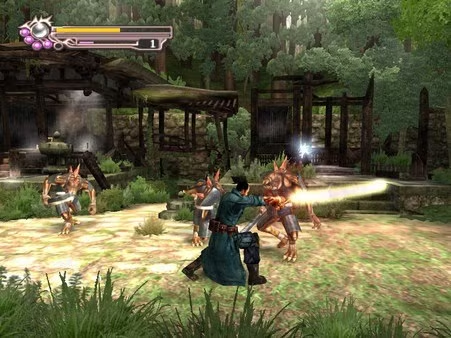
25 years have passed since the first title in the series and I find myself on the threshold of 40 finally witnessing the release of a new Onimusha. For many it is an emotional return to an era in which it was enough to insert a disc into the PlayStation 2 to find yourself catapulted into a dark, silent feudal Japan, crossed by demonic presences.
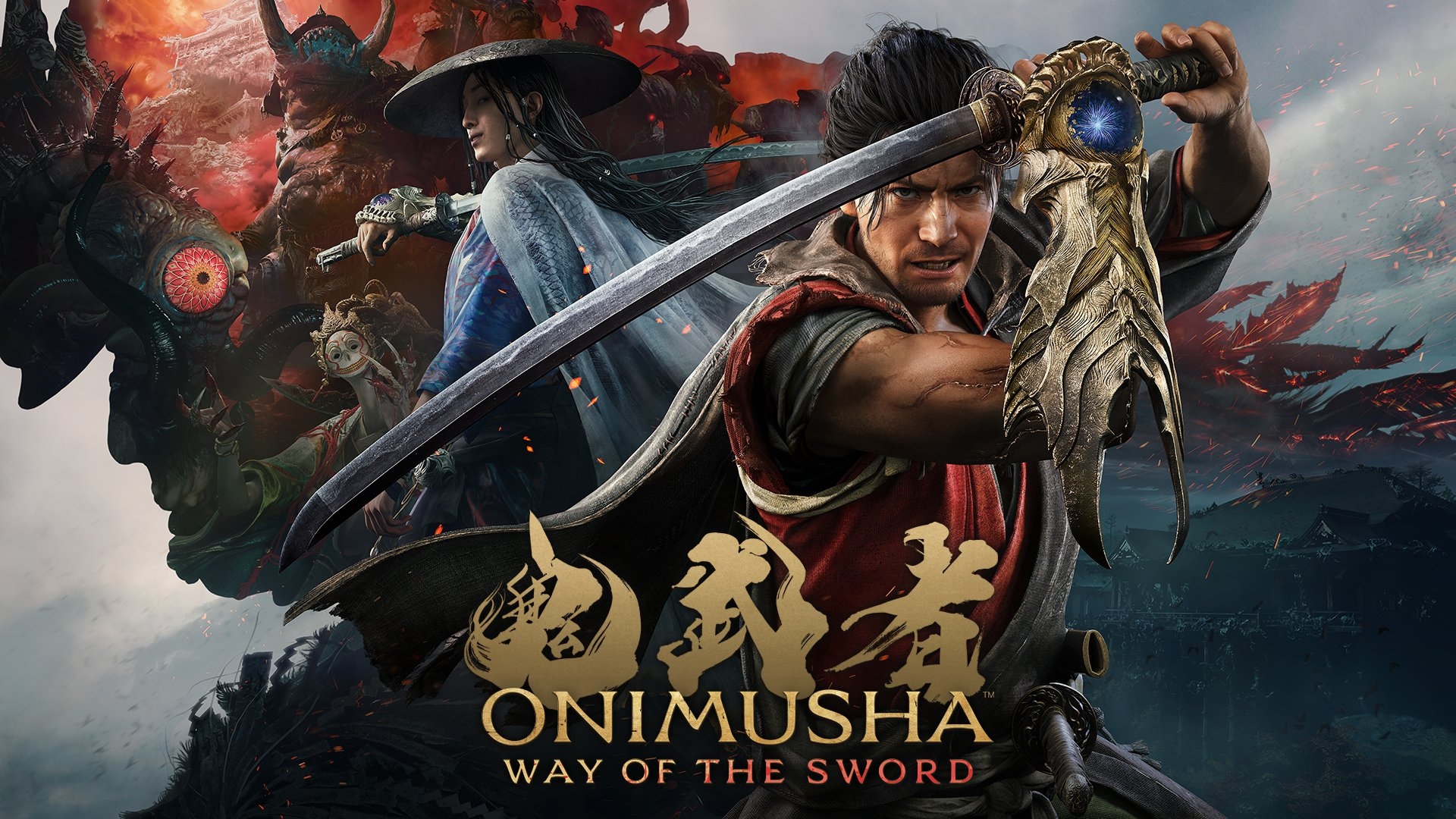
With Onimusha: Way of the Sword, Capcom isn't simply reviving a saga; it's attempting to reconnect with a broken thread while simultaneously reclaiming the role that led it to revolutionize action games. To understand what this return truly represents, we need to go back to the beginning. When Onimusha: Warlords (Genma: Onimusha on Xbox) came out in 2001, it carried with it the structural legacy of Resident Evil, but transformed it into something profoundly different. The fixed cameras, pre-rendered backgrounds, and spatial management were familiar, yet the atmosphere was completely different. Sengoku-era Japan became the theater of an invisible war, where historical figures like Oda Nobunaga were rewritten as demonic entities. And at the heart of it all was a simple yet powerful idea. Combat wasn't just action, it was rhythm. Strike, absorb souls, decide how to use them.
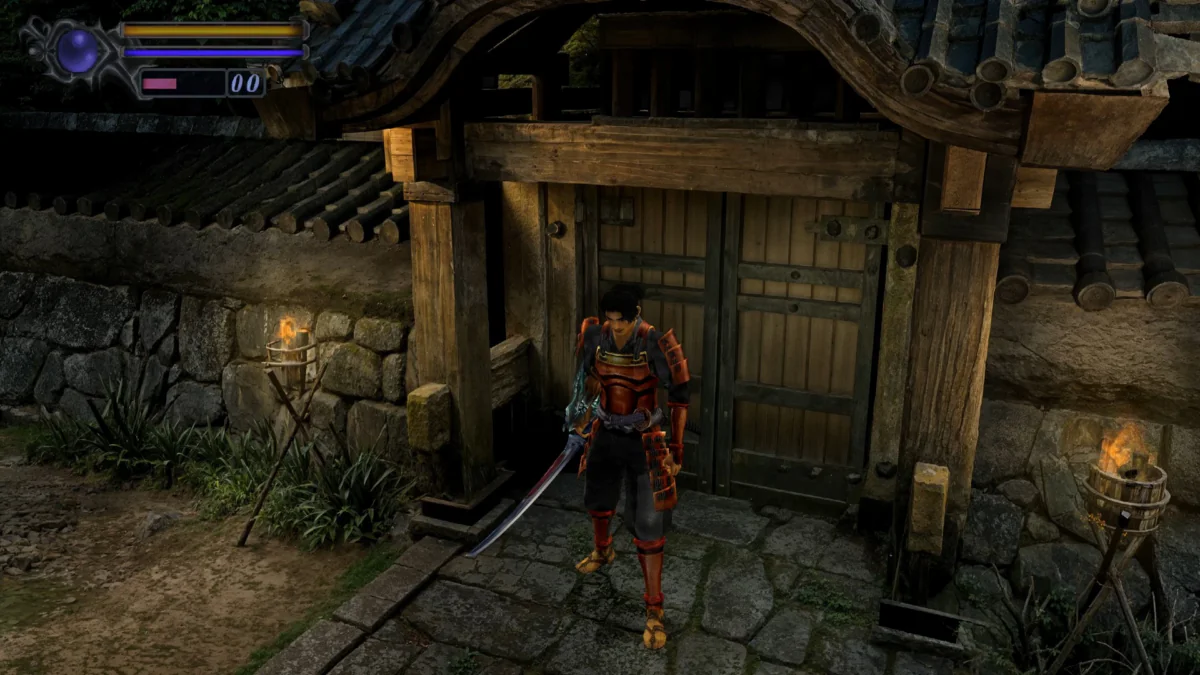
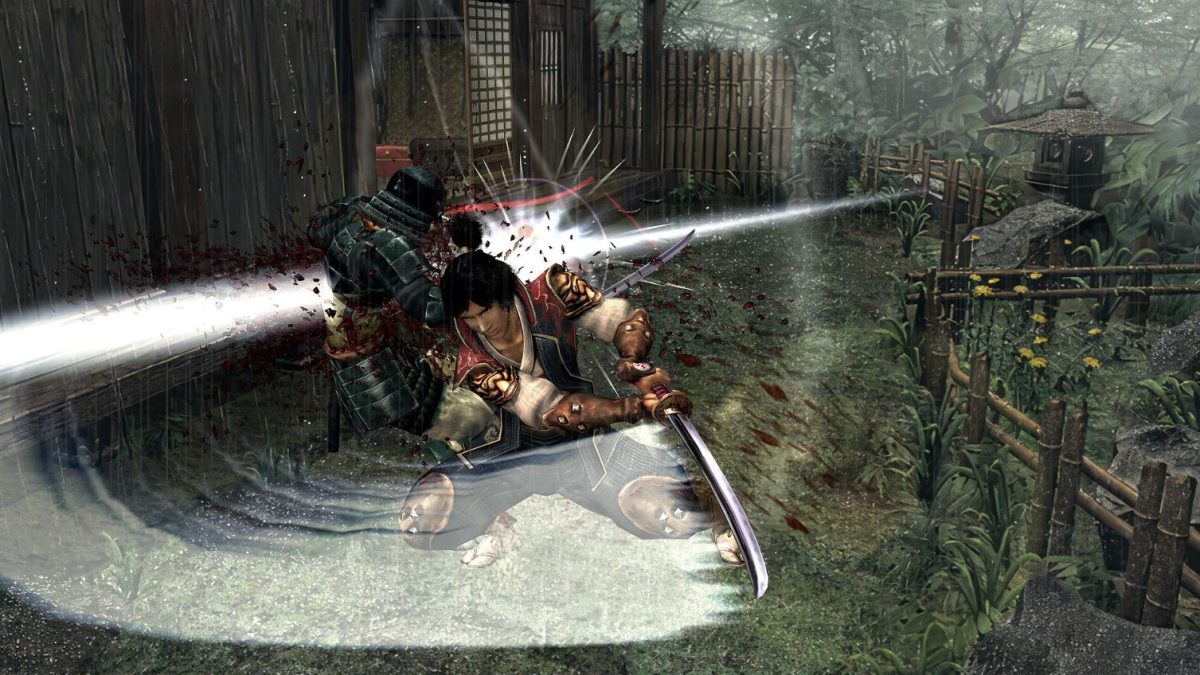
Each encounter had a strategy that included pauses, but even there, beneath the surface, lurked something that sounds surprisingly modern today. The Issen, the technique that allowed you to take down an enemy with a blow executed at the perfect moment of being hit, wasn't just a spectacular gimmick, it was a design statement. In an era where action tended to reward aggression, Onimusha rewarded control. Today, looking at titles like Sekiro: Shadows Die Twice, it's easy to think of a recent influence on the new installment. But the reality is more interesting: if deflect has become a widespread language in modern video games, it's also because Onimusha had laid the foundations for the future. Way of the Sword, in this sense, doesn't chase a trend, but reminds players where it all began.
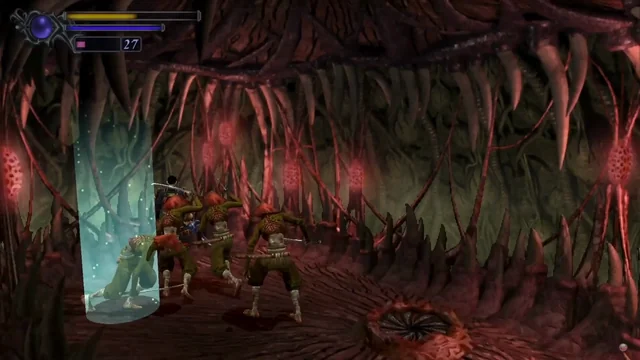
With Onimusha 2: Samurai's Destiny, the formula expanded, introducing character relationships and new dynamics, while at the same time pushing the player into increasingly chaotic situations, with groups of enemies to manage and control. This element would become even more evident in Onimusha: Dawn of Dreams, where the battlefield opened up, the pace accelerated, and the player was tested against veritable waves. These weren't yet the codified "hordes" of modern games, but the principle was already there: resist, adapt, master the chaos. An intuition that in the years that followed would become a central structure for many titles, often without anyone remembering where it came from. Because remember, since the first Onimusha, the Dark Realms have inspired games like Ninja Gaiden, with its trials of valor. Onimusha is an inspiration on every level, even for Capcom itself. Devil May Cry inherited the Oni form (the demonic transformation), transforming it into the Devil Trigger for Dante. Games like Nioh are rooted in the concept created by Onimusha itself: the fusion of real history and the supernatural.
In the meantime, Onimusha 3: Demon Siege (my favorite of the series) represented the pinnacle of experimentation, blending eras and imagery to bring the war against demons to contemporary Paris, alongside the Japanese cast with the unexpected face of Jean Reno. It was a free Capcom, capable of taking risks, breaking the rules. Then, suddenly, silence. A long silence, broken only by the release of Onimusha: Warlords Remaster and the recent Onimusha 2 Remaster, which sounded like a question posed to fans: is there still room for all this? The answer comes today, but with a different awareness.
Way of the Sword doesn't simply revisit the past: it reinterprets it, starting with a figure who is, in himself, legendary. Miyamoto Musashi isn't just a protagonist, he's a symbol. A philosopher, duelist, author, and the embodiment of the Way of the Sword. But reducing him to this would be incomplete. Musashi is also, in his most captivating portrayals, ironic, bold, and provocative. A man capable of smiling in the face of danger, toying with his opponent, and facing death with a lightheartedness bordering on arrogance.
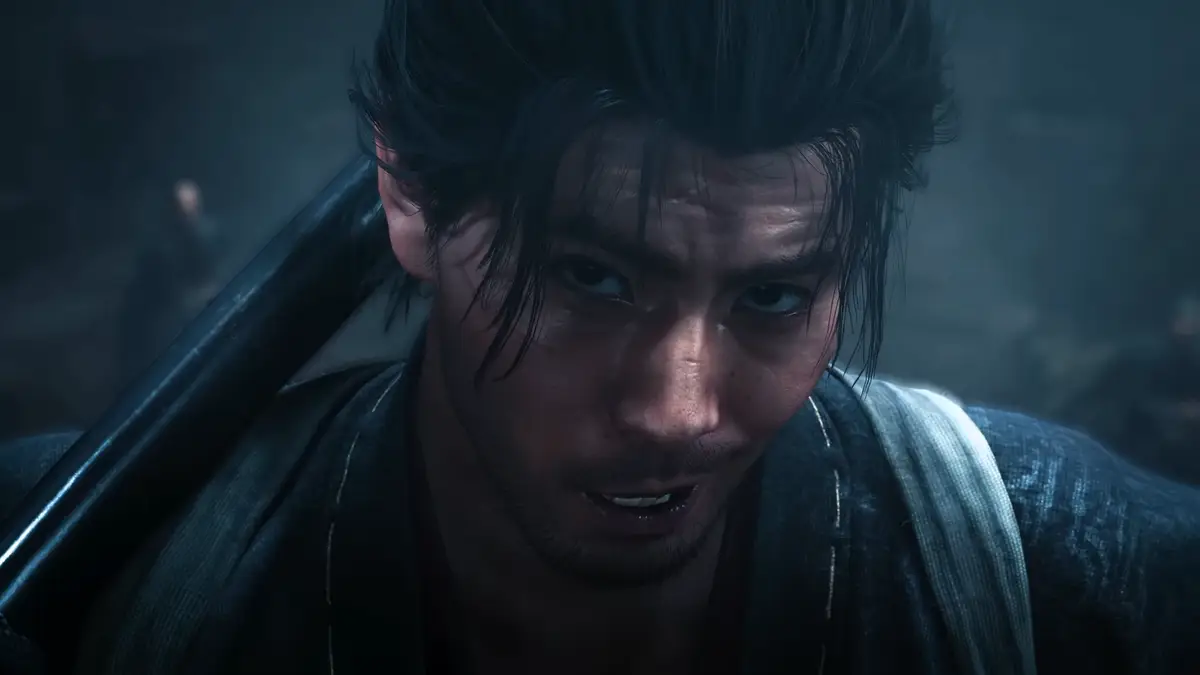
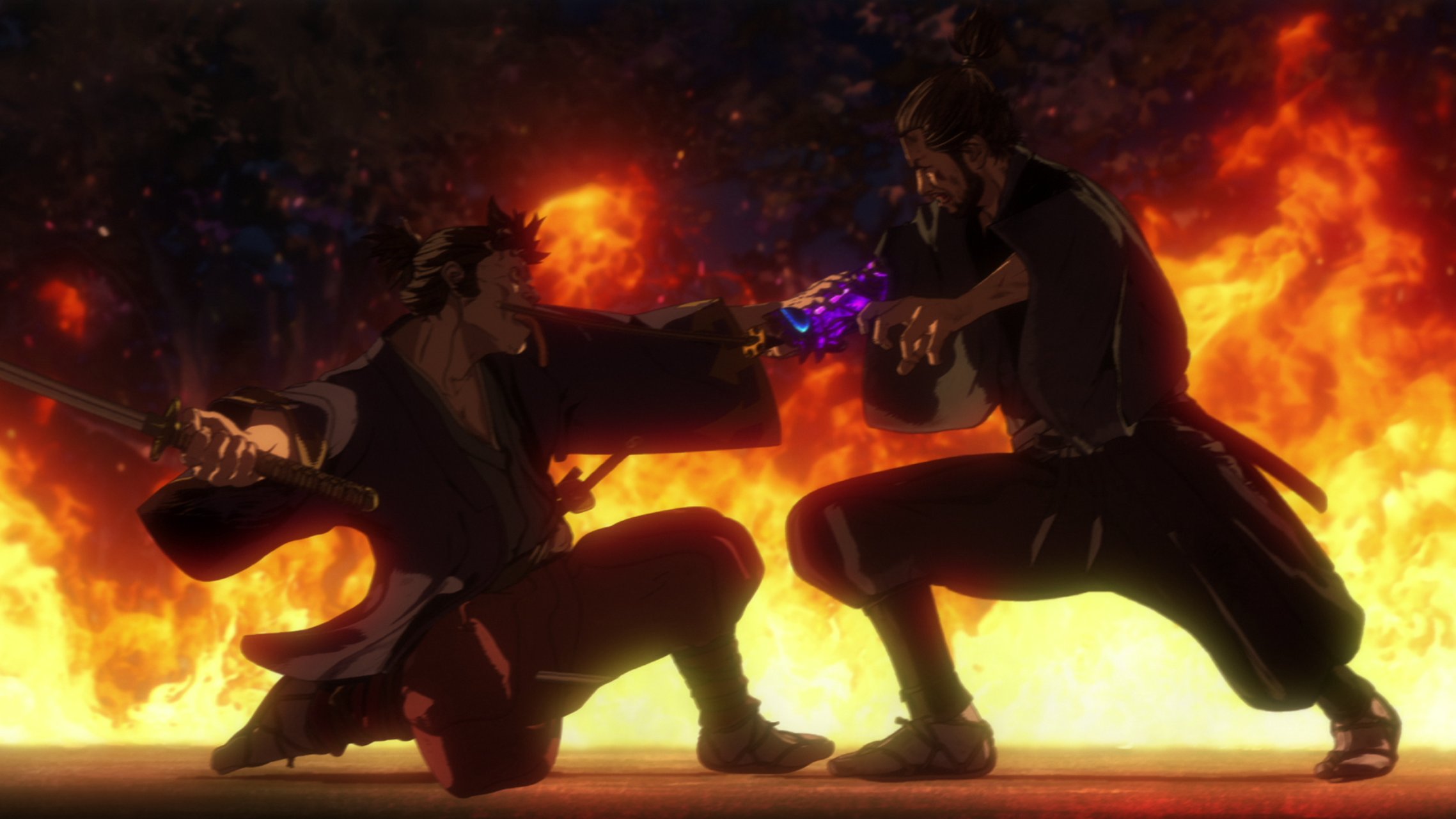
It's precisely this duality that makes him perfect for the saga's new direction. On the one hand, discipline, inner exploration, the weight of choices. On the other, a more instinctive, almost irreverent energy that can ease tension and make the character more human, closer. Not just the hero who fights demons, but the man who challenges them with a confident gaze, sometimes even a smile. This vision connects directly to the imagery constructed by the Netflix animated series Onimusha, where the samurai is portrayed in a more raw and earthy way, inspired by the screen presence of Toshiro Mifune, an iconic face of Akira Kurosawa's cinema. It's an important reference, because it suggests a more mature, dirtier, less idealized direction.
And this is where the most important game is played. The modern landscape is dominated by increasingly fast-paced and spectacular action games, complex systems, and a certain tendency toward homogenization. Series like Devil May Cry have emphasized stylistic expression, while others like Ninja Gaiden or Sekiro have built their identity on difficulty and extreme precision. Onimusha, historically, was a balance: accessible yet profound, spectacular yet never chaotic, technical yet always readable.
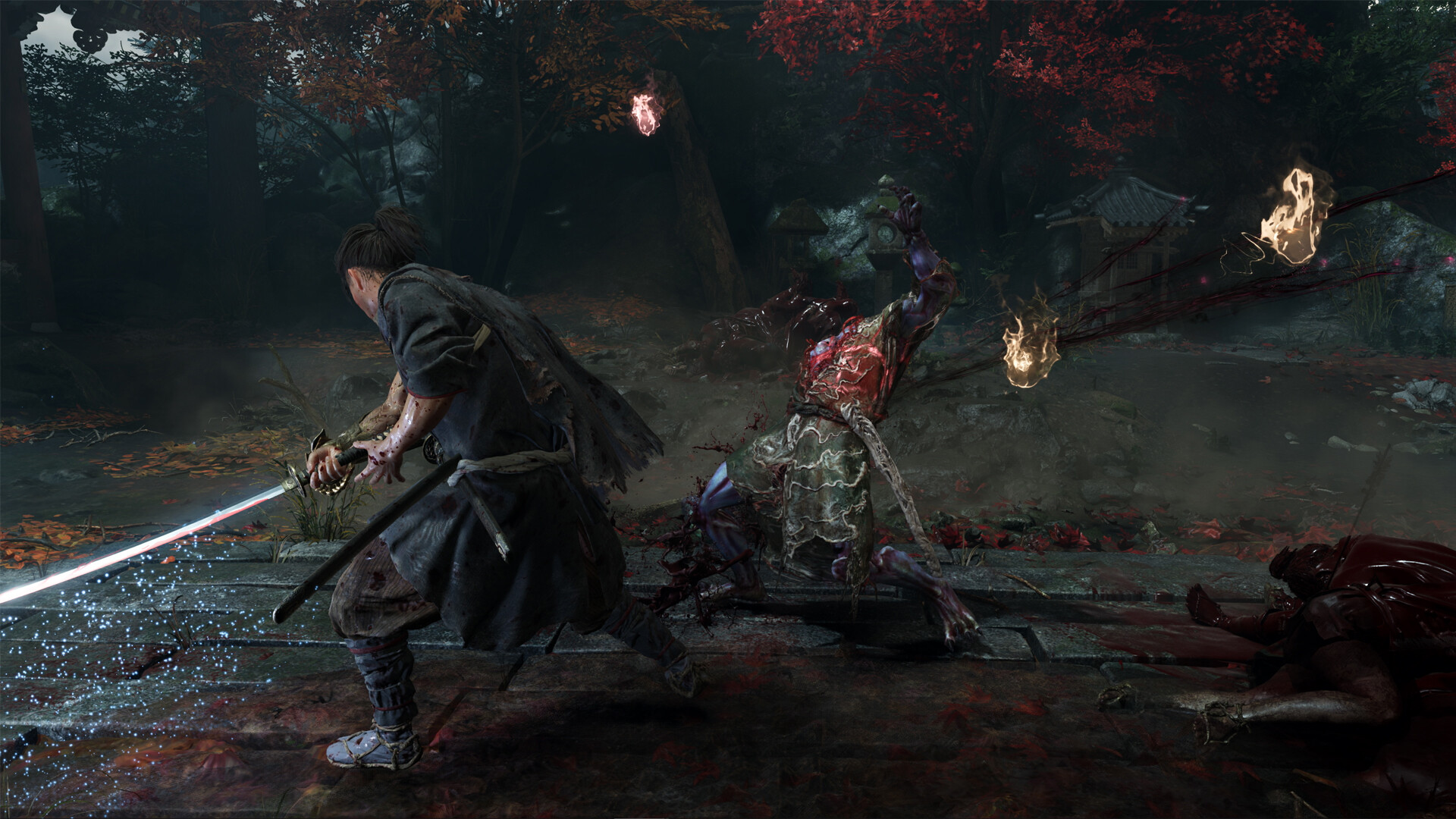
If Capcom can maintain this balance, integrating the Issen system into a modern form, enhancing the management of multiple encounters without turning them into pure chaos, and building a story around Musashi that combines introspection and charisma, then Way of the Sword will be able to do something rare: not only return to, but remind everyone where certain ideas come from.
Because this, ultimately, is the heart of Onimusha's return. Not nostalgia, not a simple revival. But the opportunity to restore order to the medium's collective memory. To say, calmly but firmly, that before certain mechanics became trends, they were already visions.
And perhaps, by choosing Miyamoto Musashi, with his discipline, his wit, and that swagger that makes him unpredictable, Capcom has found the perfect way to do it. Because Musashi is not just a warrior. He is the balance between control and instinct.
Exactly what Onimusha has always been.
“you must always remember” cit.