The gaming & tech site for Ticino and Italian-speaking Switzerland
The gaming & tech site for Ticino and Italian-speaking Switzerland
Roborock Qrevo Curv 2 Flow

✓ What we like
- 🟢 15N pressure roller wash
- 🟢 Skip unnecessary washing
- 🟢 Exceeds thresholds of 2cm
- 🟢 Excellent cleaning performance
What we don't like
- 🔴 The soap dispenser is missing
- 🔴 Rigid LiDAR Turret
- 🔴 Noisy drying
For a cleaning robot, simply vacuuming is no longer enough; now we expect our trusty steed (steed?) to scrub the floor as if it had the elbow grease of someone who cares about cleaning properly.
Roborock has answered the call with the Qrevo Curv 2 Flow, a device that abandons traditional rotary mops for its first self-degreasing SpiraFlow mopping roller. This debut aims squarely at the high end, attempting to justify a list price of CHF 1,200 with a spec sheet that would make a data center envious.
Storm trooper living room
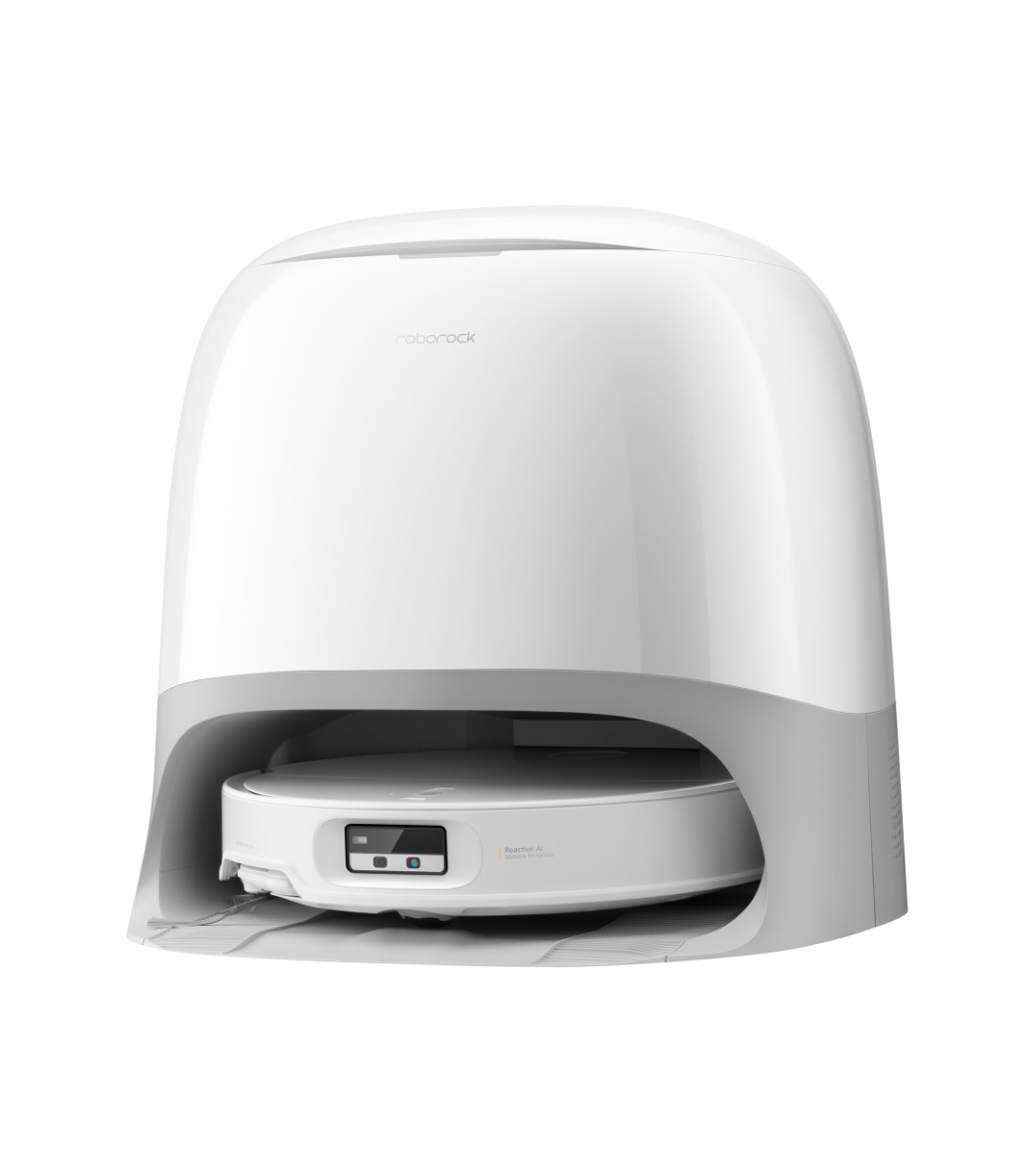
The design is as Star Wars-esque as we've seen lately: a sleek white unit reminiscent of a Stormtrooper helmet, very elegant and not too bulky in terms of the base dimensions (45 x 45 x 45 cm). Under the hood we find the usual Roborock brute power: 20,000 Pa of HyperForce suction, which in our tests literally devoured popcorn, dust accumulated under the bed, and fruit juice on the floor.
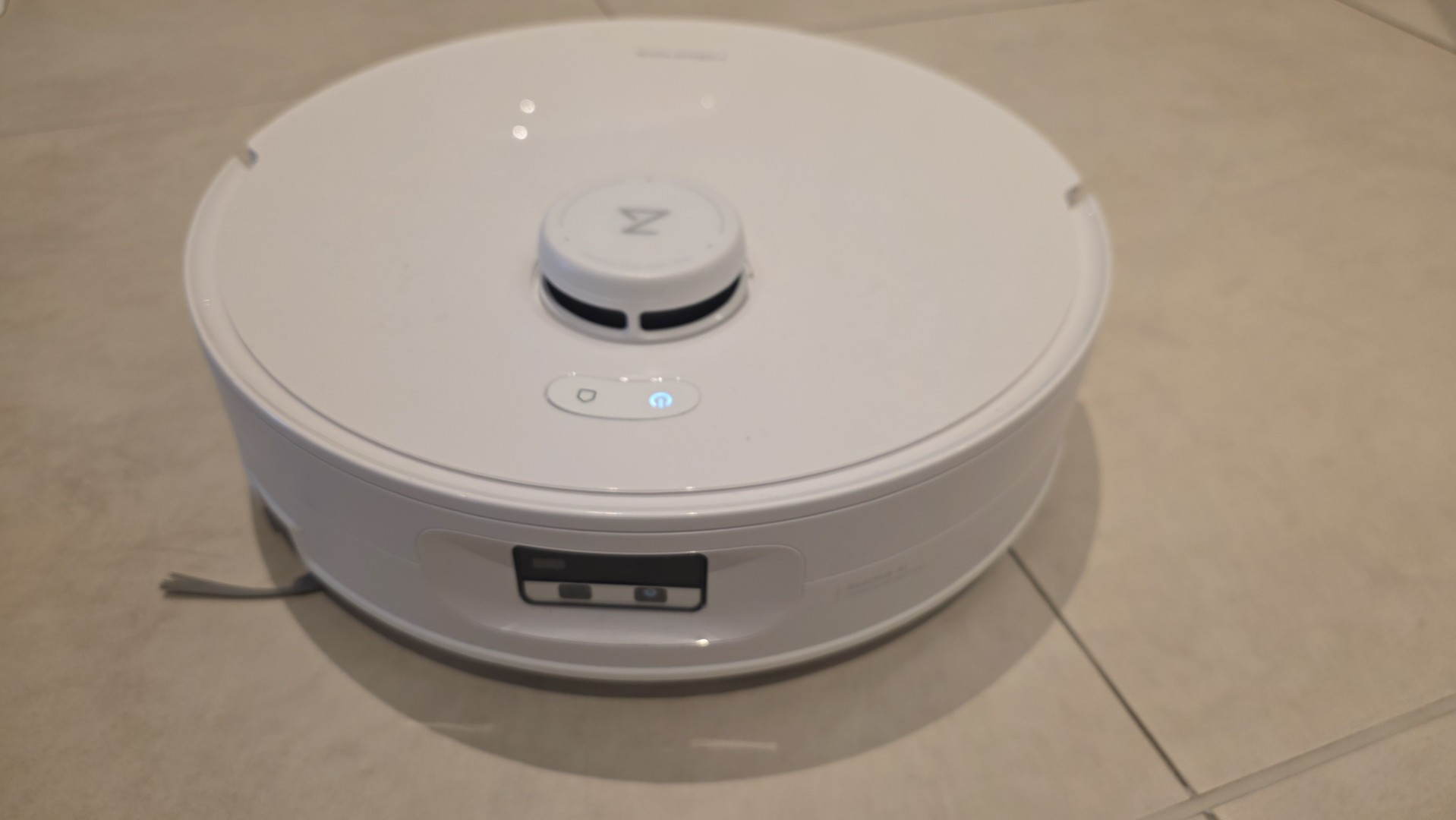
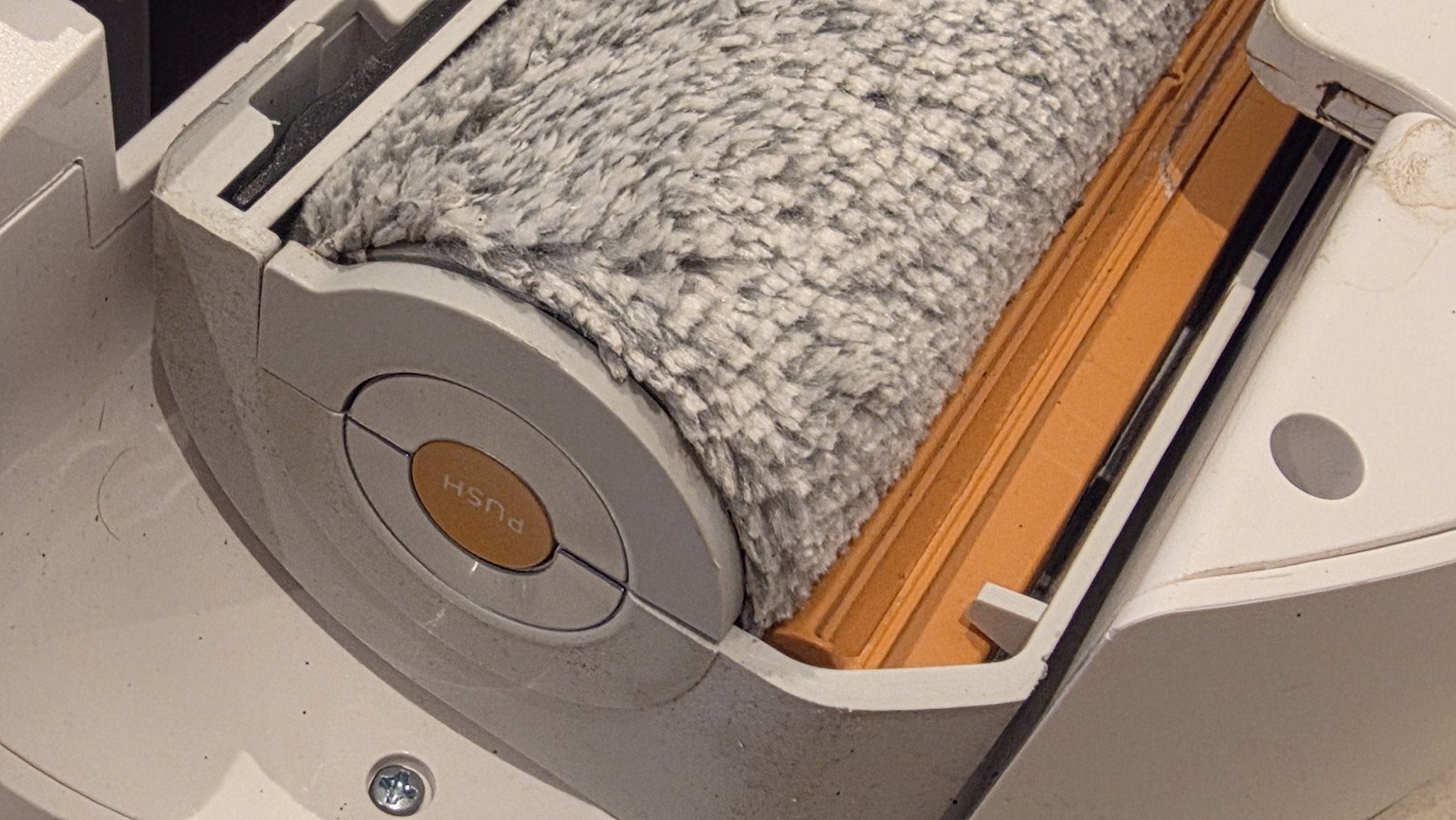
The real star of the show, however, is the SpiraFlow roller. Unlike cloths that drag dirt along, this system constantly sprays clean water onto the roller while a scraping blade removes the dirty water and sends it to the internal 3-liter tank. The result? The shiniest hardwood floors we've ever seen a robot vacuum leave. The only downside is its height: the fixed LiDAR turret brings the robot to 11.9 cm, making it impossible to clean certain low sofas that other "slender" models measuring less than 10 cm can easily clean. And no, the turret doesn't lower like other recent devices.
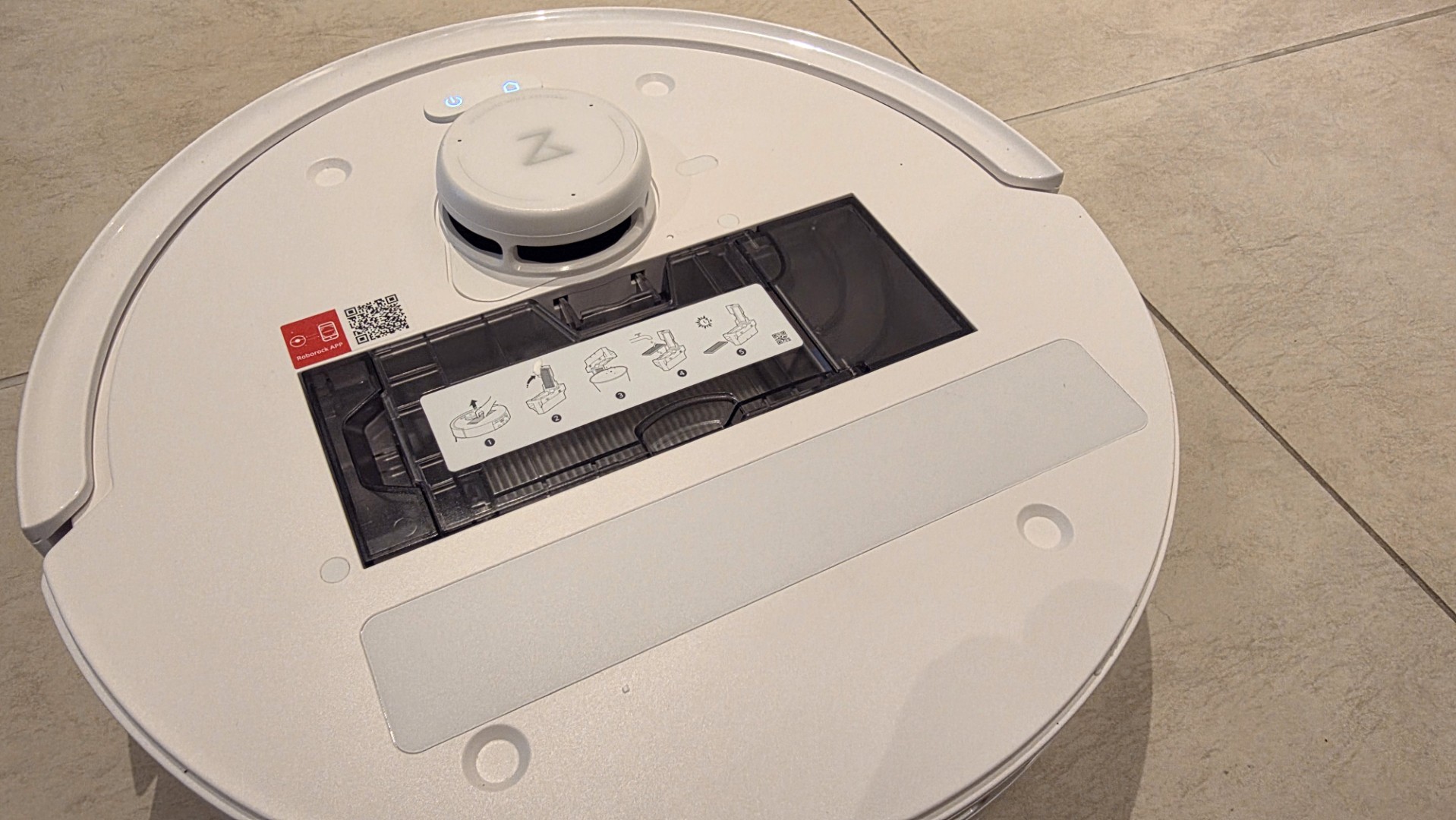
Test on the… floor
We've put the roller through its paces with everything from coffee, popcorn, soy sauce, and even ketchup stains. The results are clear: the 15N downward pressure (about 1.5kg of actual pressure on the floor) really makes a difference on dried-on stains, cleaning significantly better than even the Dreame Aqua10 Roller, our benchmark until now. However, with the default settings, we noticed some streaking (those annoying streaks of water). To fix this, simply increase the water flow in the app from 5 to at least 20 out of 30 for perfect coverage.
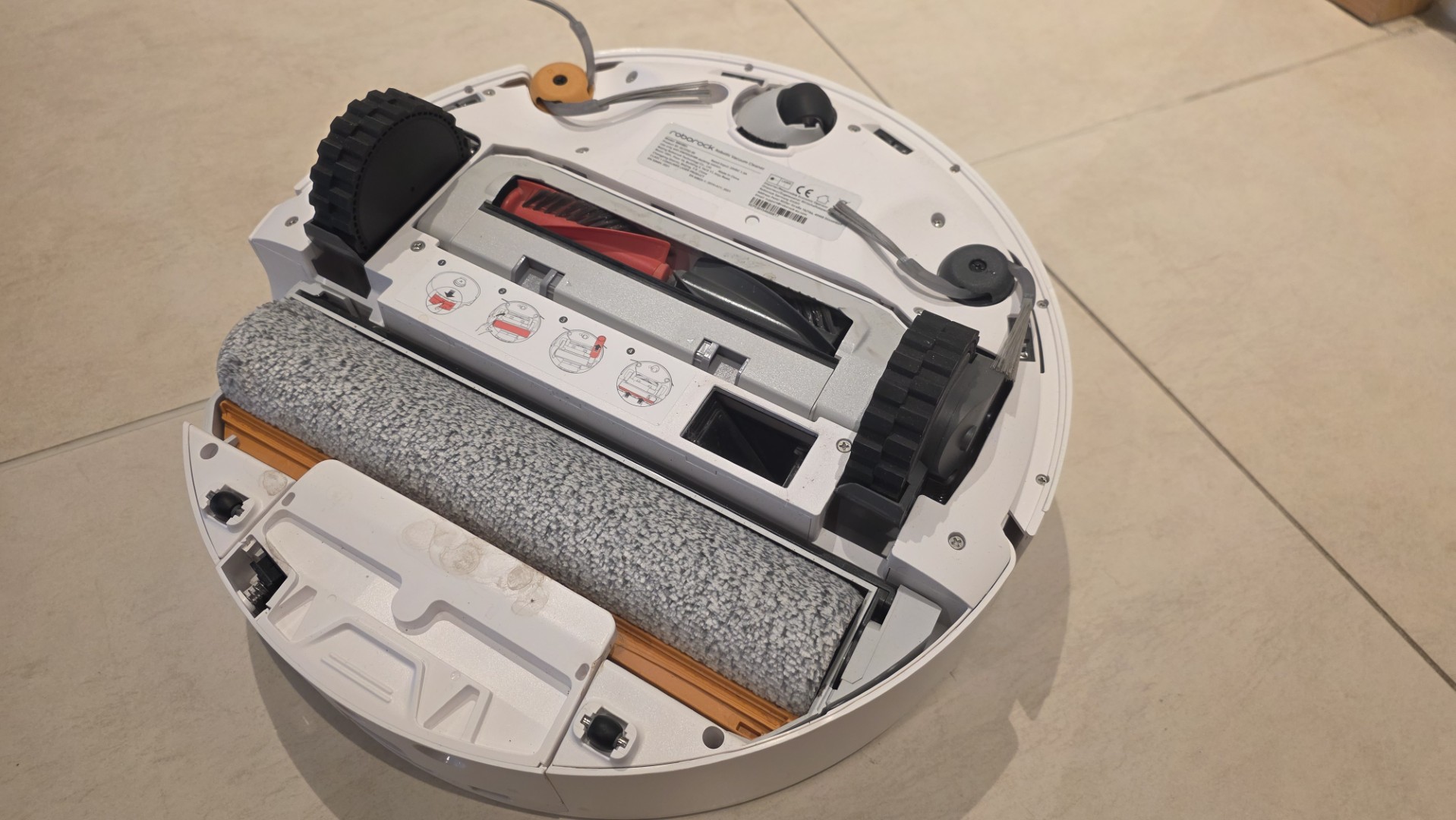
In terms of mobility, the Curv is a real powerhouse: thanks to its AdaptiLift chassis, it can easily climb steps and thresholds up to 2 centimeters high, finally solving the problem of those with large thresholds between rooms. It performs well on carpets and has never left any moisture, not even on the edges.
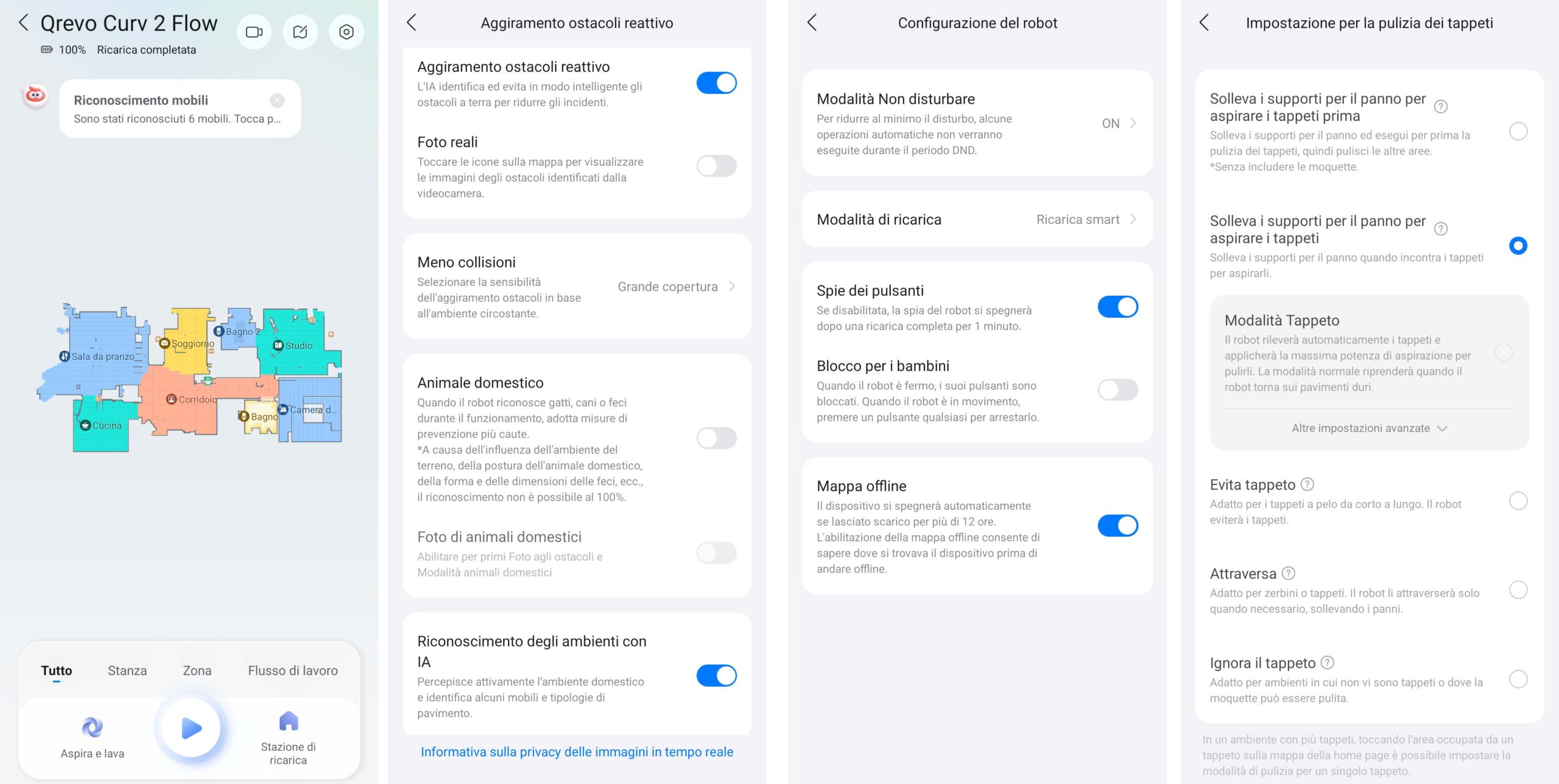
Software & AI
The Roborock app is always very comprehensive and allows for fine-tuning. LiDAR mapping is fast, and crucially, the robot saves the map internally, ensuring stability even if the Wi-Fi is acting up. We really appreciated the intelligent cycle management: if the roller mop is already sufficiently wet and clean, the robot doesn't restart the cleaning process before moving on to the next task, drastically reducing downtime.
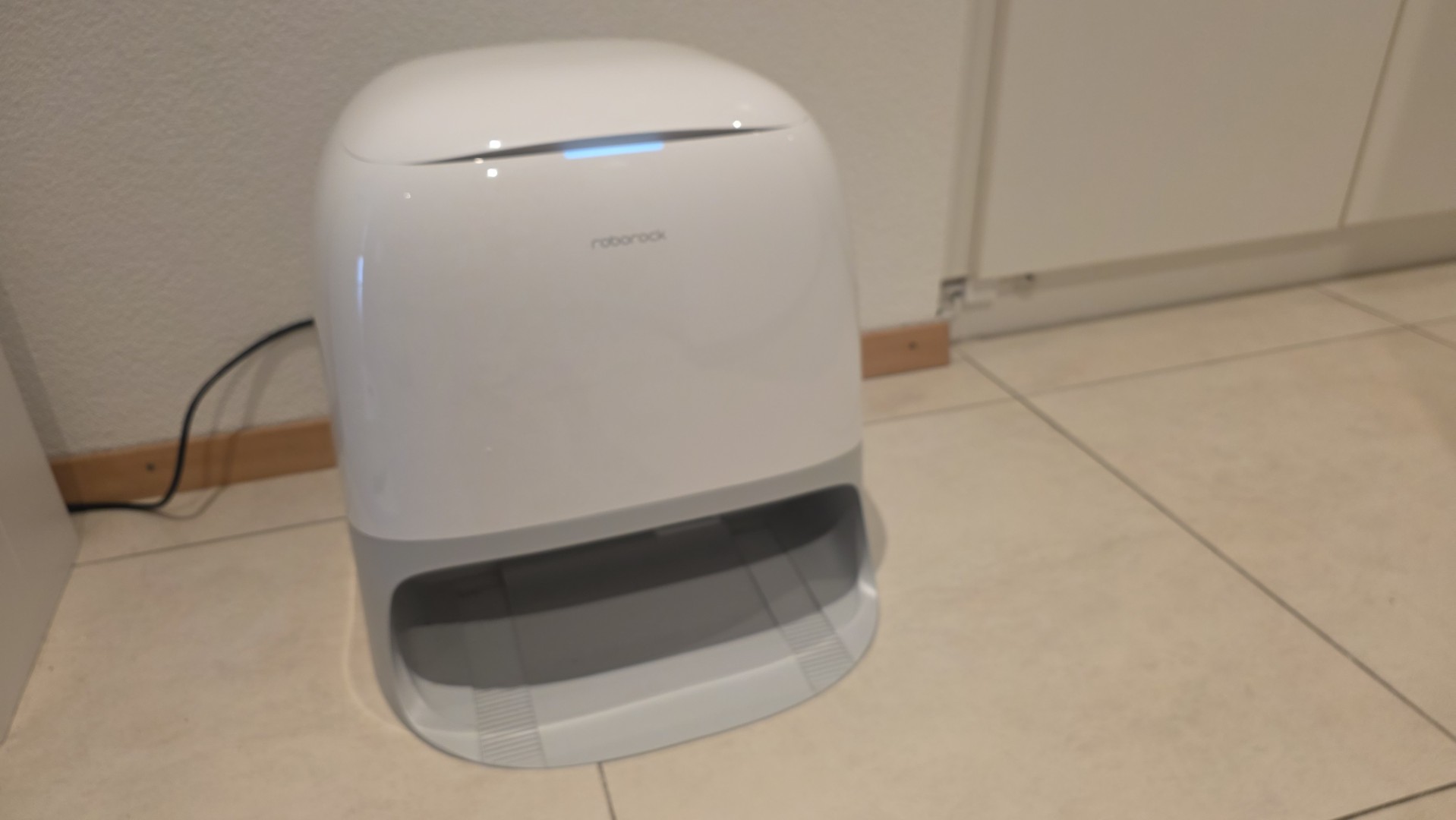
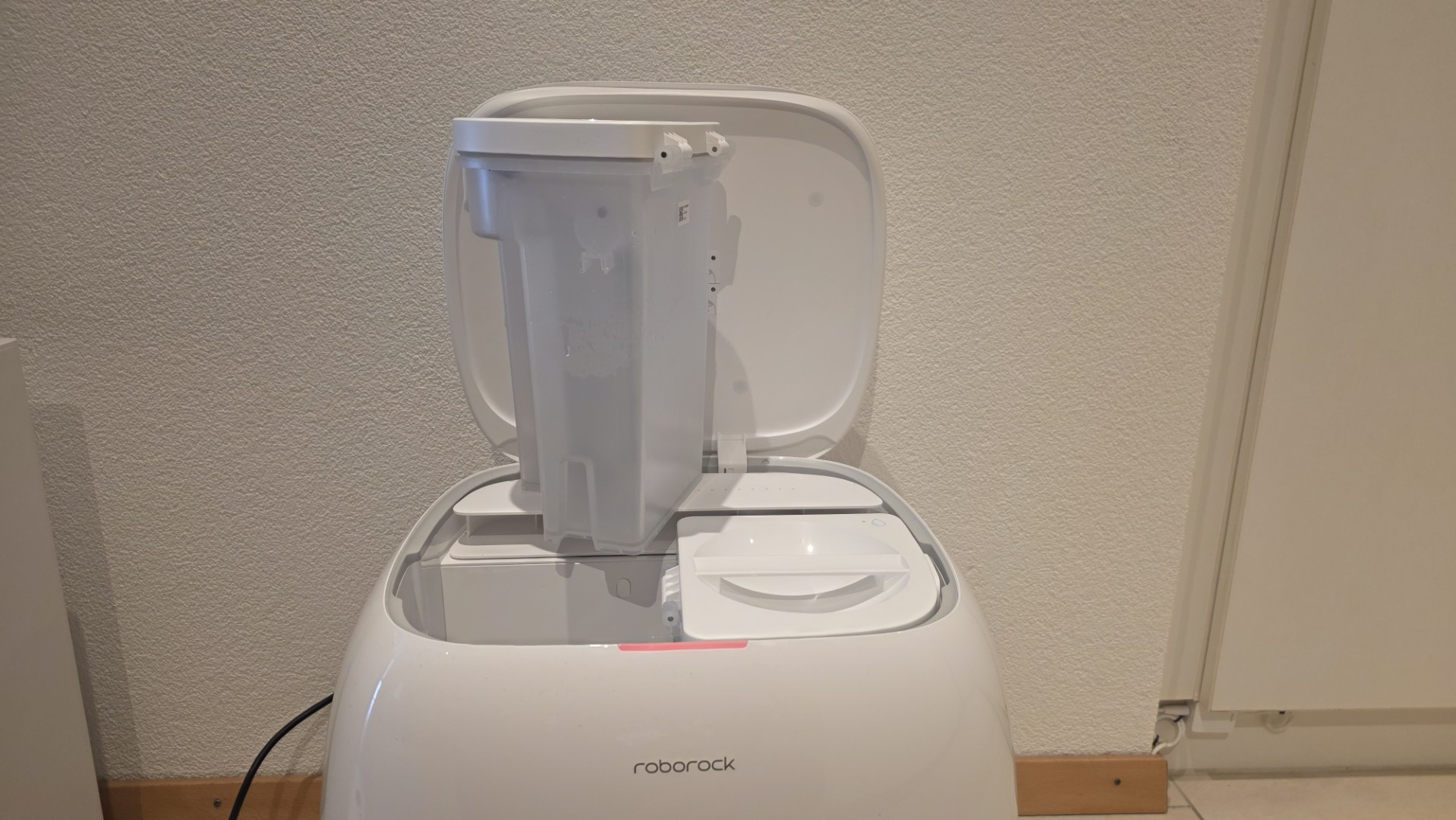
The Multifunction Dock 4.0 washes the roller at 75°C (ideal for grease) and dries it at 55°C. The noise while emptying the dust is acceptable, while the drying phase is definitely audible; it's not at the level of a hair dryer, but it's a noticeable hum (about 45 dB) that lasts for a couple of hours. What didn't we like? At this price, the lack of a dedicated soap dispenser (you have to manually dose it into the 4-liter clean water tank) and the lack of an extendable arm for the side brushes are noticeable, leaving a few crumbs in the sharpest corners.
Bottom line
The Roborock Qrevo Curv 2 Flow is the ultimate choice for those with a home dominated by tiles or other non-wood surfaces (water alone could eventually damage parquet) and want a clean that's worthy of the name. It's a tireless worker that never gets lost and offers deep customization, as long as you accept a few minor engineering flaws (that missing detergent tank is the thing that bothered us the most, given the otherwise excellent performance) and AI navigation that sometimes ignores objects that are too small.