
The gaming & tech site for Ticino and Italian-speaking Switzerland
The gaming & tech site for Ticino and Italian-speaking Switzerland
Tomodachi Life: A Dream Life

5.5
✓ What we like
- 🟢 Graphic Editor
- 🟢 Freedom on the island
- 🟢 Terraforming
What we don't like
- 🔴 It can get repetitive

It's been almost 12 years since Tomodachi Life debuted on Nintendo 3DS, yet it's one of those titles that's hard to forget. It immediately caught the attention and adored by audiences by offering something completely out of the ordinary: a life simulation as simple as it was unpredictable. Much of its appeal came from the Miis, the digital avatars introduced on Nintendo Wii in 2006, which allowed you to recreate yourself, friends, family, or anyone else you could imagine. They weren't just characters, but protagonists in their own little world, with thoughts, habits, and relationships that developed in often unexpected ways.
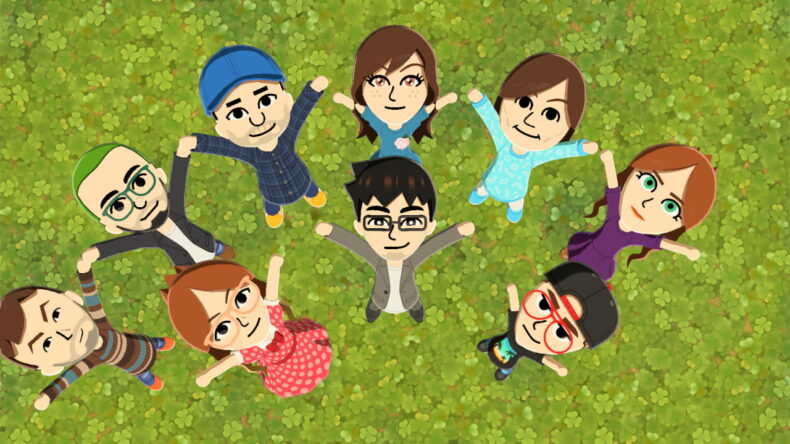
The curiosity of watching them live on that remote island, observing their interactions, discovering their tastes, and witnessing situations that quickly shift from the mundane to the absurd, was truly fun and exciting. Another strength of the title was the ability to share your characters with the community, via QR codes or by importing those obtained via StreetPass, the passive data exchange function between Nintendo 3DS systems. And perhaps that's precisely why Tomodachi Life quickly went viral: not so much for what it offered, but for the unique stories each character created, captivating both adults and children.
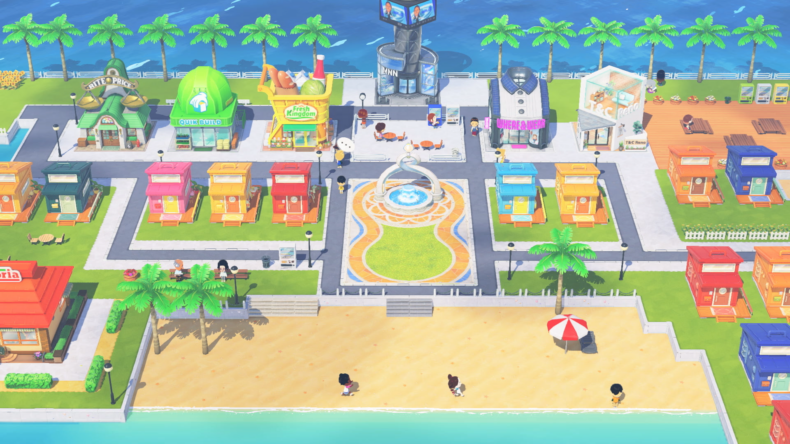
The return to the island
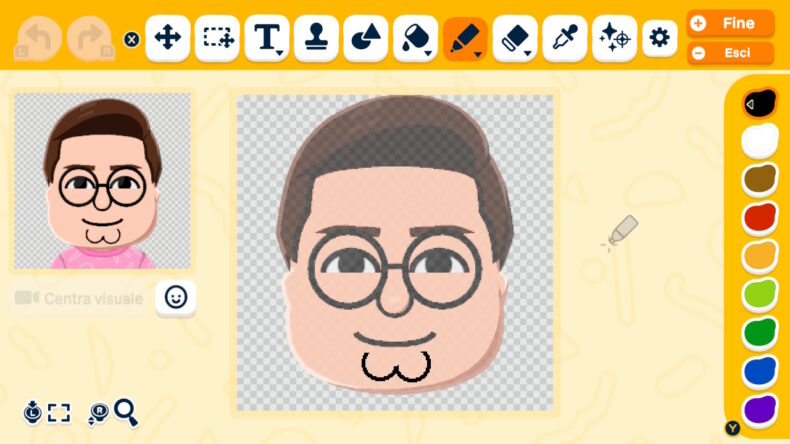
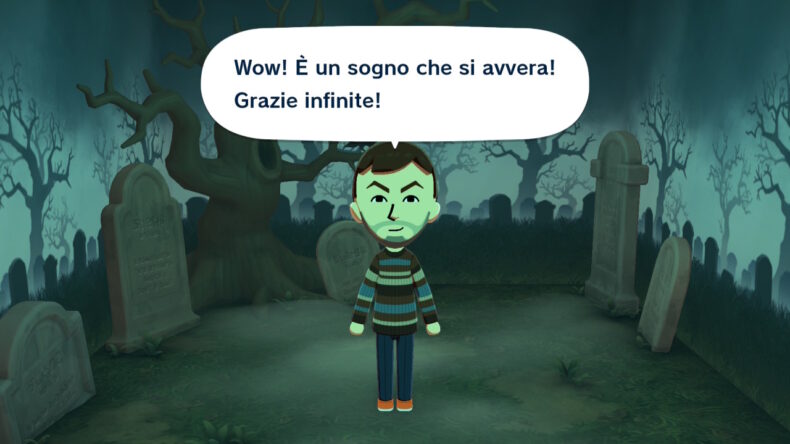
In Tomodachi Life: A Dream Life, the basic framework remains unchanged: you start by choosing the name of your island and then move on to creating your first character with the classic Mii editor. Here, you can define the facial features, eye shape, skin and iris color, as well as hair and eyebrows. The first innovations emerge already at this stage, with a wider color palette, hair shades, and many other details that allow you to customize your future inhabitant even more precisely. There are not only preset elements: you can also draw and directly modify the appearance of the face, using the console's touchscreen via the makeup menu. The editor, while simple and immediate, is surprisingly comprehensive, thanks also to the presence of grids and special effects that allow you to fully express your creativity.
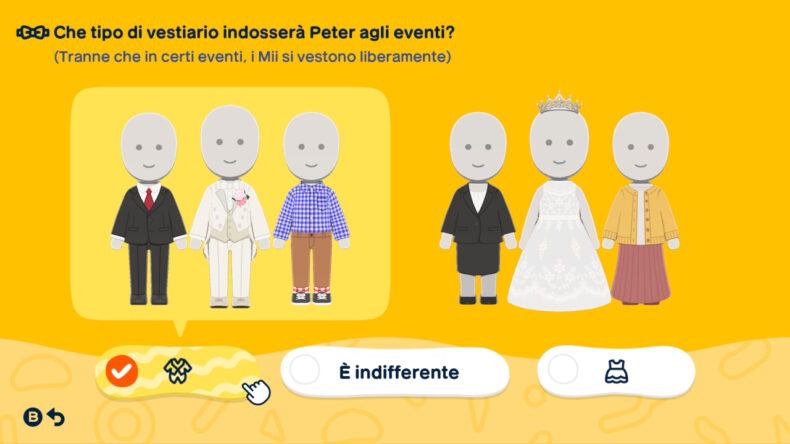
The creation process is then completed by defining the character's age, personality traits, and voice, which is also fully customizable, as well as their orientation and potential family ties with other islanders. These aspects introduce two important new features. The first, and very interesting, is the ability to choose the character's gender (male, female, or non-binary), along with pronouns (he or she), the orientation of their ideal partner, and even their preferred clothing style, thus allowing much greater freedom than before in defining their Mii's identity. The second new feature concerns family ties: it's possible to associate parents, grandparents, brothers, or sisters, creating pre-existing relationships that, in some cases, lead the characters to live together, especially if they are younger children.
Despite these initial settings, the inhabitants remain unpredictable and will, over time, decide who to bond with or fall in love with, giving rise to often unexpected situations within this unconventional simulation.
A fresh breath of air
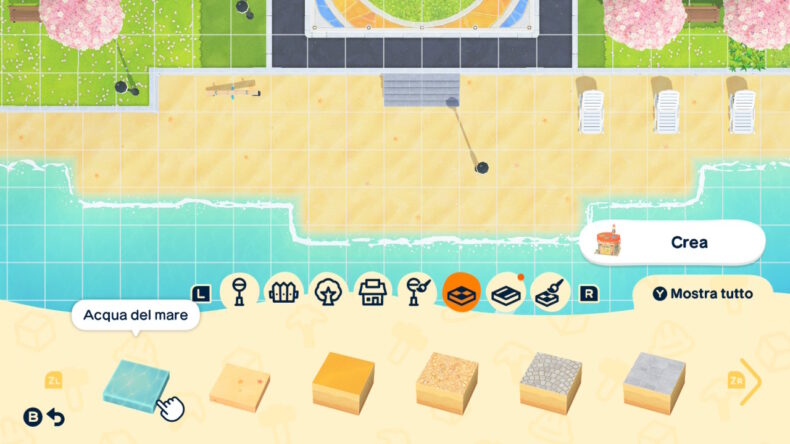
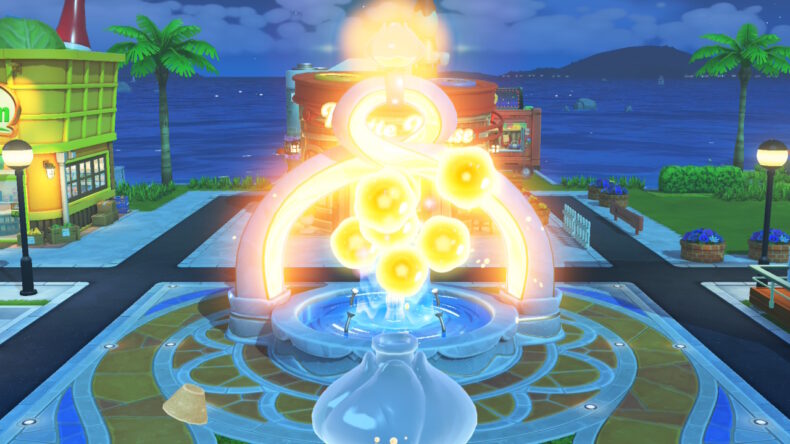
One of the most notable innovations in Tomodachi Life is the ability to experience the island with complete freedom, abandoning the apartment-based system found on the Nintendo 3DS. In its place, we find a more open environment, with various meeting places, where you can not only decide where to place the inhabitants' homes, but also directly intervene on the island through a "terraforming" system. As you progress through the game, thanks also to the wishing fountain, which acts as a veritable town square, you can obtain new decorative items, land, and structures. The houses themselves can evolve over time, especially when the inhabitants begin living together, offering an even more dynamic and engaging vision of domestic life.
After assigning a home to the first resident and defining their name and appearance (which will influence how others address them, often breaking the fourth wall), the game gets going. The goal becomes fulfilling the residents' requests: providing them with new clothes or accessories, feeding them, or offering advice on relationships with other citizens. They'll often ask for help in making or strengthening friendships, though this doesn't guarantee success: it all depends on the characters' compatibility. Completing these requests earns wish points, which can be used in the fountain to obtain various rewards, including new room styles and additional behaviors that influence the residents' speech. Furthermore, residents can level up, unlocking the ability to receive special items, such as new hobbies (e.g., jogging), behaviors, poses, and even changes in the way they speak, both to the player and to other residents. All of these elements contribute to making each character increasingly unique over time.
Another interesting new feature is the ability to directly "pick up" citizens and move them around to have them interact with objects, places, or other inhabitants. The interactions, as always highly comical and unpredictable, are sure to be hilarious, especially thanks to the ability to insert custom words into dialogue. Currently, there doesn't appear to be a real filter on what you can write, so there's plenty of room for creativity without too many limitations. Last but not least, there's a graphics editor, the same one used to create Miis. In this version, as you progress through your adventure on the island, you can unlock new and interesting features that allow you to create food, clothing, home interiors and exteriors, and much more. Often, you'll start with previously acquired objects, modifying their appearance and adapting them to your taste. In short, there's truly no limit to your imagination, and you can expect your most original creations to be shared on social networks and in various dedicated blogs. If you love drawing and experimenting, this is undoubtedly one of the most successful and fun features of the entire experience.
Conclusion
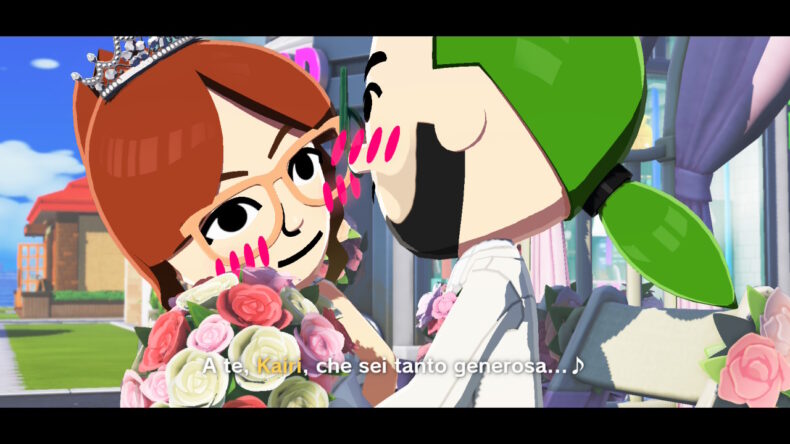
Tomodachi Life – A Dream Life is a game that can keep you hooked for hours, thanks to the many dynamics that unfold in the company of its characters, including family members and virtual creatures, on this new island. I find it particularly courageous, especially on Nintendo's part, to include unconventional orientations and identities, making the experience more inclusive and capable of speaking to an even wider segment of gamers. At the same time, the ability to shape the island and create virtually any style you can imagine helps make the game even more unique and personal. While this freedom is its strength, some gameplay can become repetitive over time for those seeking more structured objectives or a more defined progression.

If you're looking for a lighthearted and fun experience where life continues to unfold even when the console is turned off, this new version of Tomodachi Life is definitely a great choice. What's more, to the delight of many, the title is fully compatible with Nintendo Switch and Nintendo Switch 2.
Finally, I recommend checking out the Nintendo Today app, available on iOS and Android devices, where you can find inspiration, content, and information about the game.
