
The gaming & tech site for Ticino and Italian-speaking Switzerland
The gaming & tech site for Ticino and Italian-speaking Switzerland
Samsung Galaxy S26 Ultra

✓ What we like
- 🟢 Snapdragon Performance
- 🟢 Privacy Display (but not for everyone)
- 🟢 Horizon Lock video stabilization
- 🟢 Seven years of guaranteed updates
What we don't like
- 🔴 No Qi2 magnetic charging
- 🔴 100x zoom is often useless
- 🔴 Same battery for years
It's that time of year again when Samsung launches its technological “cannon” in an attempt to sink the competition.

This year, the Galaxy S26 Ultra arrives in a market that seems to have reached peak hardware boredom, attempting to shake things up with a couple of tricks up its sleeve that, let's be clear, will have display purists talking.
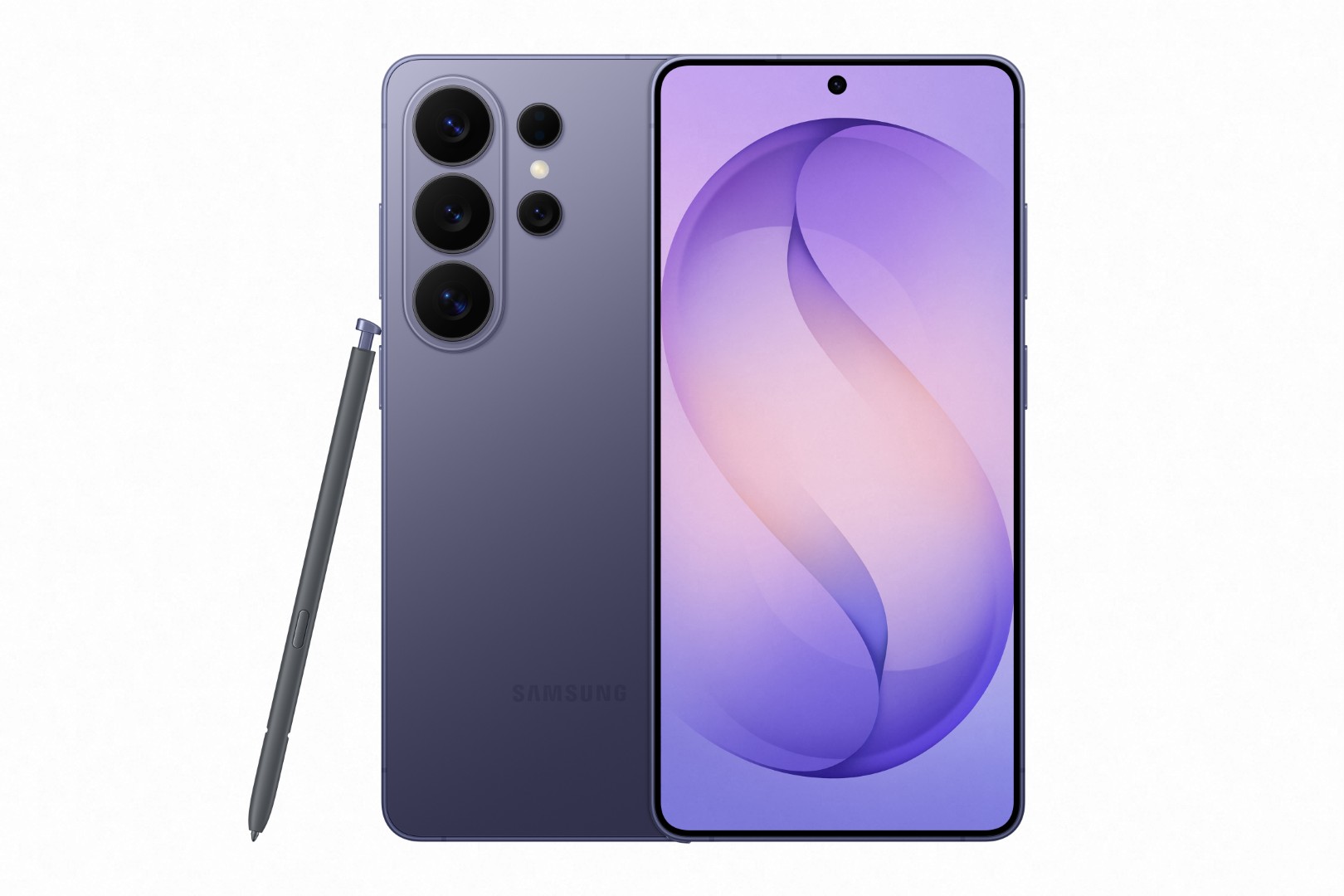
Aluminum and rounded corners: peak Galaxy?
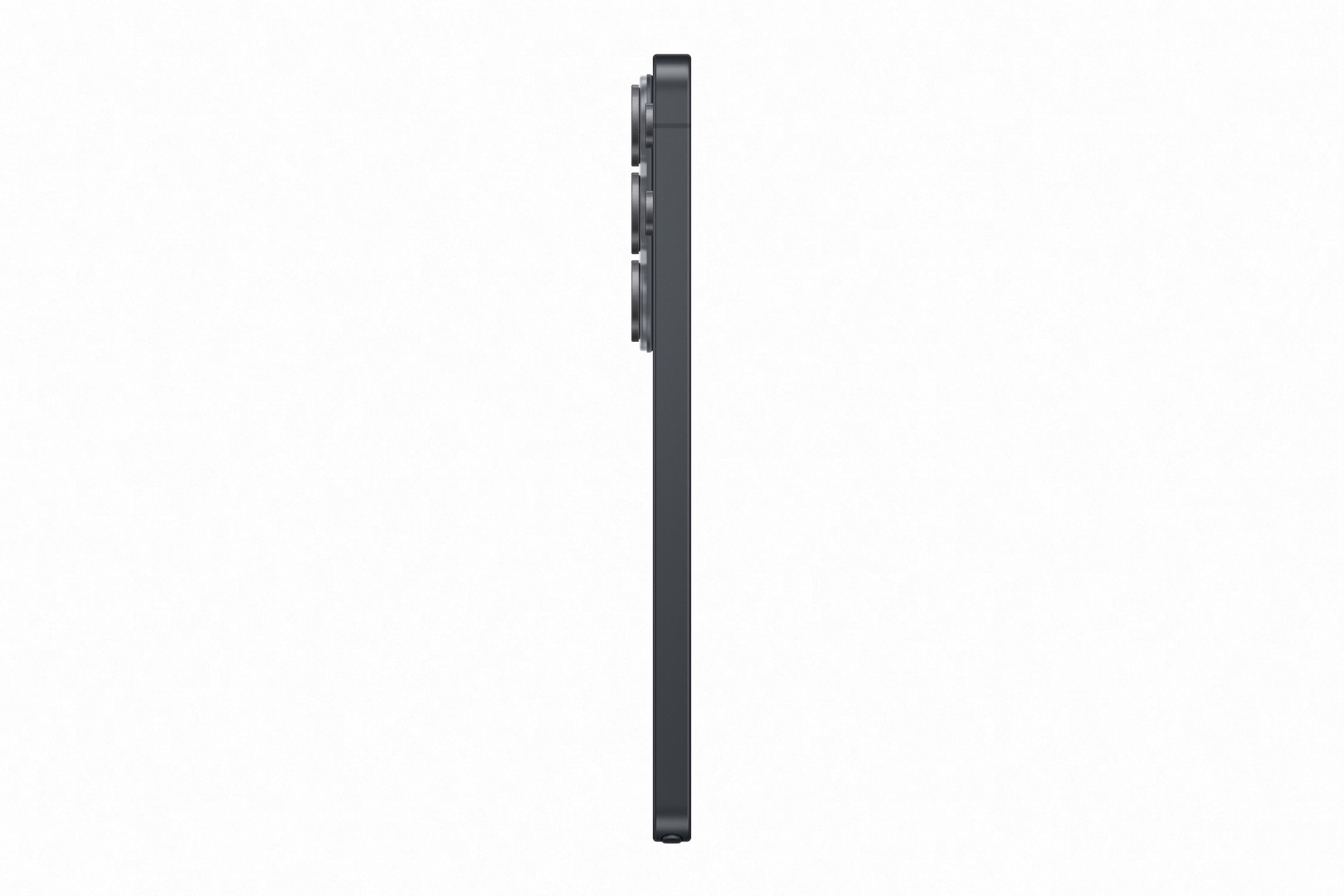
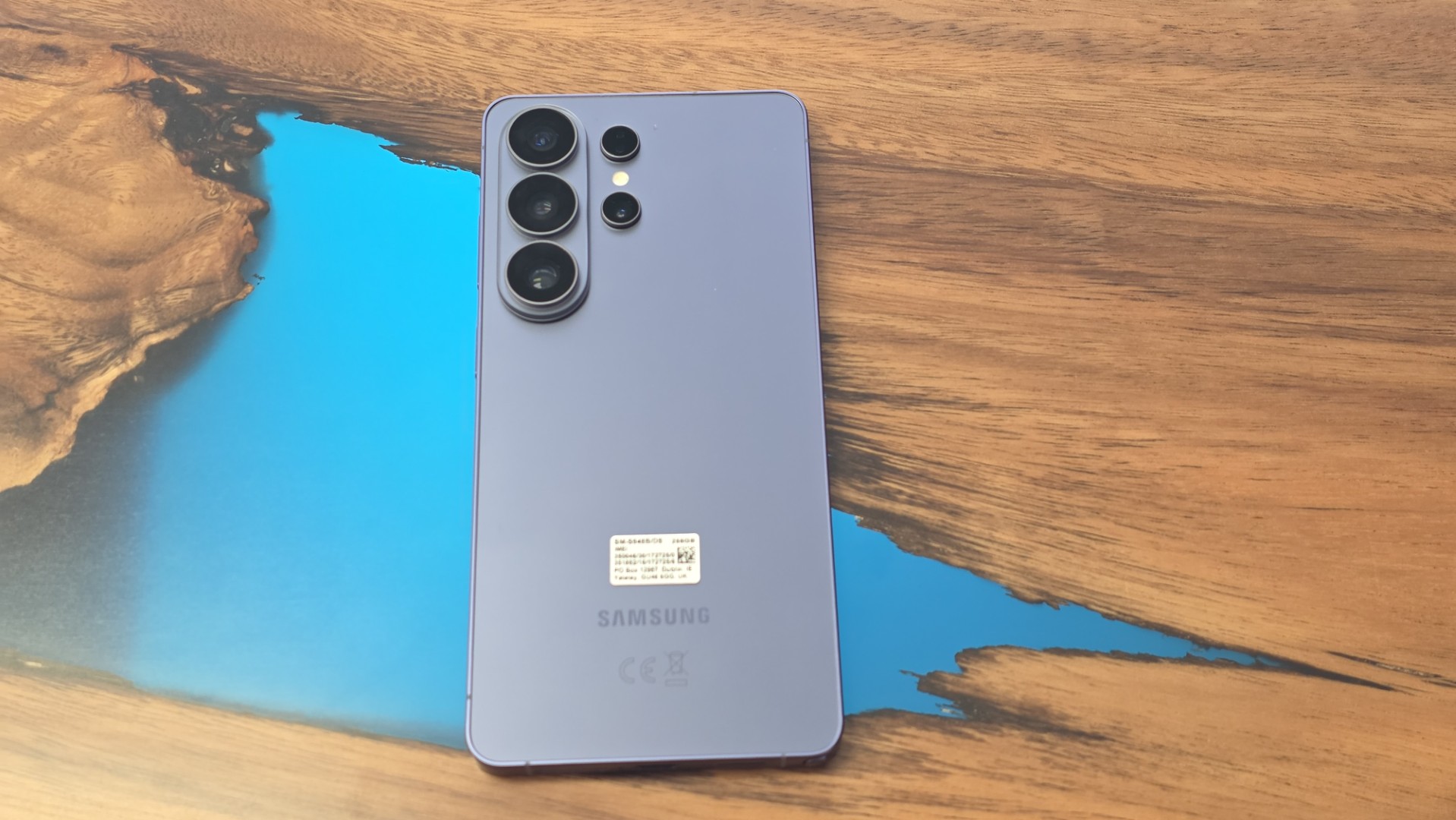
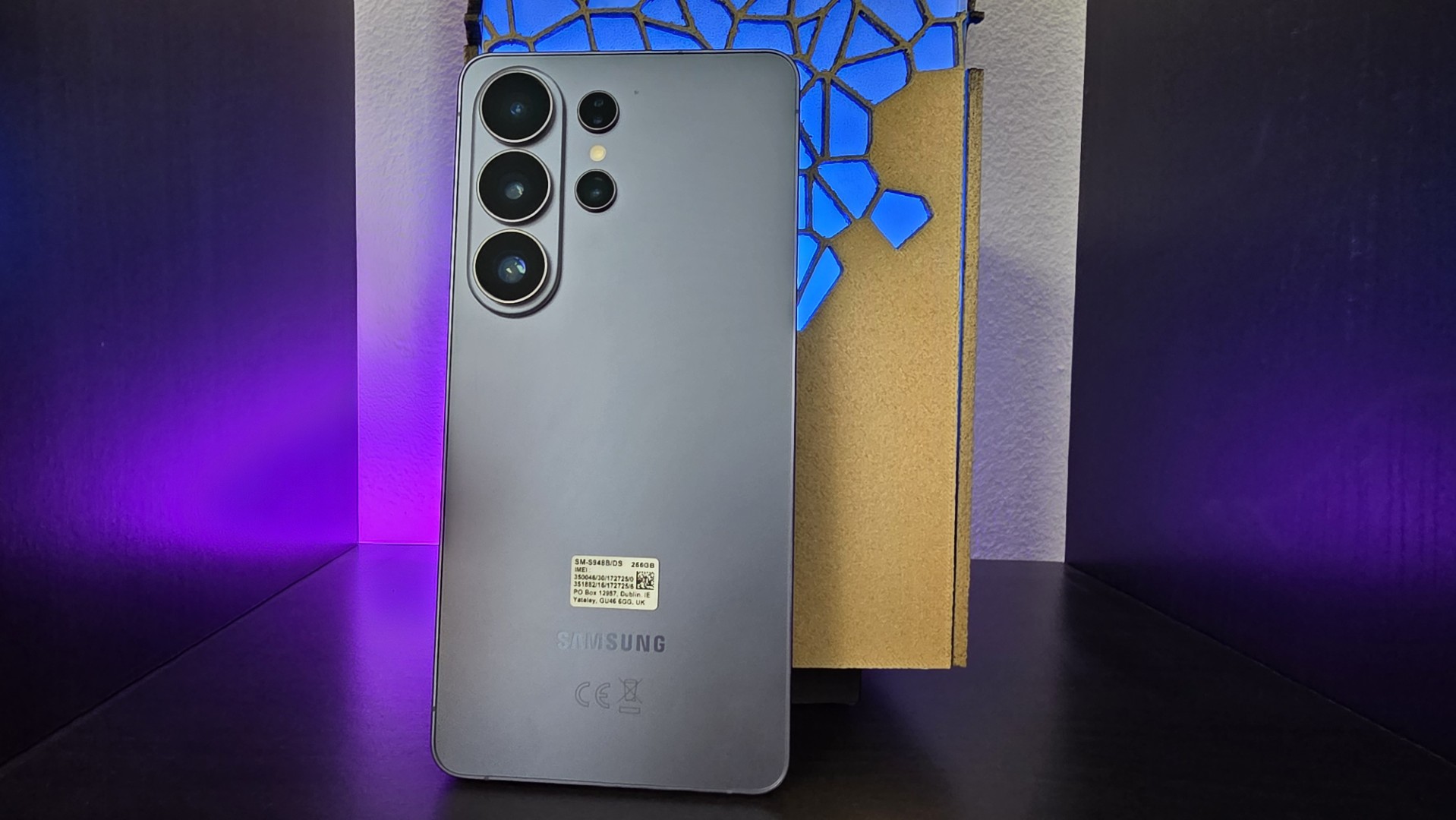
The first thing that catches the eye, or rather, the hand, is the return to Armor Aluminum. After just two years of using titanium, Samsung decided to backtrack, officially for reasons of recyclability and thermal dissipation, but unofficially because chasing Apple on every single material choice was probably becoming redundant. The result is a slightly lighter (214 grams) and thinner (7.9 mm) phone, which abandons the "tile" look for more rounded corners that won't puncture your trouser pockets.
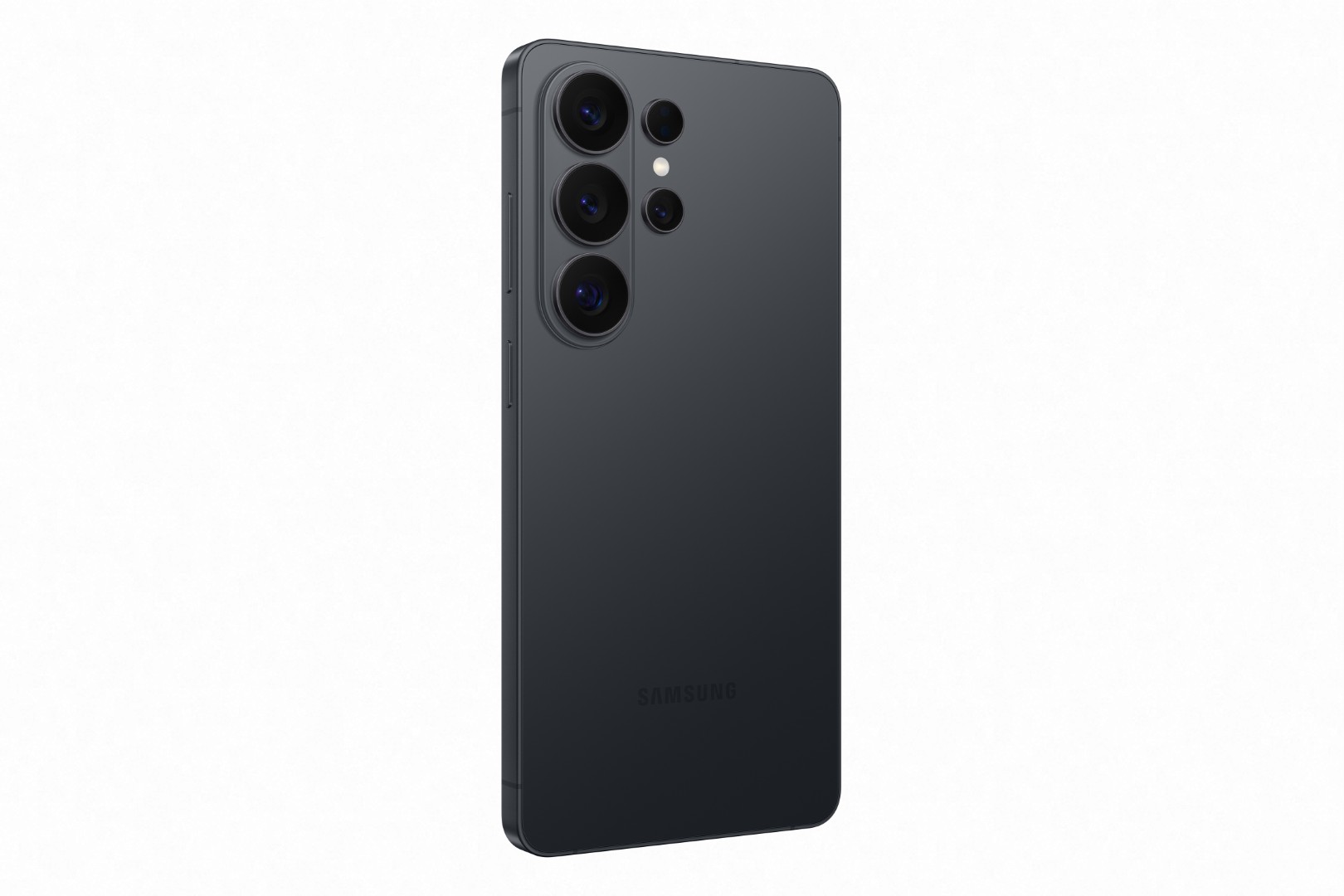
However, the age-old problem with the camera module remains: it protrudes so much that the device wobbles uncomfortably if you try to type while it's resting on the desk (a decidedly un-Ultra experience). A negative note for the S Pen: the head isn't perfectly flush with the frame, making it prone to accidental ejection if you're one of those people who handle their phone less than gracefully.
Privacy Display: Innovation or Just a Gimmick?
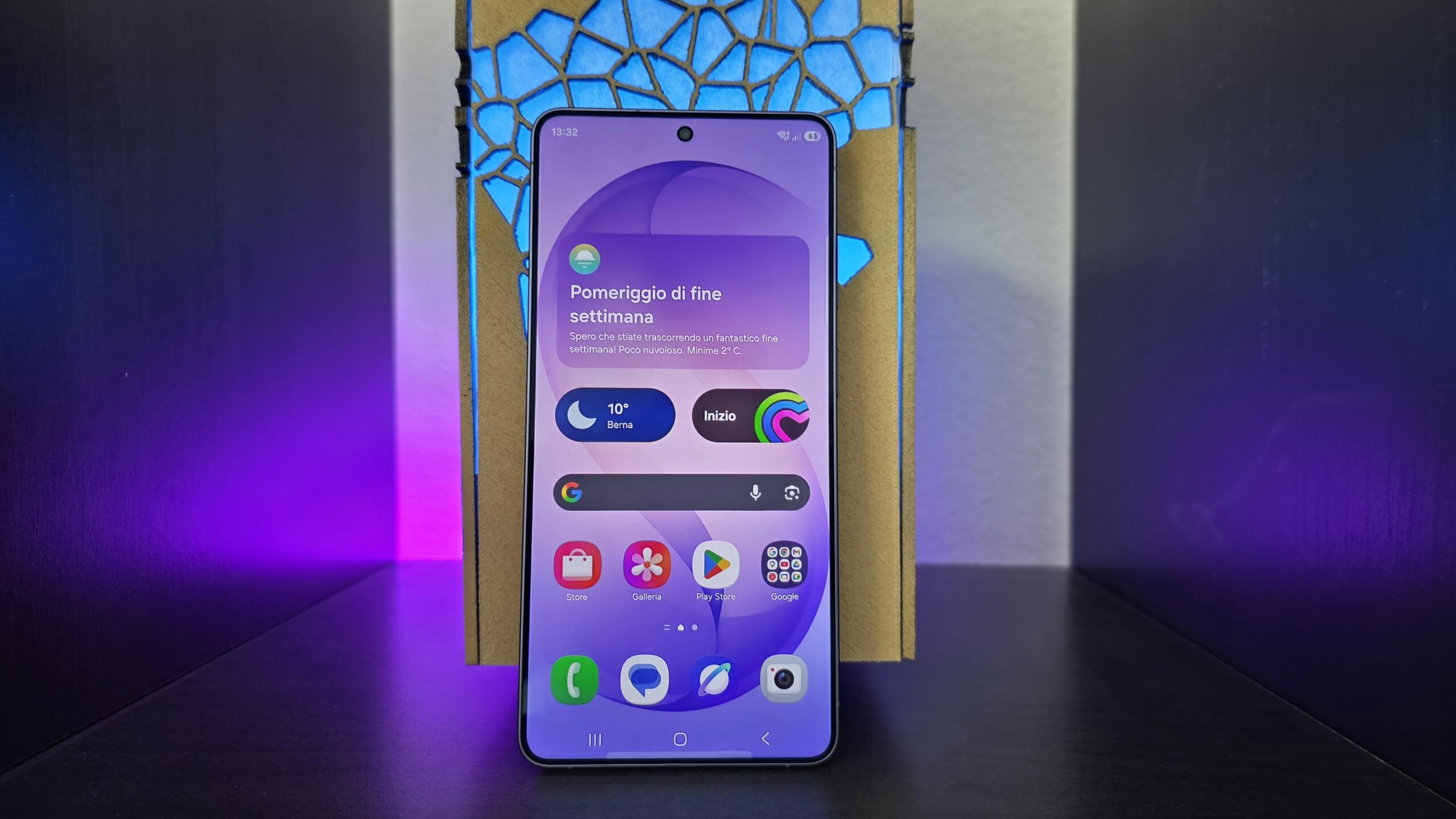
The real star (and at the same time the villain) of this generation is Privacy Display. Samsung has integrated a hardware filter that, via a toggle, allows you to darken the screen for anyone who isn't looking directly at it. It's a godsend if you regularly check your bank statement on the train or if you're worried about the person sitting next to you reading your embarrassing messages, but the technical compromise is significant.
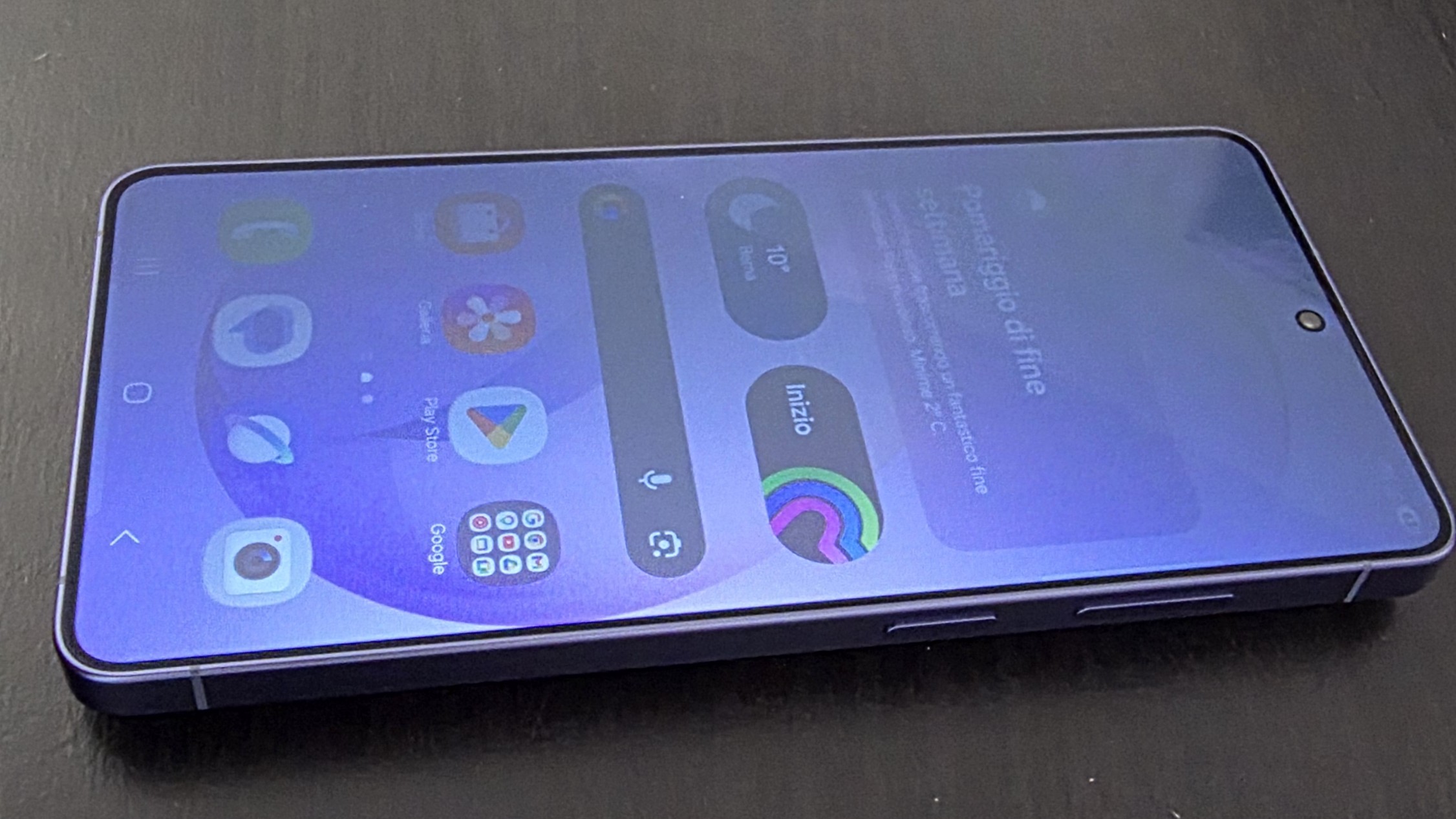
When active, brightness drops dramatically and colors become washed out; even when turned off, the pixel structure required to make this magic work makes viewing angles slightly worse than the S25 Ultra. For most users, it remains a gimmick, but we have to give Samsung credit for trying to bring something truly new to an industry where nowadays only the processor number changes.
Raw power and record-breaking silicon
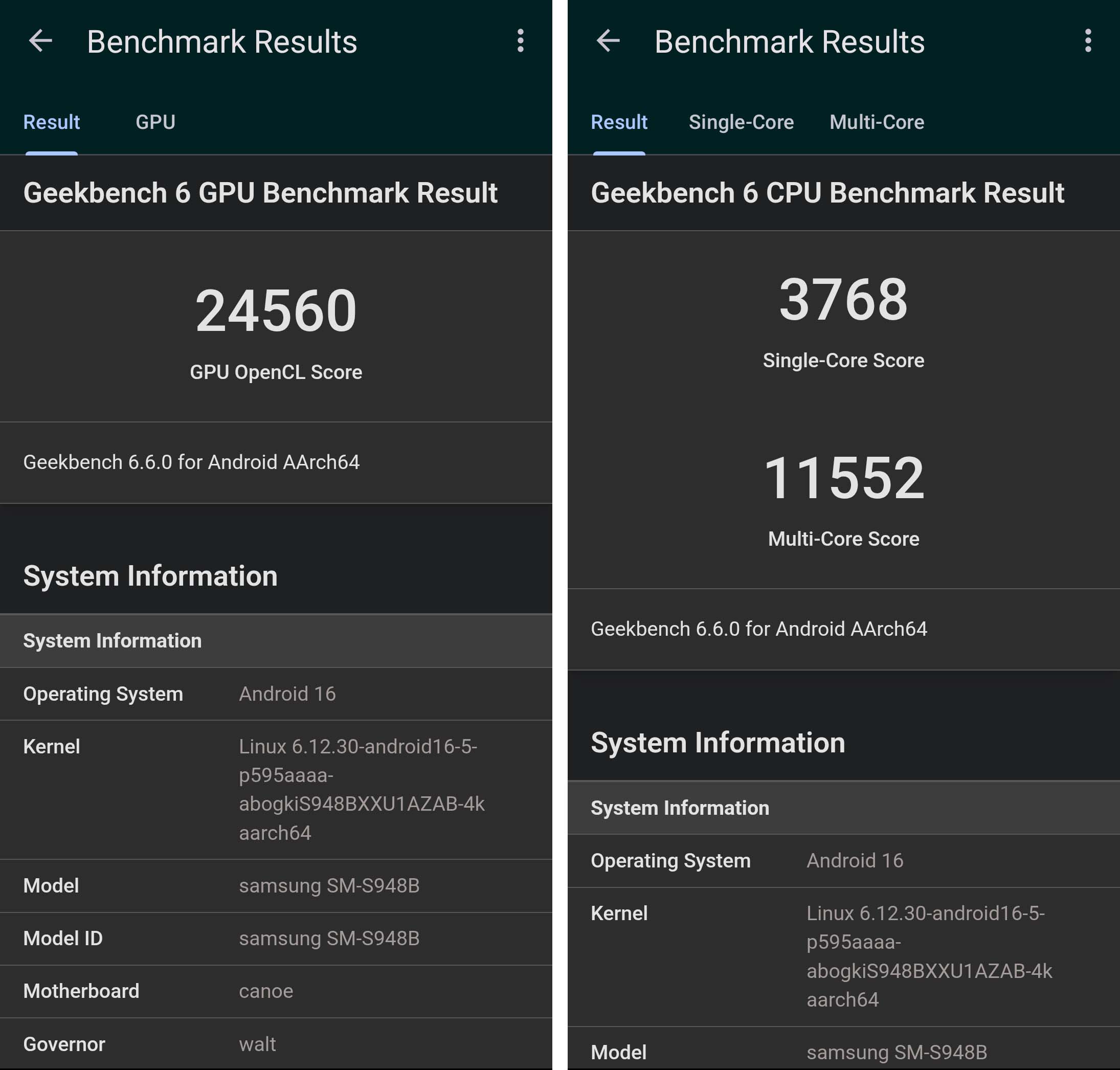
Under the hood of the Galaxy S26 Ultra is the Snapdragon 8 Gen 5 Elite for Galaxy. Built on a 3nm process, this chip is a true powerhouse that has finally closed the historic gap with the competition. Our latest tests on Geekbench 6 show impressive results: the device has shattered previous records, achieving a single-core score of 3,768 and a multi-core score of 11,552, exceeding even the already very high initial expectations. The graphics performance is also very good. The OpenCL GPU benchmark returned a score of 24,560, confirming that the integrated GPU is ready to handle any workload without hesitation, from 8K video editing to the most extreme gaming. The SoC is accompanied by 12GB or 16GB of LPDDR5X RAM, while storage relies on the UFS 4.0 standard with capacities up to 1TB.
Thermal management has been entrusted to a redesigned vapor chamber, now thinner but spread over a larger surface area. This allows for more efficient heat dissipation of the 25% than the previous generation, maintaining high sustained performance without localized overheating. On the software side, One UI 8.5 (based on Android 16) introduces advanced features such as Now Nudge for contextual suggestions and the new Gemini automations, capable of interacting directly with apps for complex tasks. The only downside is the Samsung keyboard, which remains technically inferior in precision and dictation compared to solutions like Gboard.
Photography: Between Magic and Uselessness
The camera department is, as always, excellent but familiar. The 200MP sensor now has an f/1.4 aperture that captures almost 50% more light, making night shots really clear. The real new feature is Horizontal Lock: you can literally rotate the phone 360° during a video and the horizon will remain perfectly straight.

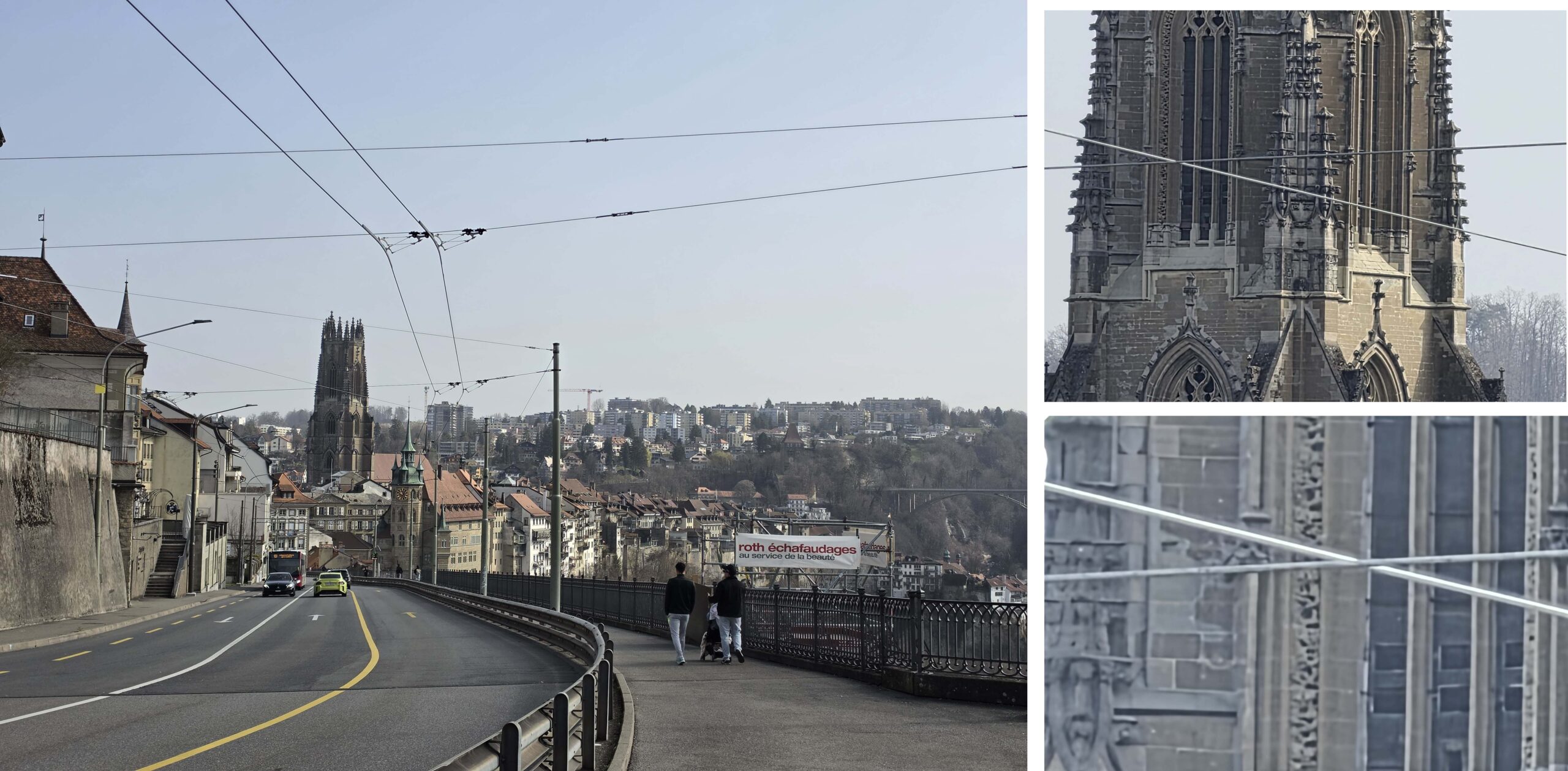
However, let's be honest: the 100x zoom remains a practically useless exercise in style on the 99% in most cases, turning subjects into digital watercolor paintings beyond 30x. Video in APV format (the rival to ProRes) is excellent, although a minute of footage will eat up almost 7GB of your memory.
Autonomy and conclusions
Samsung continues its 5,000 mAh tradition (read: stubbornness) for the seventh consecutive year. While Chinese brands are starting to pack enormous batteries, Samsung is focusing on chip optimization, managing to squeeze out around 15 hours of video playback.
On the plus side, wired charging finally reaches 60W (761 watts in half an hour), but the lack of native Qi2/MagSafe magnets is incomprehensible in 2026, especially on a 1200-franc device. Ultimately, the S26 Ultra is the best smartphone Samsung has ever produced, solid and supported for 7 years, but it's an update that shines more for its reliability than for any real revolutionary spirit.
