
The gaming & tech site for Ticino and Italian-speaking Switzerland
The gaming & tech site for Ticino and Italian-speaking Switzerland
Pokémon Pokopia

5
✓ What we like
- 🟢 Ditto, as the protagonist, is simply brilliant
- 🟢 It has everything you would expect from this genre
- 🟢 The gameplay tied to habitats, as well as the verticality of the maps, are a plus
- 🟢 Well-implemented online and local multiplayer...
What we don't like
- 🔴 ...but there's no local co-op on the same console.
- 🔴 The FOMO typical of the Pokémon brand with exclusive and limited-time events is also here
- 🔴 The background soundtrack could have dared to do something more
- 🔴 Please note: the retail game is a game key card
Pokémon Pokopia It's the kind of crossover that rekindles the passion of that segment of the fandom that doesn't necessarily follow the main series games. Indeed, there have been many experiments over the last few decades, but this one Pokémon Pokopia It is certainly the most interesting. Belonging to the block builder (or building sim) genre, Pokopia is not a survival game Minecraft, but tells the world of Pokémon from the point of view of the little monsters following the disappearance of human trainers, drawing inspiration from titles such as Animal Crossing: New Horizons, Minecraft or similar life simulators. More than a project pulled out of the hat by The Pokémon Company, this title winks at productions like Dragon Quest Builders 2. Convinced, in our opinion, by the talent of the teams that supported Square Enix, namely Omega Force (Koei Tecmo), The Pokémon Company proposes its own similar title but with only Pokémon as protagonists. In the last two weeks, the Pokopia phenomenon has gone literally viral on social media and is establishing itself as the game that could allow Nintendo to sell the new Nintendo Switch 2 (NSW2) like hotcakes. After several hours with the title, we believe the experience already expresses enormous potential: there's no better way to approach the new console than with Pokémon Pokopia.
A desolate Kanto without trainers
The era when the Pokémon series was limited to versions where the little monsters only had to fight is long gone. Pokémon is now a multi-genre brand offering a wide variety of experiences, enriched by numerous crossovers born since the brand's inception. The choice to offer its own cozy game (that is, a quiet game where everyone progresses at their own pace and without pressure to follow the story) is perfectly suited to the current market, where large and small productions are released daily, leaving little room for those, like myself, who work at 100% and have (very drastically) reduced their time for gaming. Drawing inspiration from the most popular games of the moment, such as Minecraft, Terraria o Animal Crossing: New Horizons, is the most obvious way to gather consensus in our opinion. If everything is developed by Omega Force, already known for technically good quality titles, the production automatically gains points also from a technical point of view (we ask forgiveness to Game Freak, but in light of the latter's recent productions, it is the reality that the team does not shine for its technical skills). As a first Pokémon sandbox experiment, we'd definitely recommend it, albeit with some reservations.
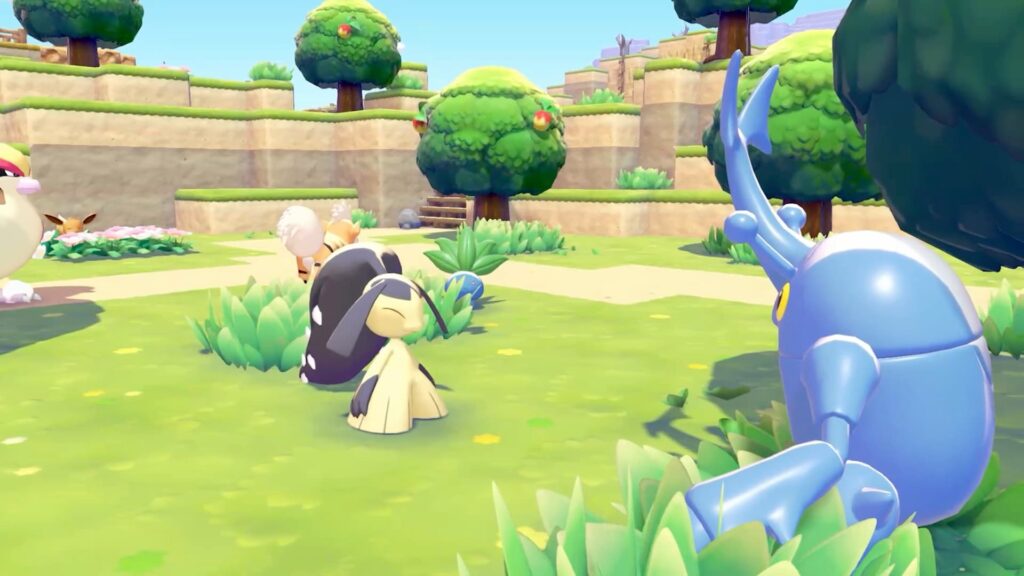
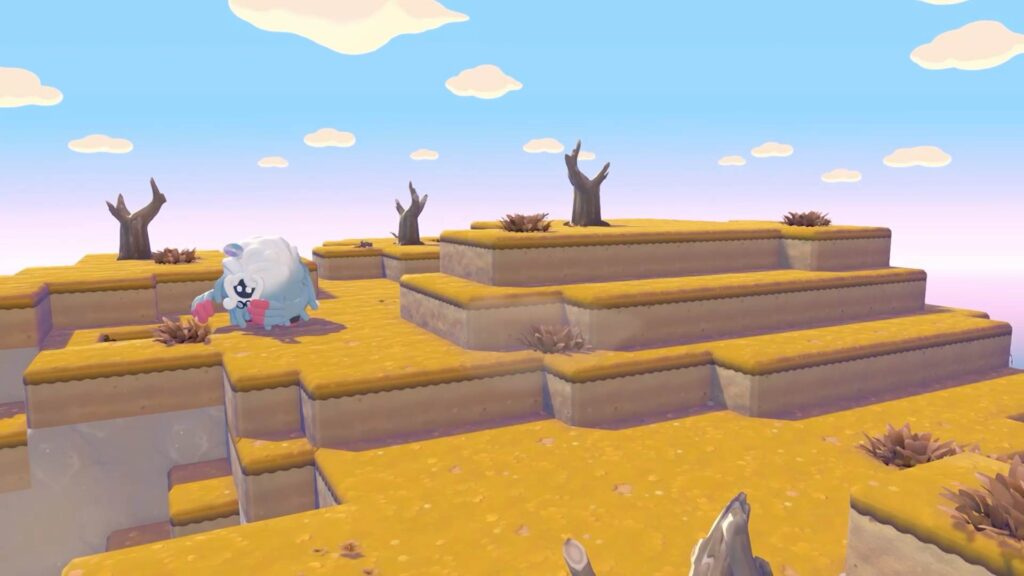
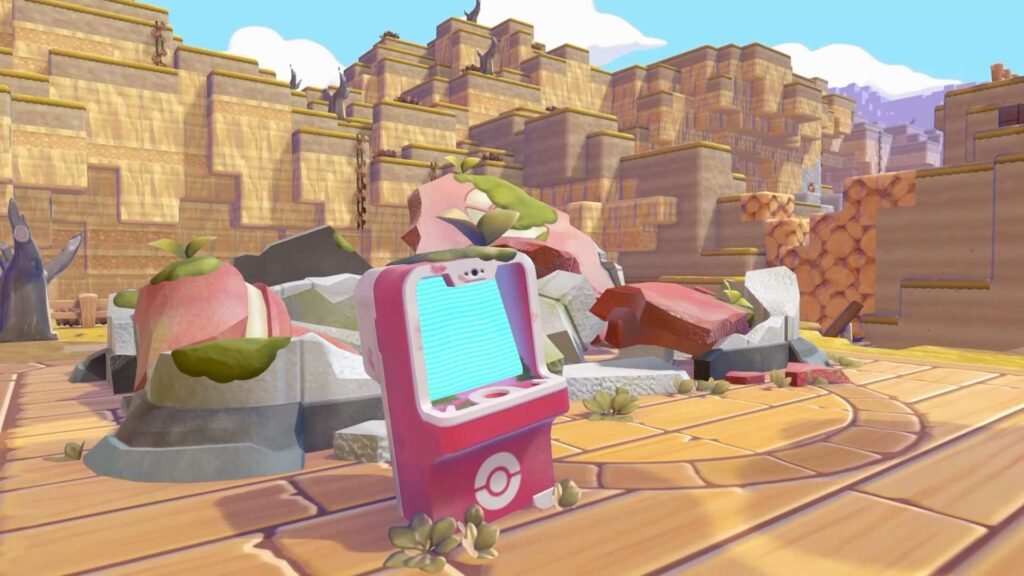
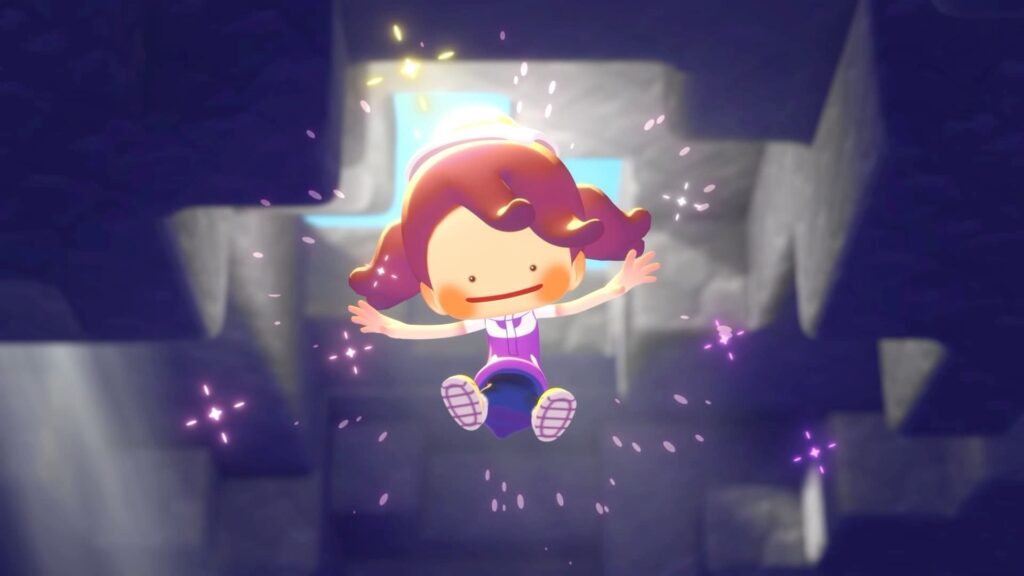
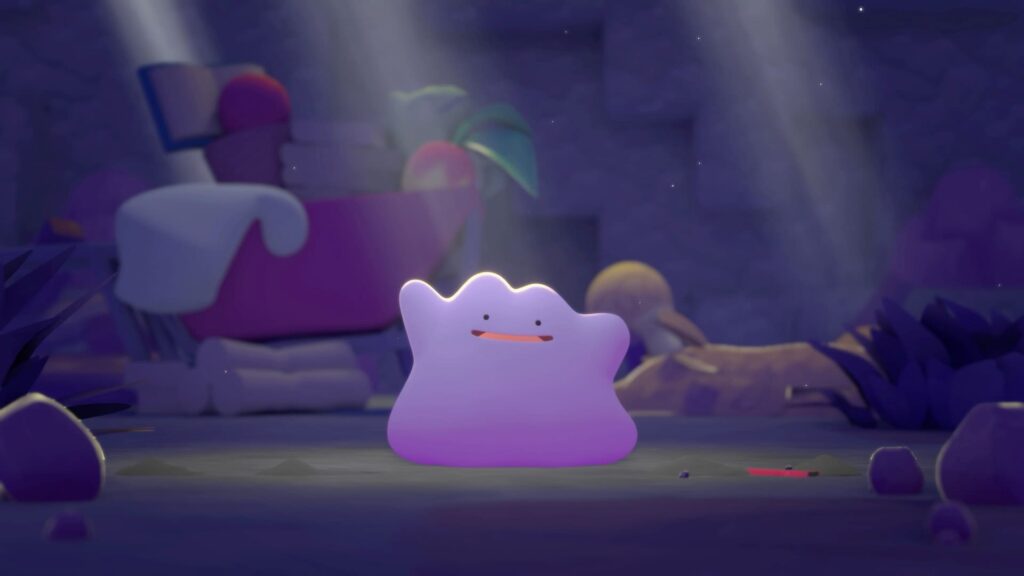
The game begins with you playing as one of the most recognizable Pokémon: not Pikachu, Bulbasaur, Charmander, or Squirtle, but Ditto. Who better than the quintessential mutant or shapeshifting Pokémon to play the role of explorer in a world struck by a hypothetical cataclysm in which humans have vanished? Well, among the 1,025 known species (and counting, after the announcement of the tenth generation last February), Ditto takes center stage. Not surprisingly, Ditto not only replicates the opponent's moves, but is also able to take on human form: precisely, our avatar. This choice changes the series' historical motto: from the classic Gotta catch 'em all to the most exotic and sought-after bring them all back. That said, Pokopia doesn't offer a classic capture system, but an ingenious way to complete the Pokédex while remaining faithful to the game concept. The more you meet the conditions for Pokémon to return (by creating ad hoc habitats via the Habitatdex available in the menu), the more opportunities you have to exploit the game's potential. From the start, the mechanics engage and constantly reward the player by making new Pokémon appear on the map. Ditto, in fact, will be tasked by Professor Tangrowth in bringing as many species back to the wasteland as possible, rebuilding the destroyed environment and advancing the story to shed light on the disappearance of humans in the region of Kanto (the historic region of Pokémon Blue, Red, and Yellow).
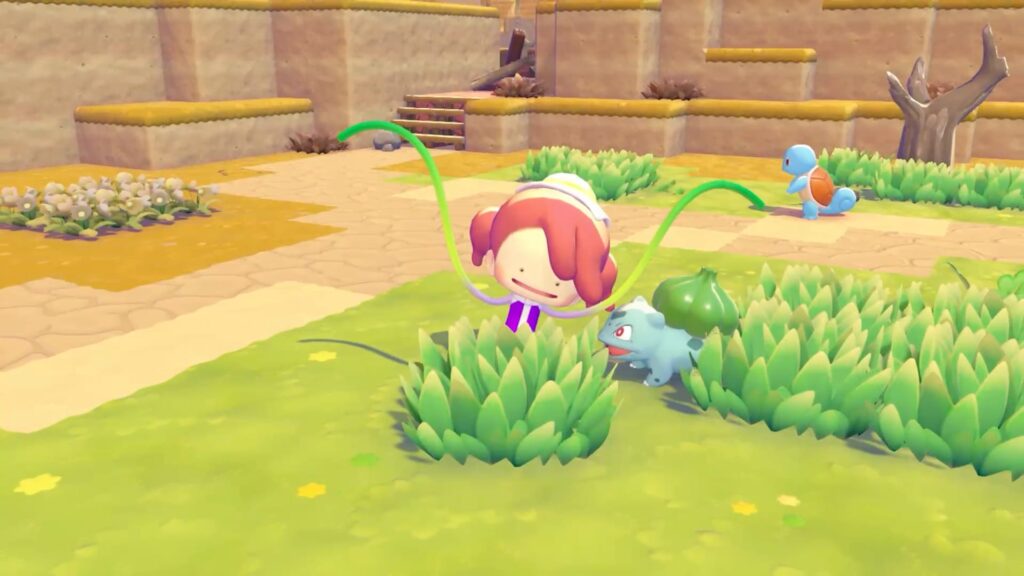
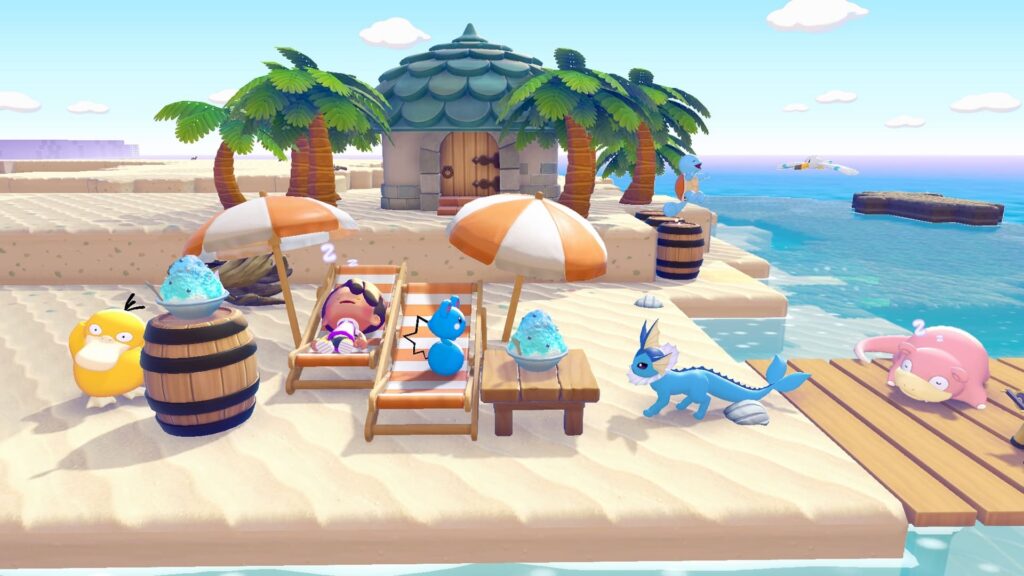
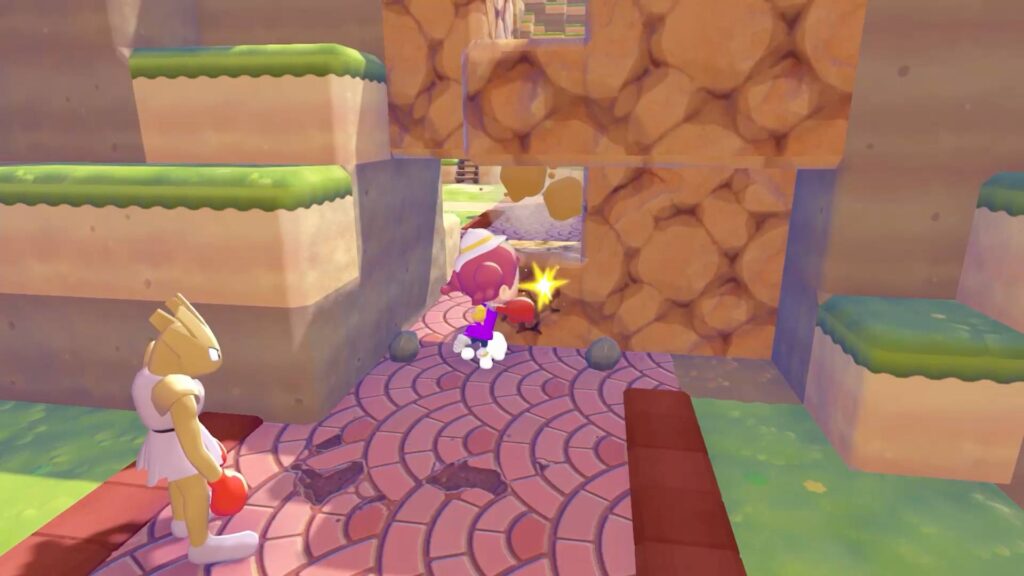
From that moment on, you find yourself on a path that leads to long gaming sessions that are hard to avoid, in a dopamine spiral that those over 30 like me will struggle to counteract. Jokes aside, I personally belong to that group of players who understand the effectiveness of the formula. Animal Crossing. Fortunately, Pokopia lacks the survival component that would undermine the pace of the game. In other words, there are no time limits or instant deaths at nightfall. On the other hand, it must be noted that FOMO (Fear of Missing Out) is well present in this spin-off, characterized, in essence, from timed events to bring back exclusive Pokémon by creating specific habitats. This requires a "race" in creating specific habitats to obtain event Pokémon that the brand has now accustomed us to with other games (think of Pokémon GO or to the Mega Evolution stones in Pokémon Legends: ZA). A prime example of this FOMO is the evolutionary line for Hoppip, Skiploom, and Jumpluff, available only until the end of this month. After that period, they will no longer be available to be brought back into the game world (unless the publisher decides otherwise). It's a policy we could have done without... what a shame.
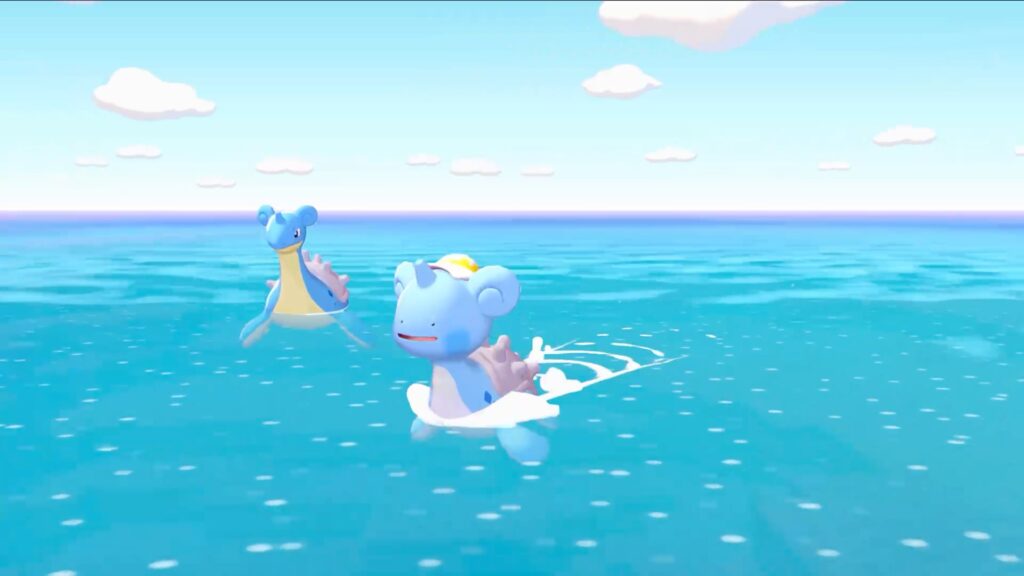
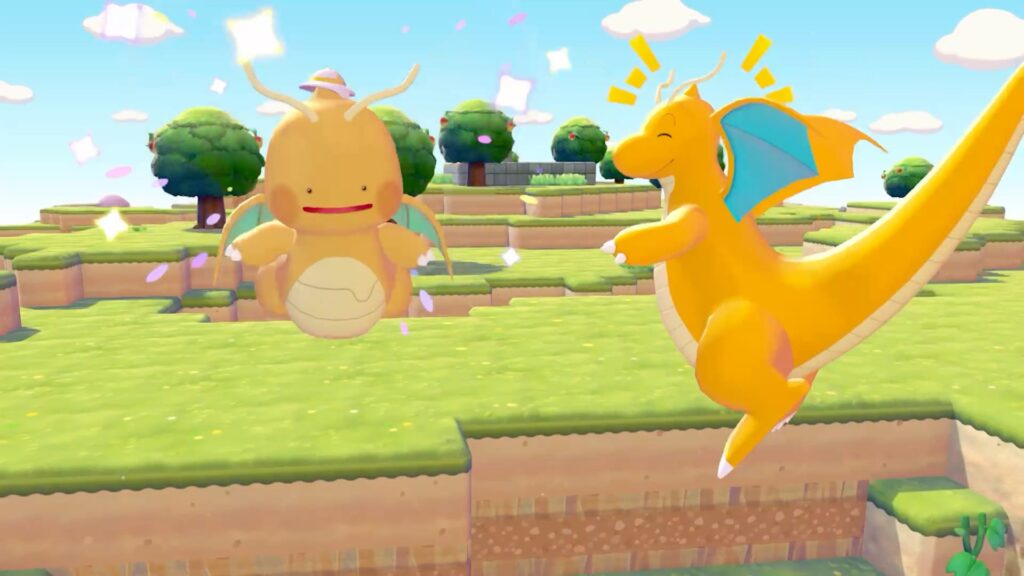
Pokémon Pokopia gives a nod to Minecraft and Animal Crossing, becoming a Block Builder with its own identity
Anyway, getting back to our cute Ditto, he can transform into a human and, by befriending Pokémon, learns useful moves like Water Gun, Cut, or Rock Smash. Thanks to the protagonist's varied moveset, Pokémon Pokopia It draws a guideline from which, however, it likes to distract us. In the sense that there are many things to do and the experience is quite heterogeneous, almost reminiscent of a title like Fantasy Life of Level-5, but without classes. There's an inexhaustible source of objectives, items to collect or craft, and a myriad of requests to fulfill, from the most basic to the most personal. The more Pokémon species you collect, the more possibilities expand: new resources, complex items, and so on. As it stands, you'll hardly ever get bored.
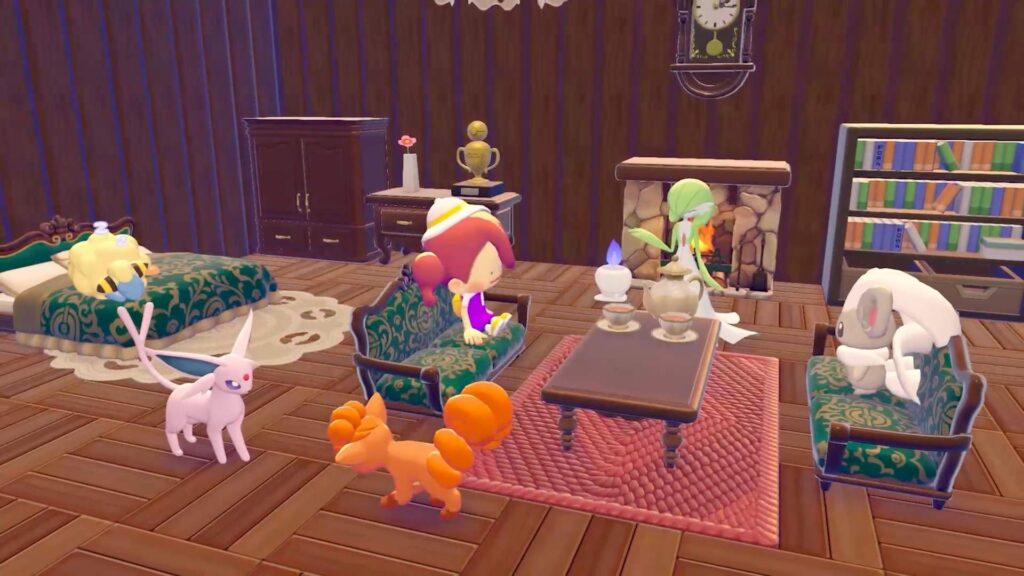
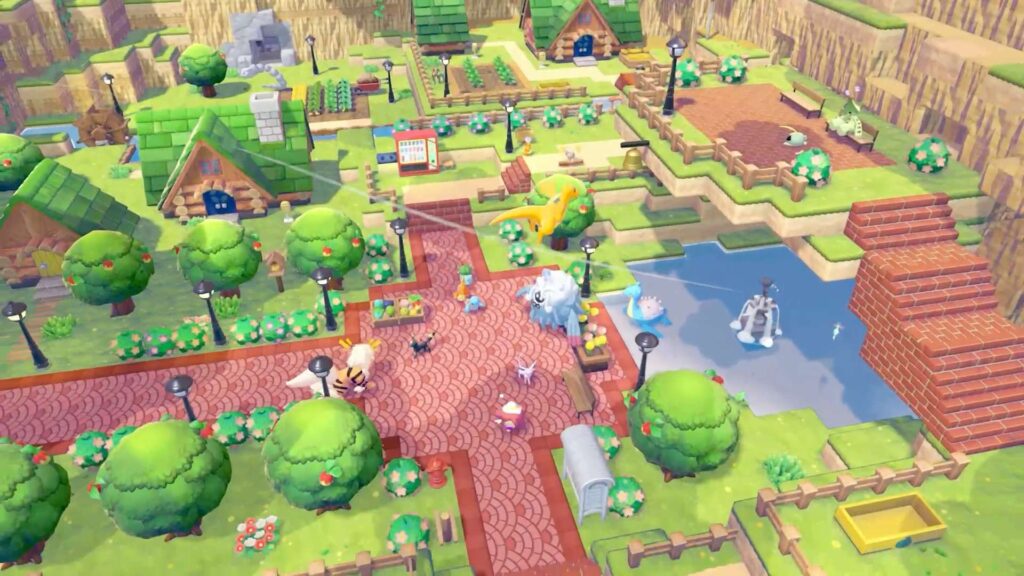
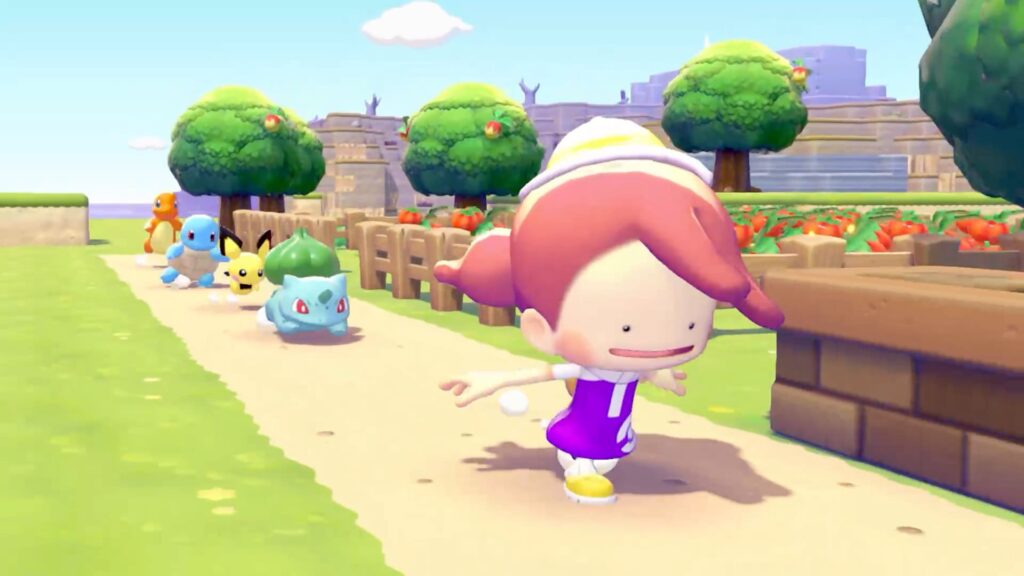
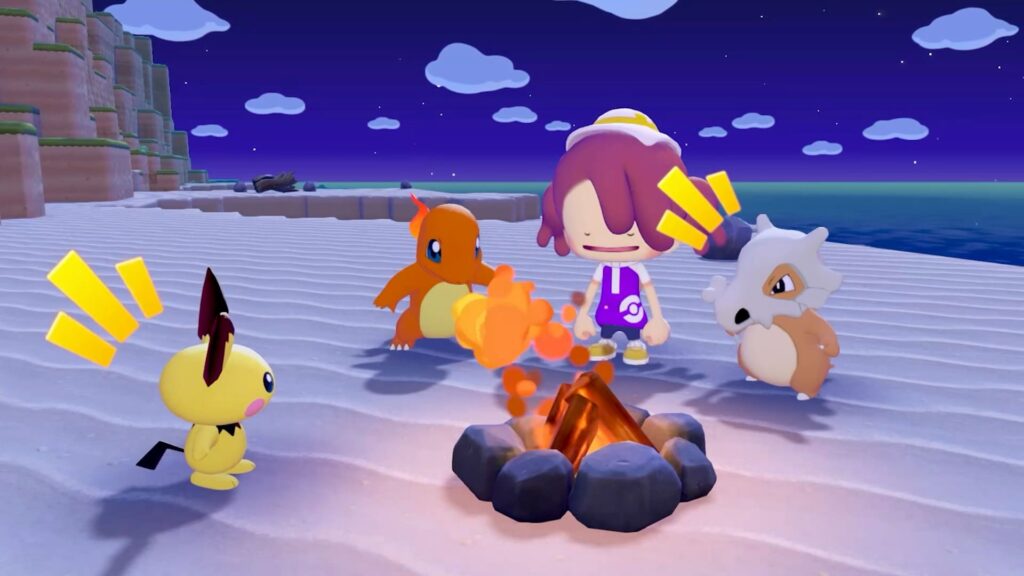
As you explore, gameplay-changing mechanics accumulate: you can cook for your Pokémon (which improves their abilities), check your PC's challenges, or play online with three friends. Omega Force's expertise is clearly evident. Pokémon Pokopia confirms that, although the series was a latecomer to the sandbox genre, it has mastered its mechanics splendidly. Once the story is completed and specific transformations are obtained, the player can unleash their full creative potential by shaping the island to their liking. Unlike Animal Crossing: New Horizons, where verticality is limited, here the island extends towards the sky for many units, just like in Minecraft. This isn't just for aesthetics, but also affects the creation of the habitats needed to obtain rare Pokémon. One thing to keep in mind is the presence of a lot of backtracking: the adventure is divided into several maps, and unlocking new moves forces you to retrace your steps to explore previously inaccessible areas.
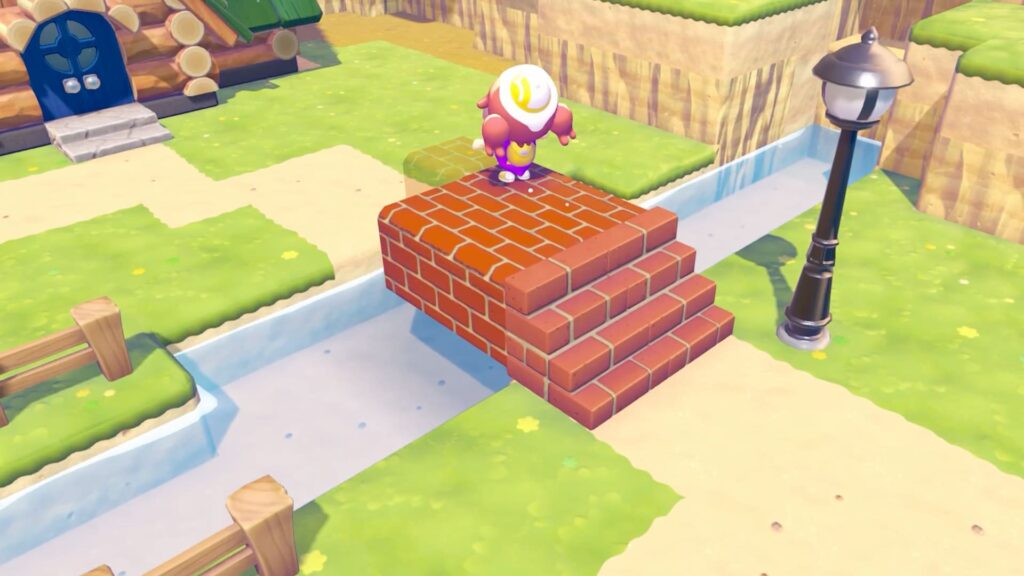
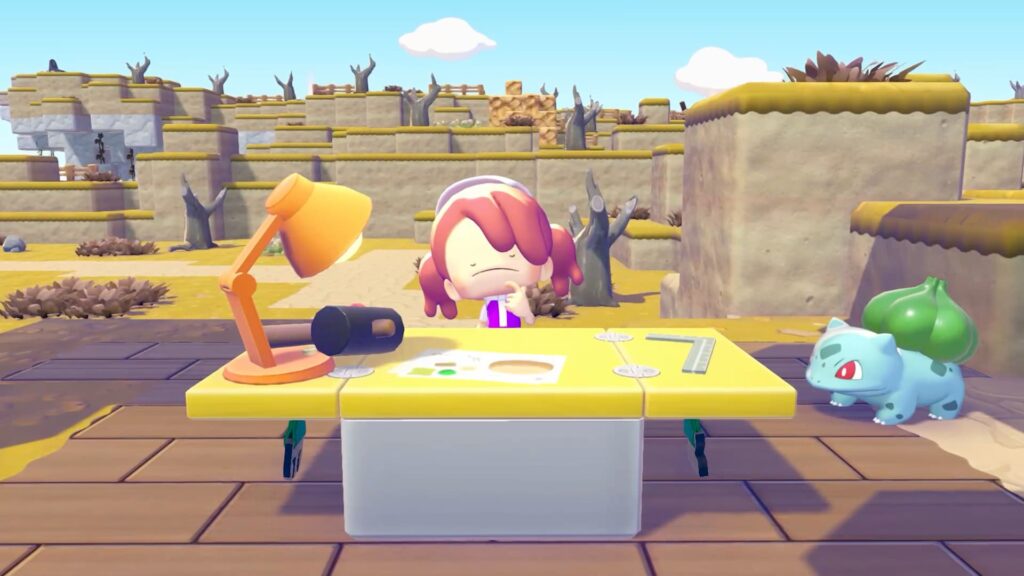
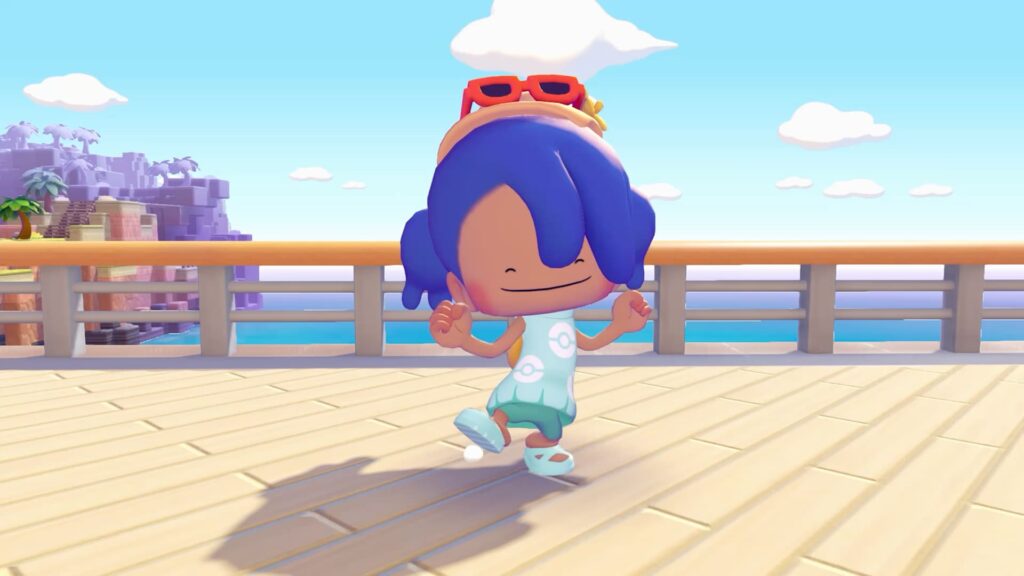
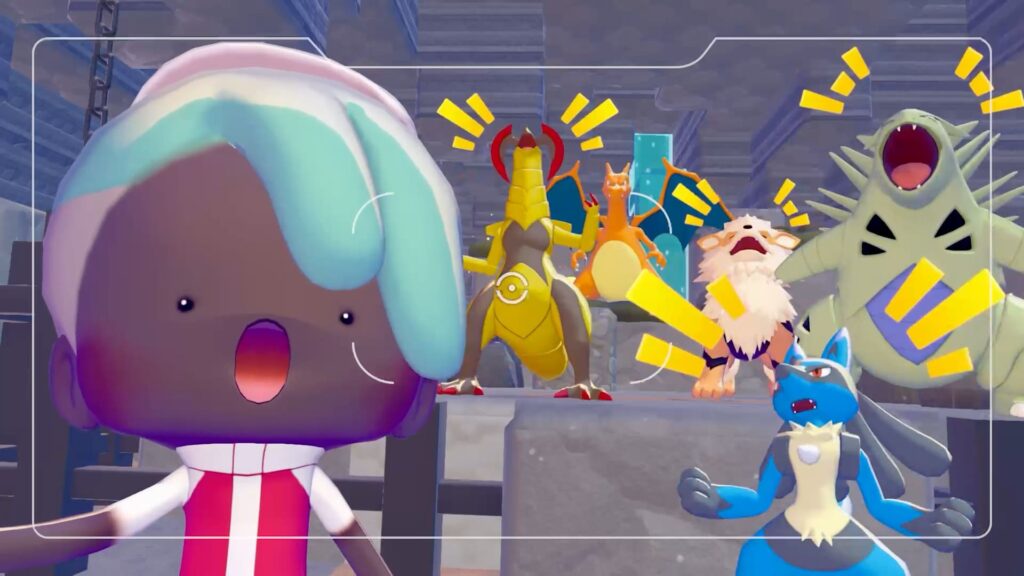
As you may have guessed, there are no traditional turn-based battles in Pokopia: you take care of Pokémon with the help of a Tamagotchi or Animal Crossing villagers, fulfilling their requests. The latter will help rebuild ruined buildings whenever the player needs it. Omega Force It has given specific skills to some Pokémon: builder Pokémon like Pinsir or Timburr are responsible for construction, while Charmander can light fires at specific points of interest (like the campfire). Just ask them to follow you, and they'll automatically interact with the points of interest in question.
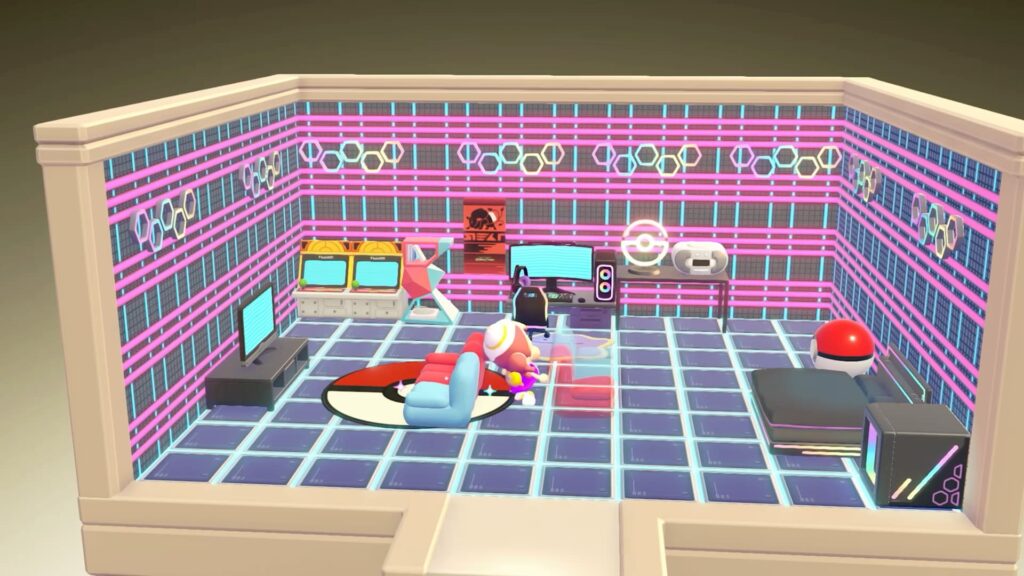
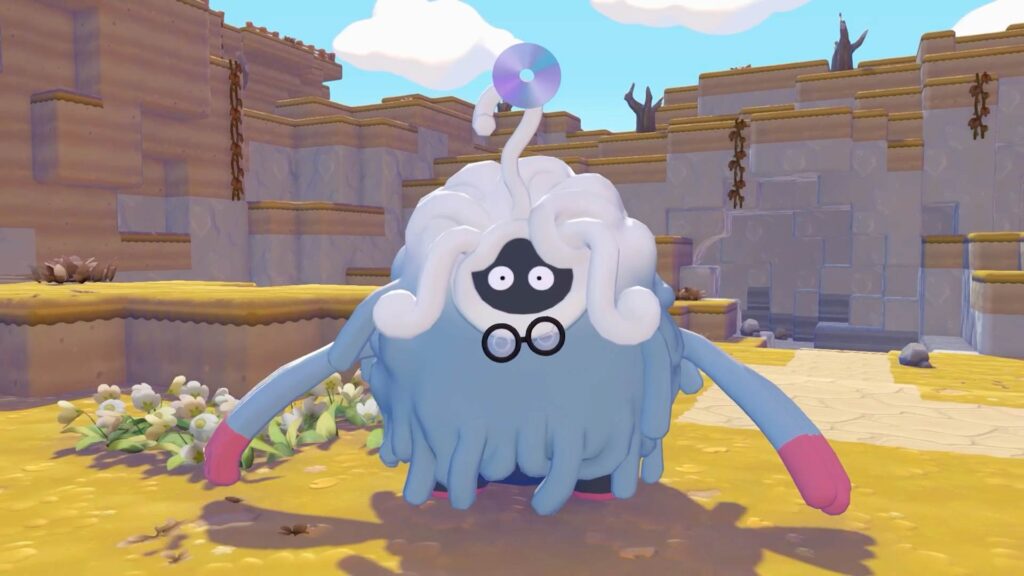
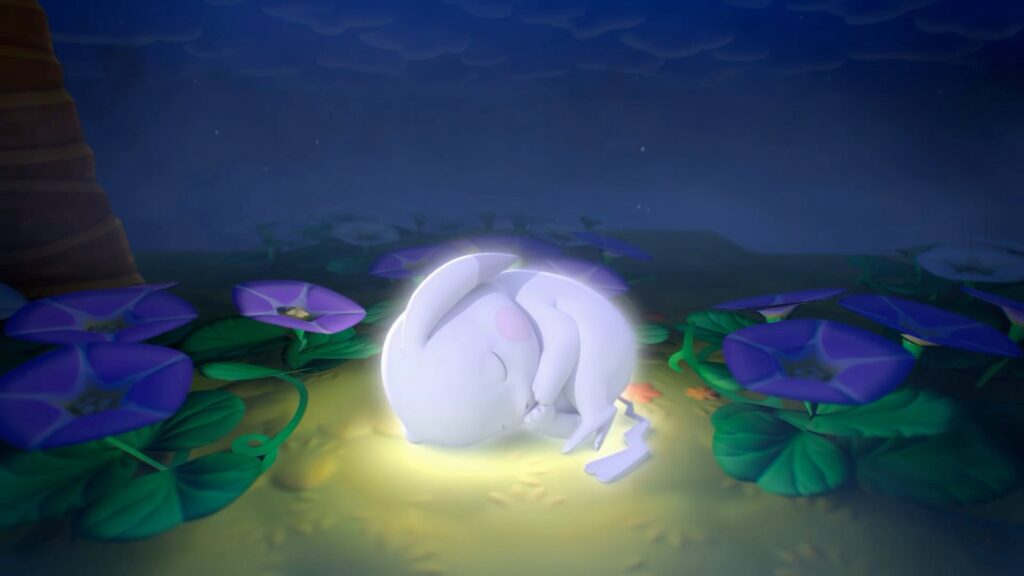
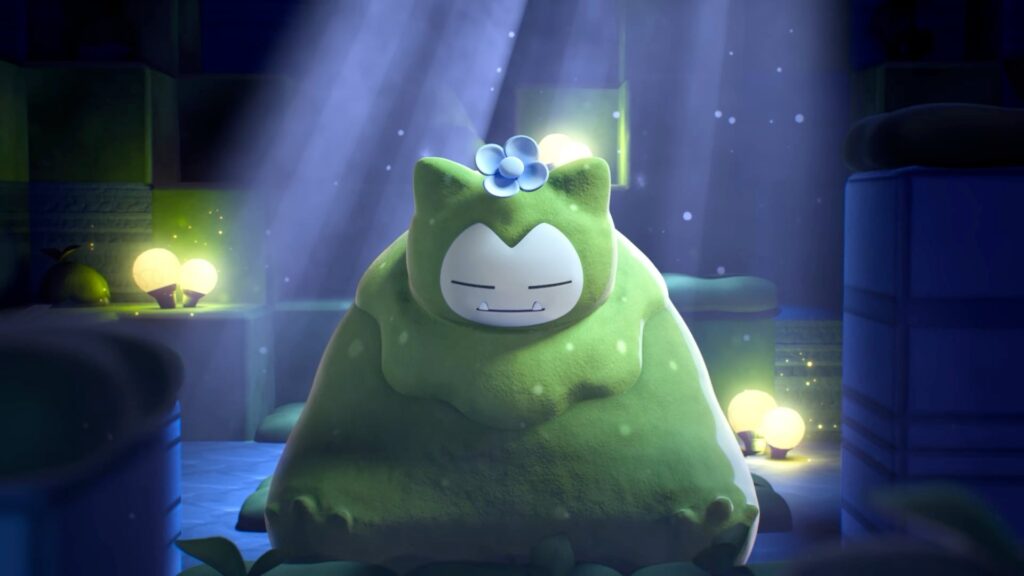
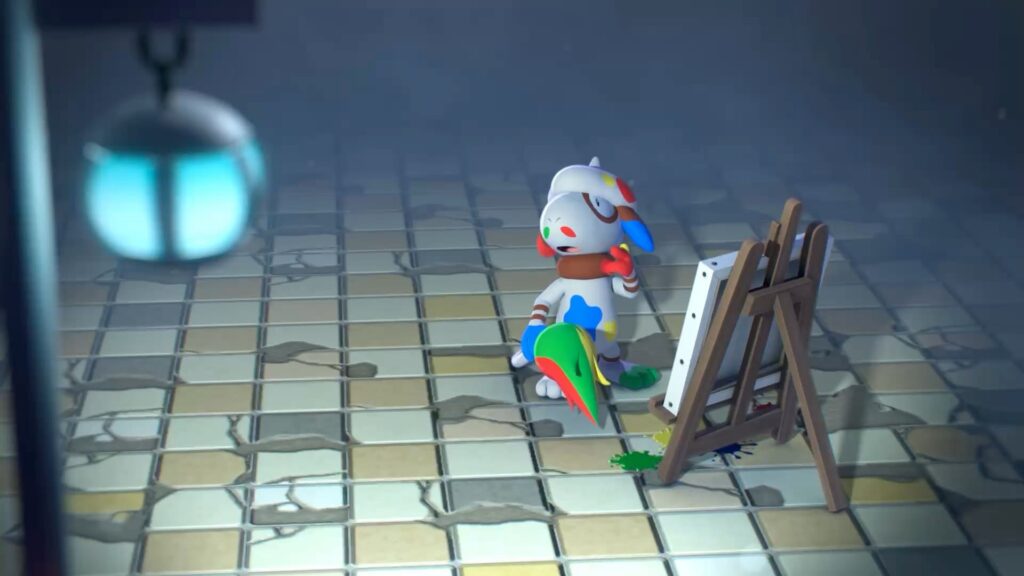
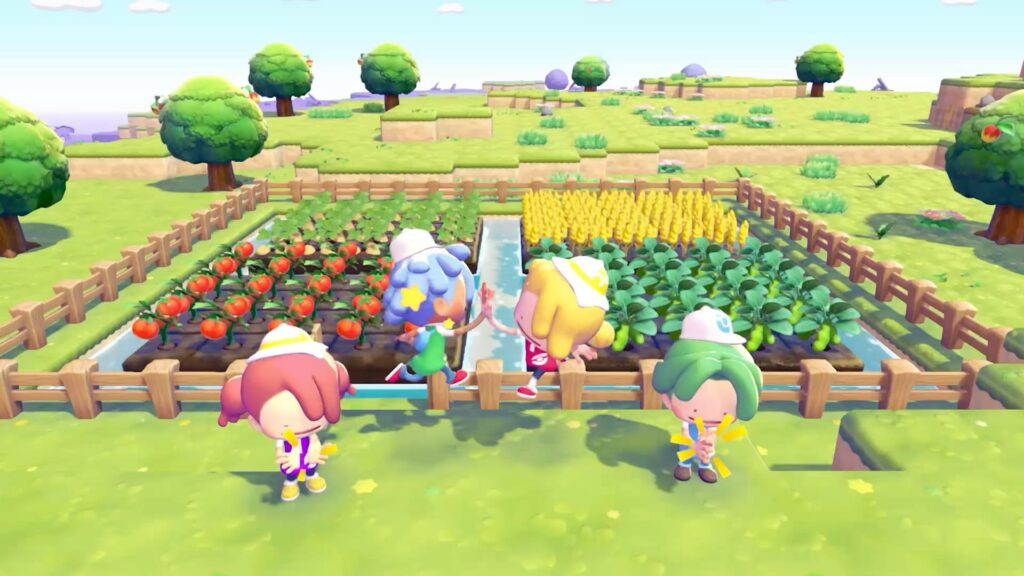
Technically, the game on NSW2 runs beautifully at 60 fps in almost all circumstances. With many objects on the screen, you may experience some sporadic instability, but nothing serious. The clarity of the image and the quality of the textures take this spin-off to another level compared to the main series titles like Scarlet and Violet. The only sore point is the lack of a memorable soundtrack, as the melodies that recall historical themes are very chill , although functional to the genre in question. As for multiplayer, the experience is solid and fluid. The heart of the multiplayer option lies in the creative chaos of areas such as the Cloud Islands, where collaboration between friends is immediate thanks to a quick invitation system and the flexibility of the GameShare (Also compatible with the original Nintendo Switch via local streaming, or remotely, from NSW2). However, there's a bitter aftertaste due to the inability to play the story mode in local co-op on the same screen (split-screen co-op).
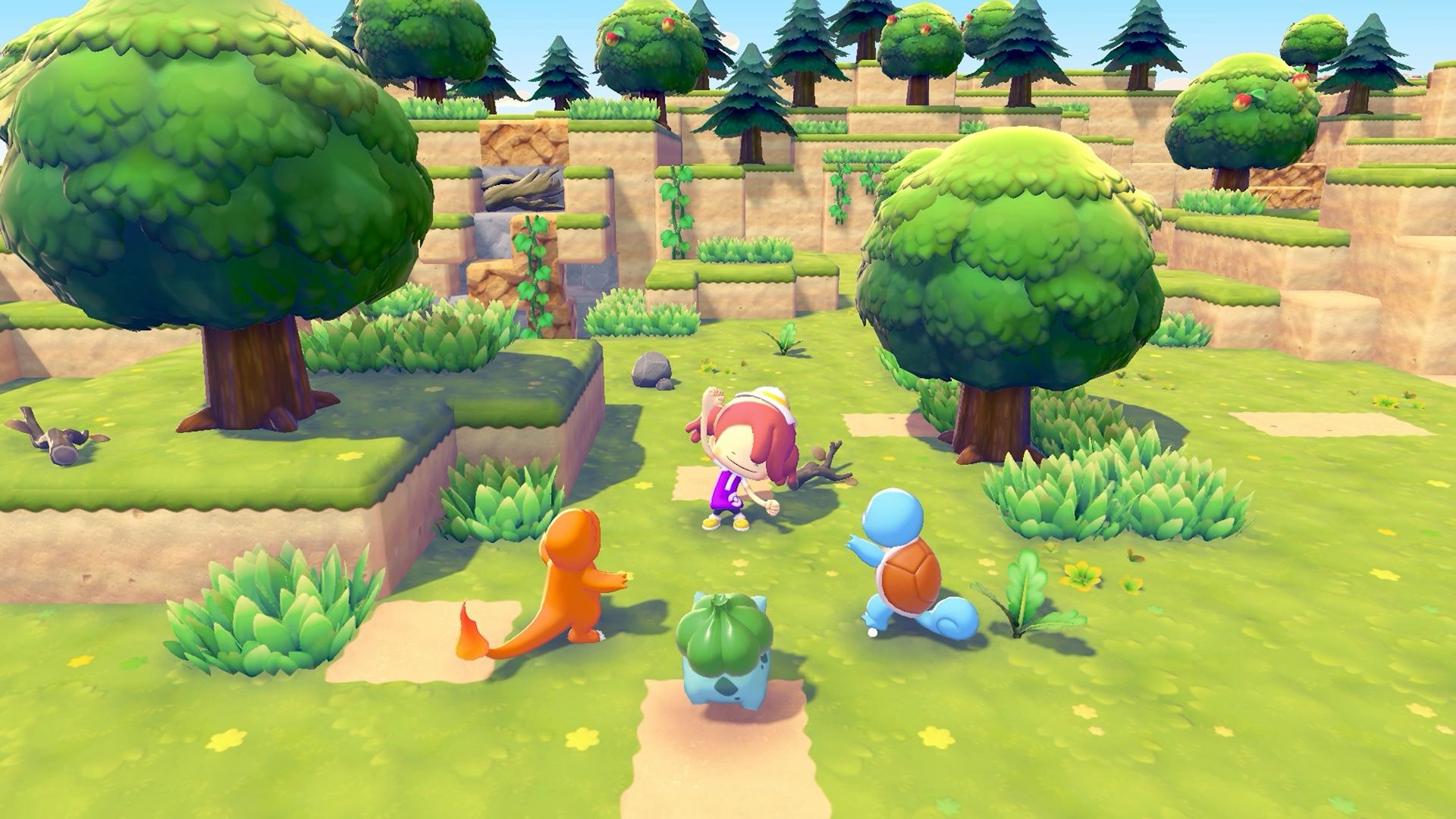
In conclusion, Pokémon Pokopia represents the most innovative Pokémon experience in recent years. The title is brimming with charm and content that rewards curiosity and creativity. It's a game capable of absorbing the player for hours thanks to simple yet impactful gameplay. Along with the exclusive Donkey Kong Bananza, and/or Hyrule Warriors: Age of Exile, justify the purchase of the new Nintendo console which, little by little, is starting to offer interesting exclusives that are worth playing.
