
The gaming & tech site for Ticino and Italian-speaking Switzerland
The gaming & tech site for Ticino and Italian-speaking Switzerland
Deathloop

5.5
✓ What we like
- 🟢 interesting gameplay mechanics
- 🟢 Customizable gameplay
What we don't like
- 🔴 Frequent freezes and bugs
- 🔴 very limited weapons
Arkane Studios colpisce ancora. E noi non possiamo che essere felici di provare la sua nuova collaborazione con Bethesda dopo i capolavori già presentati dallo studio francese – come Dishonored e Prey – che da poco è stato acquisito dall’azienda Xbox Game Studios.

Deathloop, uscito per Windows e PlayStation 5 il 14 settembre 2021 è uno sparatutto in prima persona fortemente colorato dalle tonalità dei generi di azione e avventura tipici dello studio di Lione, che porta sul piatto una meccanica usata da pochi e da loro sfruttata magistralmente non solo come meccanismo di gioco ma come risorsa narrativa: se muori, il tuo loop riparte da zero, perdendo ogni progresso compiuto.
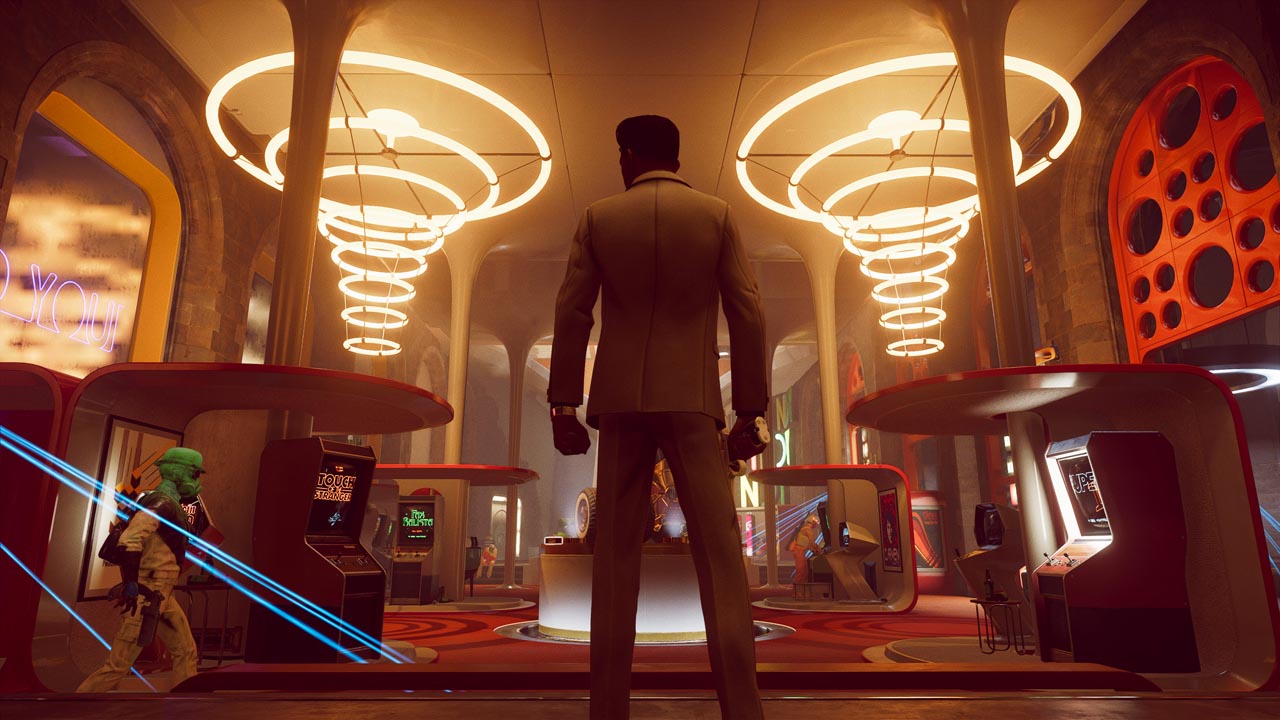
Rompi il loop, Capitano
Avete mai preso una sbronza così pesante da non ricordare nulla al vostro risveglio? L’unico ricordo che avete è uno strano sogno in cui una donna sconosciuta vi uccide. Non troppo piacevole, insomma. Nella nuova opera dello studio Arkane vestiamo i panni del protagonista di Deathloop, risvegliandoci in una gelida spiaggia deserta – e anche un po’ fatiscente – senza neanche ricordarci il nostro nome, da dove veniamo e quale sia il nostro scopo sull’isola. Oltre all’apparente hangover, il nostro protagonista sconosciuto vede strani messaggi scritti nell’ambiente che lo circondano e che lo incitano ad esplorare quel posto sconosciuto. Confusi sul nostro stato mentale e la sua possibile alterazione dovuta a droghe e alcol, decidiamo comunque di affidarci a questi peculiari consigli. Dopo aver trovato un’arma con cui iniziare le nostre avventure e aver raggiunto uno dei tanti bunker presenti sull’isola, scopriamo qualcosa di più sulla nostra identità grazie a un peculiare walkie-talkie chiamato “hackamajig”. Ci viene rivelata parte della nostra identità – ci chiamiamo Colt Vahn, abbiamo un addestramento militare, e una strana voce femminile proveniente da degli interfoni ci incita a trovarla. Sempre seguendo questi strani consigli scritti attorno a noi, e rendendoci conto sempre di più che questa voce femminile non è tanto amichevole nei nostri confronti come sembra. Infatti Julianna, la donna misteriosa, è anche l’assassina che ci ha uccisi nel sogno iniziale. Senza sorprenderci molto, Julianna prova nuovamente ad eliminare Colt facendolo cadere da una scogliera grazie a dei strani poteri paranormali, ma una versione passata del protagonista prova a salvarci, lasciandoci con un altri messaggi emblematici, ottenendo più domande che risposte. Julianna riesce però ad ucciderci e… Colt si sveglia nuovamente nella gelida e deserta spiaggia di Blackreef in cui si era risvegliato il giorno prima, portandosi con sé solo le memorie del giorno prima. Cominciando così a rivivere ad ogni morte un loop continuo, cercando di spezzare questa maledizione.
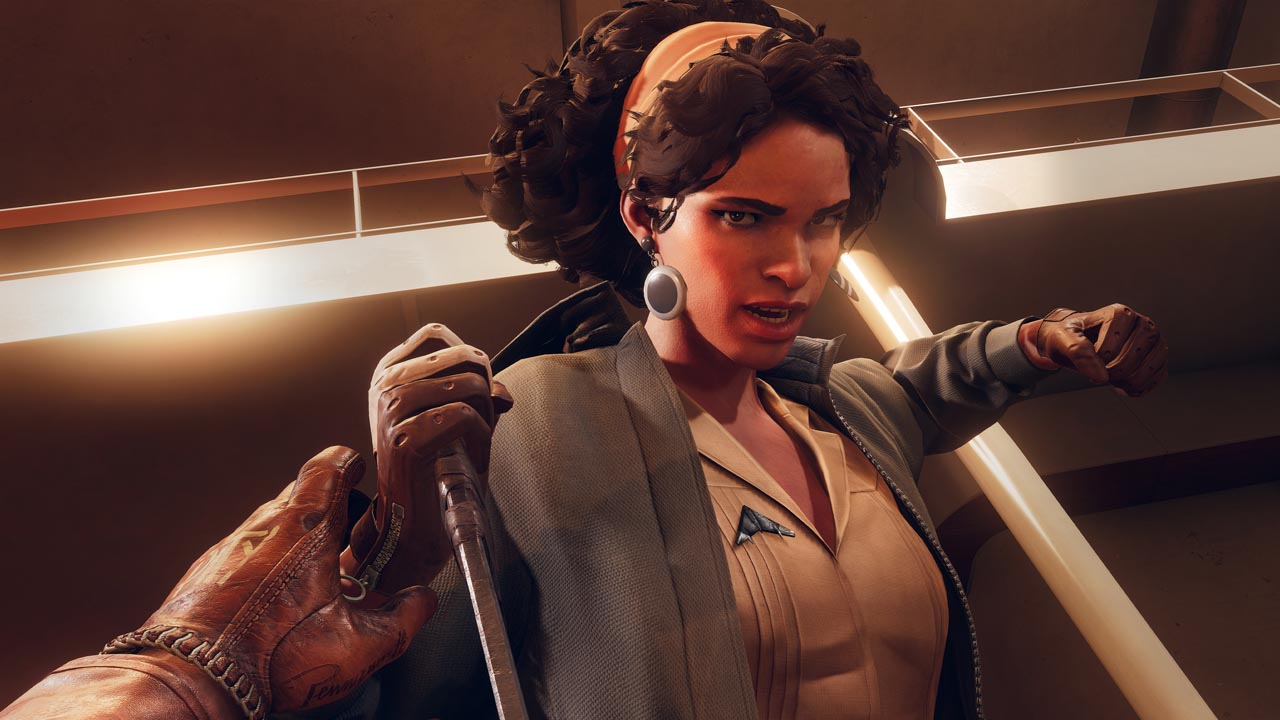
Grazie agli indizi che scopriamo esserci lasciati da soli nel passato, e a qualche incontro con un fantasma di noi stessi, capiamo ben presto che ad ogni nostra morte corrisponde un loop. Per uscire dal loop dobbiamo uccidere gli otto Visionari presenti sull’isola – tutti nella stessa giornata, in un preciso ordine. La missione è però più facile a dirsi che a farsi, in quanto per scoprire informazioni sui visionari e la loro location bisogna rivivere più volte il loop, uccidendo Eternalisti e Visionari, mentre Julianna continuerà a provare a metterci i bastoni fra le ruote tentando insistentemente di ucciderci ad ogni rewind della giornata.
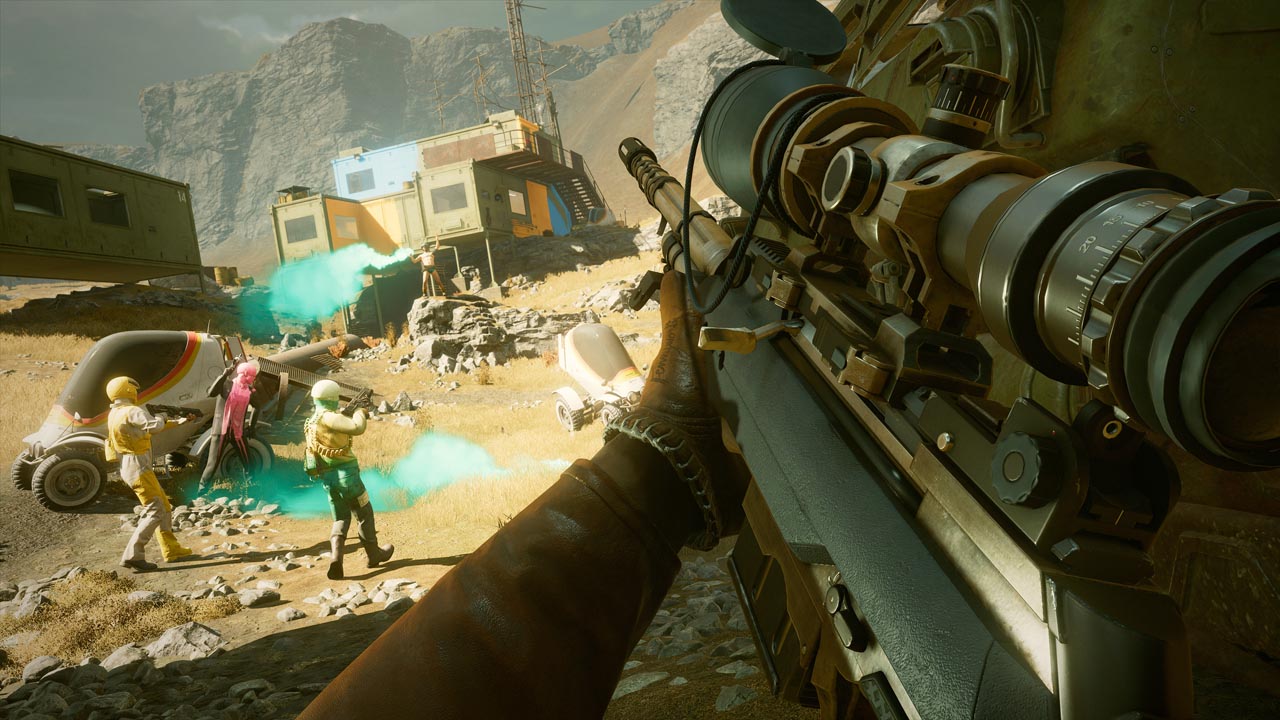
Un’avventura un po’ troppo guidata
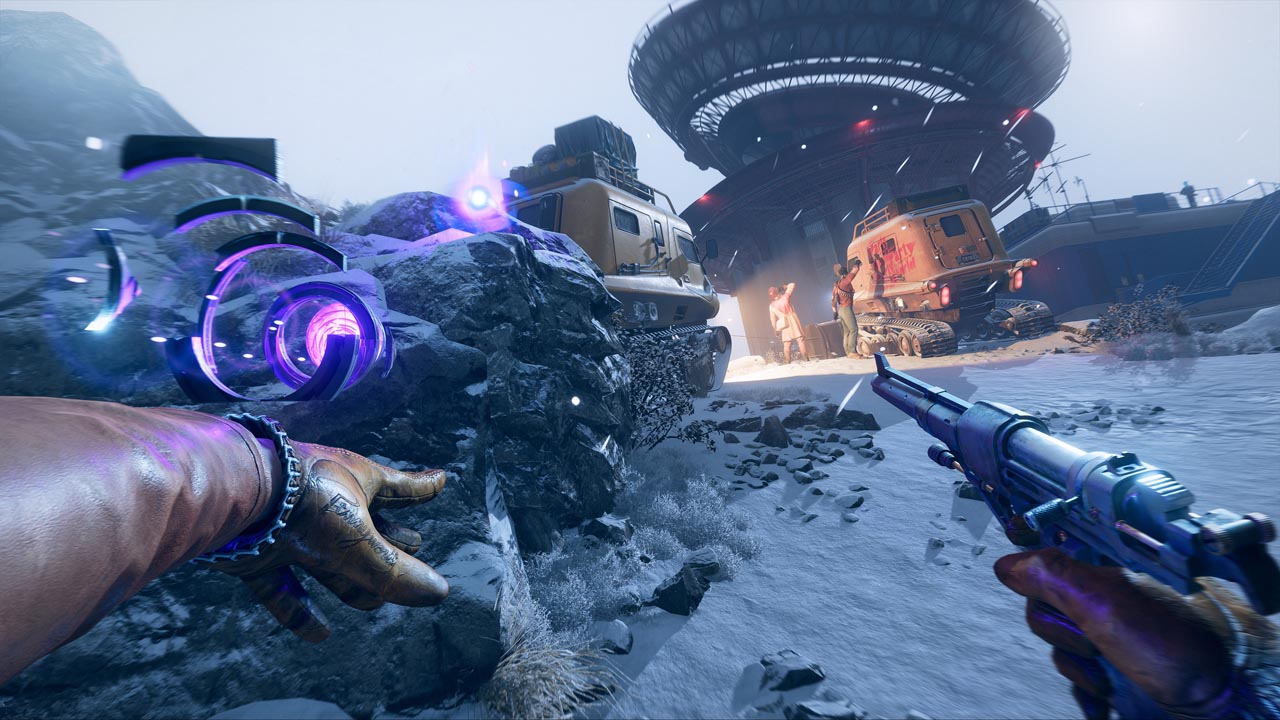
La peculiarità di Deathloop sta nel fatto che una volta morto, tutto ciò che abbiamo acquisito – armi, abilità e progressi – va perduto. Nessun checkpoint, nessun modo per recuperare il nostro bottino. Il gioco ci permette di scappare alla morte definitiva due volte prima di ricominciare il loop della giornata a Blackreef, portandoci parecchio indietro nel progresso della nostra missione per uccidere i Visionari e spezzare il loop che ci costringe a vivere un ciclo di morte e resurrezione. Da bravo FPS, Deathloop da il suo meglio nel gameplay, e questa volta Arkane Studios non ci impone un gioco in modalità furtiva come in molti suoi titoli precedenti, e la scelta è completamente lasciata al giocatore: grazie alle piastrine che si trovano per la mappa – una mappa semi-openworld a zone – è possibile fare upgrade alle abilità base del personaggio come ad esempio muoversi più silenziosamente o attivare il doppio-salto, o migliorare le armi facendo sì che si inceppino più raramente, aumentandone la capienza dei caricatori, e molto altro ancora. Ogni giocatore è dunque libero di vivere il loop continuo di Arkane Studios come meglio preferisce.
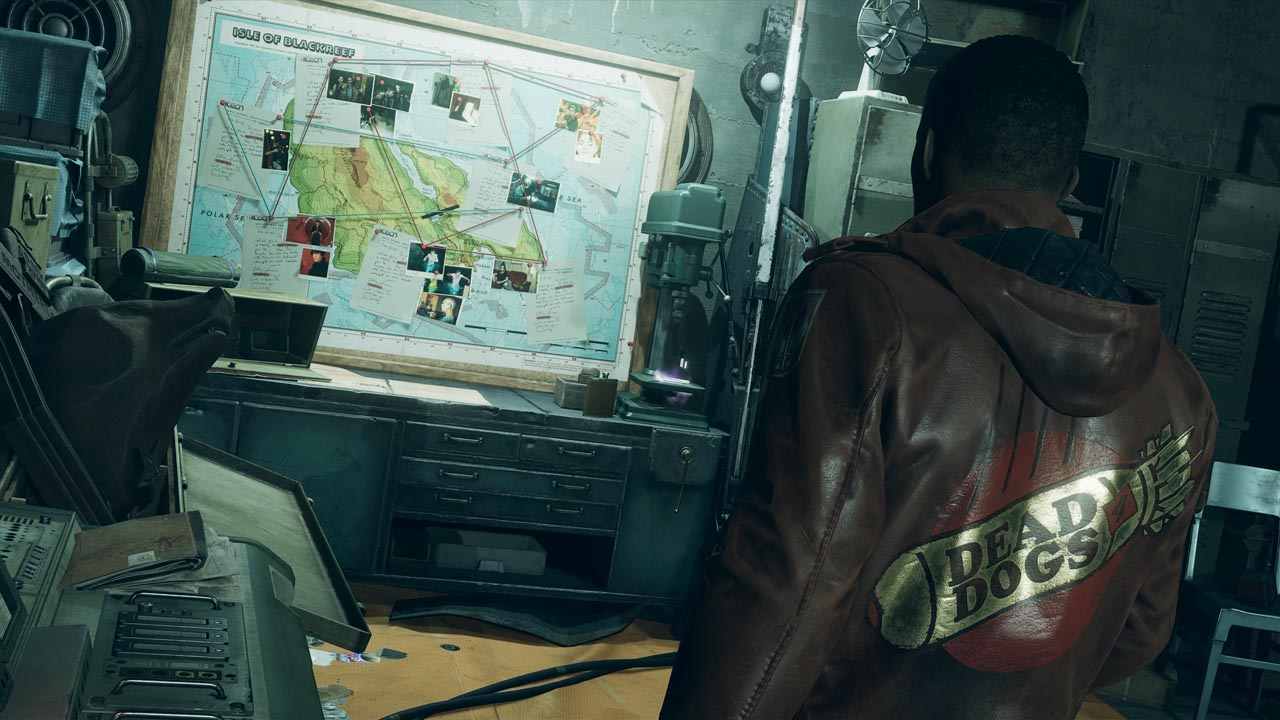
Per spezzare il loop è necessario uccidere i Visionari, i boss del gioco, che una volta sconfitti ci donano abilità paranormali simili a quelle viste su Julianna – invisibilità, teletrasporto, e molte altre. Continuando ad uccidere i visionari nei loop è possibile fare l’upgrade alle abilità, rendendole più forti e rendendo quindi i loop più semplici da affrontare. I visionari sono presenti in specifici punti della mappa in specifici momenti della giornata, rendendo quindi problematica la missione di doverli uccidere tutti, poiché non è possibile ricaricare nessun tipo di checkpoint. Anzi, meglio che l’idea di checkpoint vi esca completamente dalla mente: nessun checkpoint vi salverà dal loop del gioco. È possibile hackerare parte dell’ambiente circostante, permettendoci davvero il libero arbitrio in tutto ciò che riguarda il gioco: per accedere ad un bunker possiamo semplicemente utilizzare la forza bruta, hackerare i sistemi di sicurezza o trovare una botola sul tetto; sono disponibili tutte le alternative immaginabili, sta al player costruire Colton e le sue abilità per poterci riuscire. Purtroppo malgrado le combinazioni per le abilità siano tante, il limitato numero di armi rispetto ad un qualsiasi altro sparatutto in prima persona rendono l’esperienza di gioco un po’ ripetitiva. Se uniamo questo fattore al fatto che, andando avanti col gioco, è possibile portare con sé alcune armi nel loop pagando con la currency di gioco guadagnata nei livelli, si va un po’ a perdere il senso originario della morte definitiva nel gioco.

Malgrado non ci sia una vera e propria mappa del posto – se non negli indizi trovati – e neanche una minimappa su cui orientarsi, il gioco è un po’ troppo guidato. Se per molti l’idea di dover mettere insieme gli indizi per scoprire chi sono i Visionari, dove sono, cosa stia succedendo e perché il loop esista, questi non sono parte integrante dell’esperienza di gioco, nel senso che nessun tipo di rompicapo o enigma deve venir risolto da noi: il gioco fa tutto per noi. Ci dice cosa dobbiamo trovare, cosa dobbiamo fare, dove dobbiamo andare. Si potrebbe finire il gioco senza leggere un diario trovato e l’esperienza non cambierebbe poi molto, e la cosa è un’opportunità davvero sprecata, vista la quantità enorme di materiale sparso per la mappa semi-open world.
Invasioni inaspettate
A condire l’esperienza di gioco è la presenza di Julianna Blake, nostra arcinemica che cerca in tutti i modi possibili di metterci i bastoni fra le ruote per impedirci di distruggere il loop. Julianna invaderà il nostro loop in modo randomico, cercando di ucciderci, e le nostre possibilità sono due: scappare o ucciderla, ricevendo ricche ricompense e upgrade se riusciamo nel nostro intento. Julianna può essere guidata da un’AI del gioco, oppure… Da un player. Esatto, perché il gioco dispone di una modalità multiplayer che si mischia sapientemente con il gioco e la sua trama, permettendo ai giocatori una scelta: giocare da solo, oppure giocare assieme a qualcuno, sia nella parte di Colt che dalla parte dell’invasore. Tutte e due le esperienze, se portate a termine con successo, danno ricche ricompense al vincitore. Questa modalità non è perturbante del gioco, della sua trama e delle sue meccaniche, ed è davvero interessante vedere come uno studio ha implementato il multiplayer in un gioco che, apparentemente, non aveva spazio per esperienze a più giocatori.
Anni ’60: Bethesda colpisce ancora?
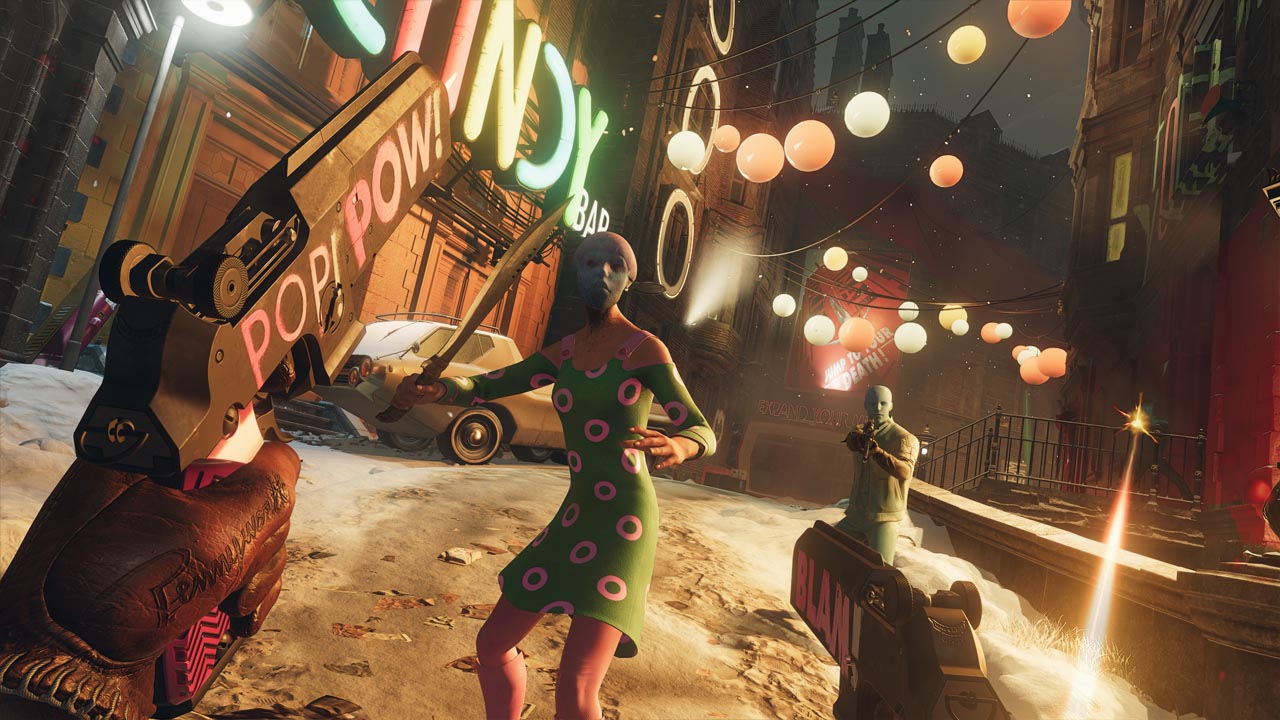
Il gioco è ambientato negli anni sessanta, e le palette di colori seppia ma allo stesso tempo sgargianti e le apparecchiature old style non fanno altro che ricordarcelo. Graficamente, Deathloop è proprio piacevole. All’occhio, ogni elemento è armonioso. Anche il design dei nemici, che portano strane maschere sul volto, non sembra così fuori posto come razionalmente dovrebbe essere. I dettagli sono estremamente curati anche a risoluzioni molto basse, e i riflessi, le luci e le texture rendono molto piacevole il tutto per la loro estrema precisione e curatezza. Gli elementi degli anni sessanta sono armoniosamente incastrati con quelli paranormali della storia del loop temporale infinito che siamo costretti a vivere. Il problema principale è quello tipico dei giochi (per PC) targati Bethesda: bug, freeze e chi ne ha più ne metta. Premettendo che noi ne abbiamo trovati pochi durante la nostra esperienza di gioco – più qualche freeze in momenti di esplorazione degli indizi che altro – molti giocatori si sono lamentati dei precipitosi cali di fps, dei frequenti freeze nel gioco in presenza di tanti nemici o caricamento della mappa. Personalmente noi possiamo solo lamentarci dei requirements del gioco per PC: i requisiti minimi necessitano di un processore di ottava generazione Intel (o prima generazione Ryzen), e di una GTX 1060 o RX580 e 12 GB di Ram. Requisiti piuttosto alti – soprattutto di ram! – per un gioco completabile dalle 20 alle 40 ore. E anche soddisfando i requisiti minimi o consigliati, il vostro computer si trasformerà in un boeing 747 in piena partenza. Quindi i vari problemi segnalati da altri giocatori sinceramente non ci stupiscono molto. Ennesima pecca tecnica la troviamo nel fatto che non è veramente possibile mettere in pausa il gioco se non giocando offline, poiché se online Julianna potrà invaderci comunque mentre il menù di pausa è aperto, che essa sia un altro player o la AI del computer. Per non parlare di quanto semplici sembrino le AI: non solo la fisica delle ragdoll ogni tanto sparisce completamente, lanciando cadaveri verso l’infinito e oltre, ma spesso i nemici sono poco reattivi e semplici nei loro movimenti e le loro routine, fattore che va a pesare sul gameplay.
In definitiva, Deathloop è un gioco molto lontano dall’essere perfetto. Ha tanti, piccoli problemi che, se sommati, sono difficili da ignorare. Eppure questi lati negativi non diminuiscono l’incredibile, innovativa esperienza che è Deathloop. Di certo l’idea di perdere tutti i progressi fatti dopo la morte non è un’innovazione di per sé, basti pensare ai tanti videogiochi a livelli che nelle loro difficoltà più estreme implementano le stesse meccaniche. Arkane Studios ci stupiscce proprio per come la meccanica del loop sia sensata proprio a livello narrativo, arricchendone il valore.
