The gaming & tech site for Ticino and Italian-speaking Switzerland
The gaming & tech site for Ticino and Italian-speaking Switzerland
Dreame X60 Pro Ultra Complete

✓ What we like
- 🟢 Exceptional Extendable Bionic Arms
- Extremely slim profile
- 🟢 Almost perfect corner cleaning
What we don't like
- Reduced overall operating speed
- 🔴 Smartphone app a bit chaotic
- 🔴 Lifting sensor to be repaired
Today we're taking a look at the Dreame X60 Pro Ultra Complete, the brand's new flagship for 2026 which, unlike the usual cosmetic updates, aims to offer something genuinely sensible.

The brand has indeed decided to reverse course from the past, attempting to remedy that annoying trend where robots and their charging stations were becoming increasingly gigantic, intrusive, and capable of colonizing the entire living room (something that almost forced you to redesign your sofa arrangement). With a price point of 1199 CHF, this model aims to guarantee a real level of cleanliness without forcing you into too many aesthetic compromises.
Under the hood
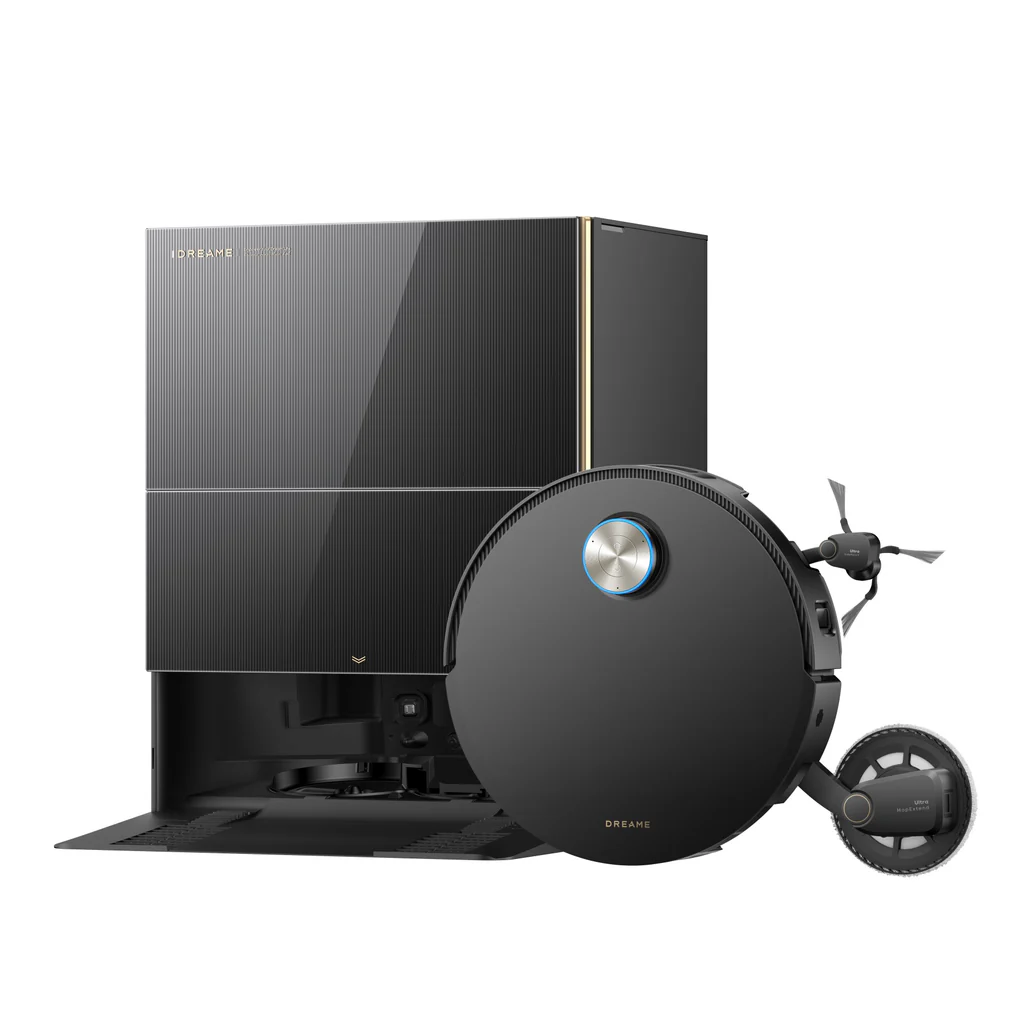
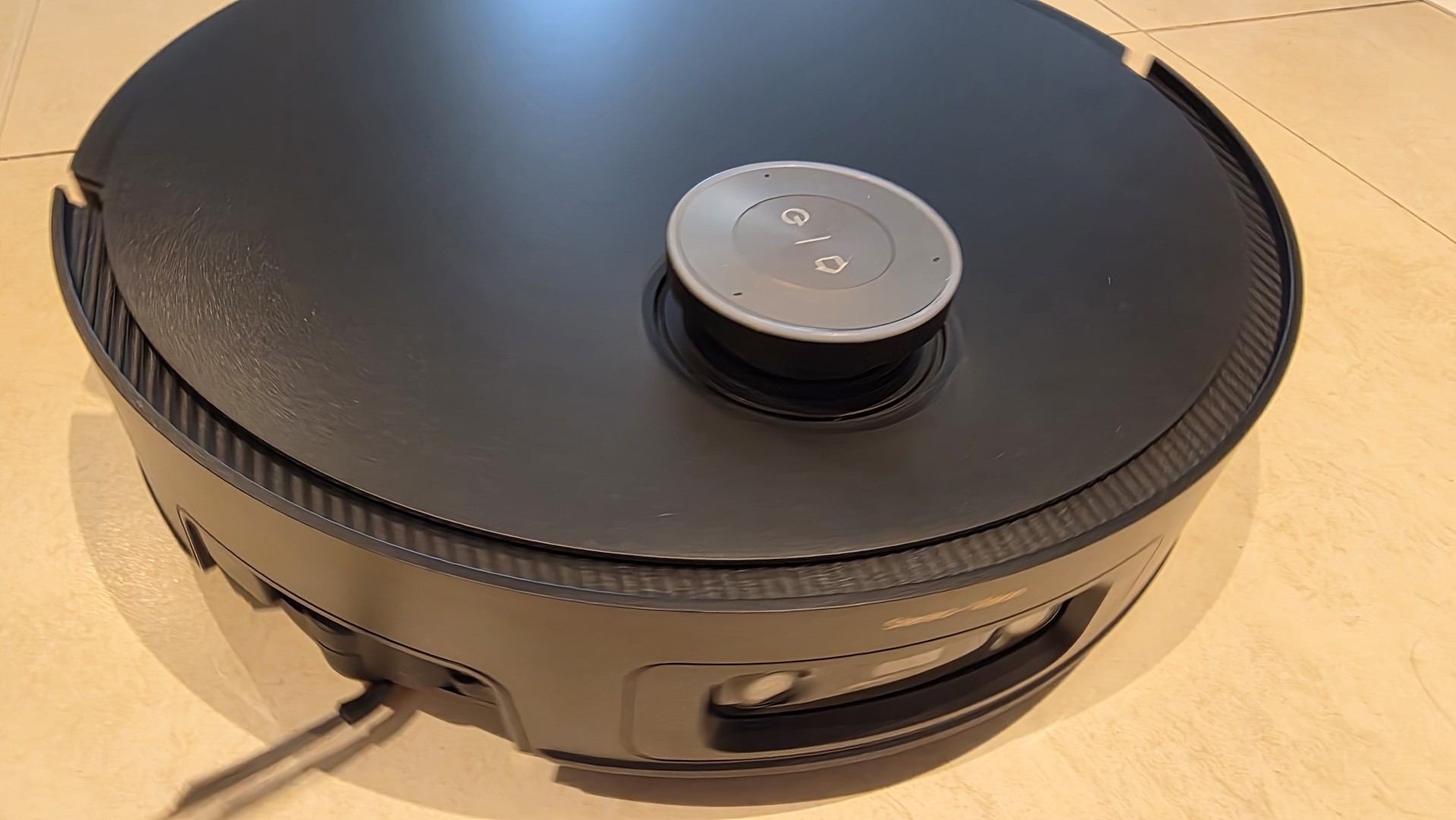
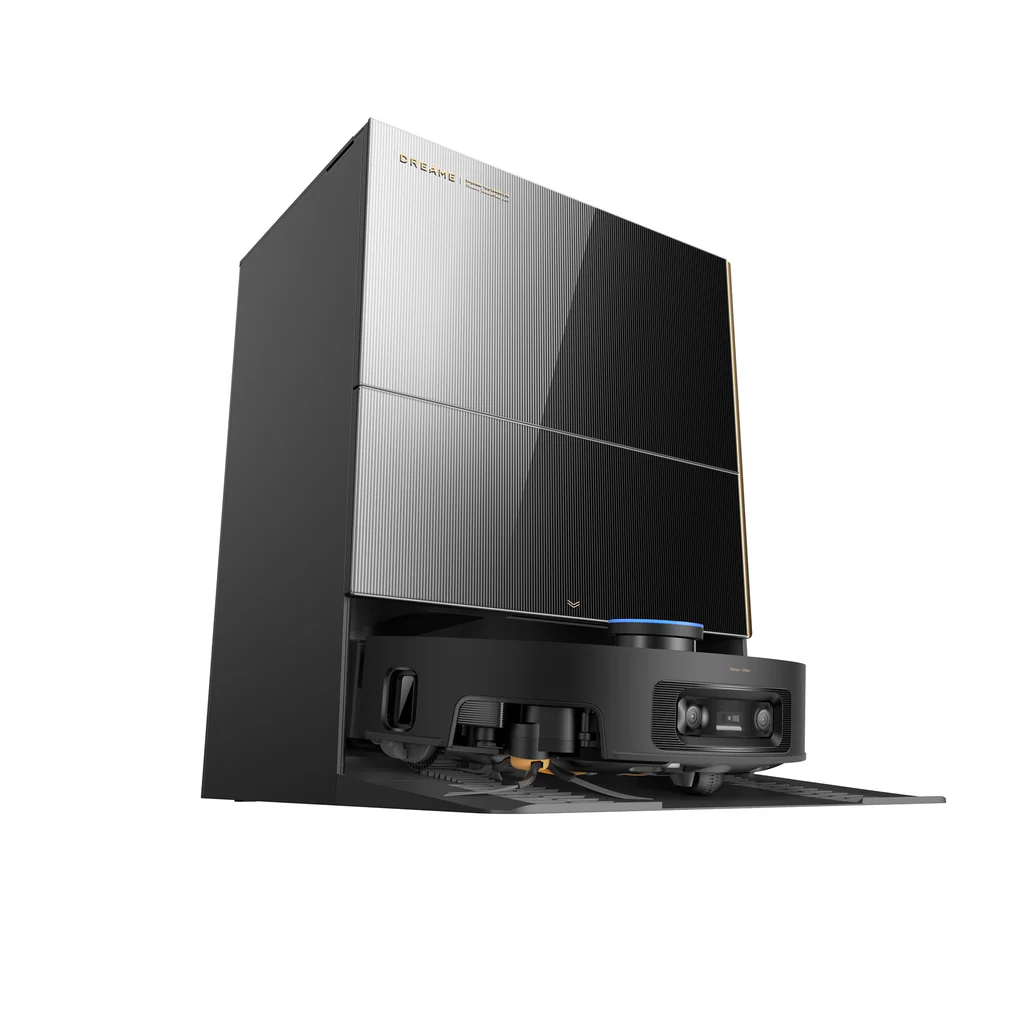
The hardware of this newcomer becomes interesting starting with the robot's dimensions, which now boast an overall height of just 79.5 mm, a remarkable engineering feat considering Dreame had been lagging a bit on this front precisely due to prioritizing complex threshold-climbing mechanisms. The ’miracle“ is due to the VersaLift system, a retractable dToF LiDAR array that completely hides flush with the upper bodywork when not needed, allowing the robot to slide under the narrowest furniture or beds where older models with fixed turrets inevitably bumped.
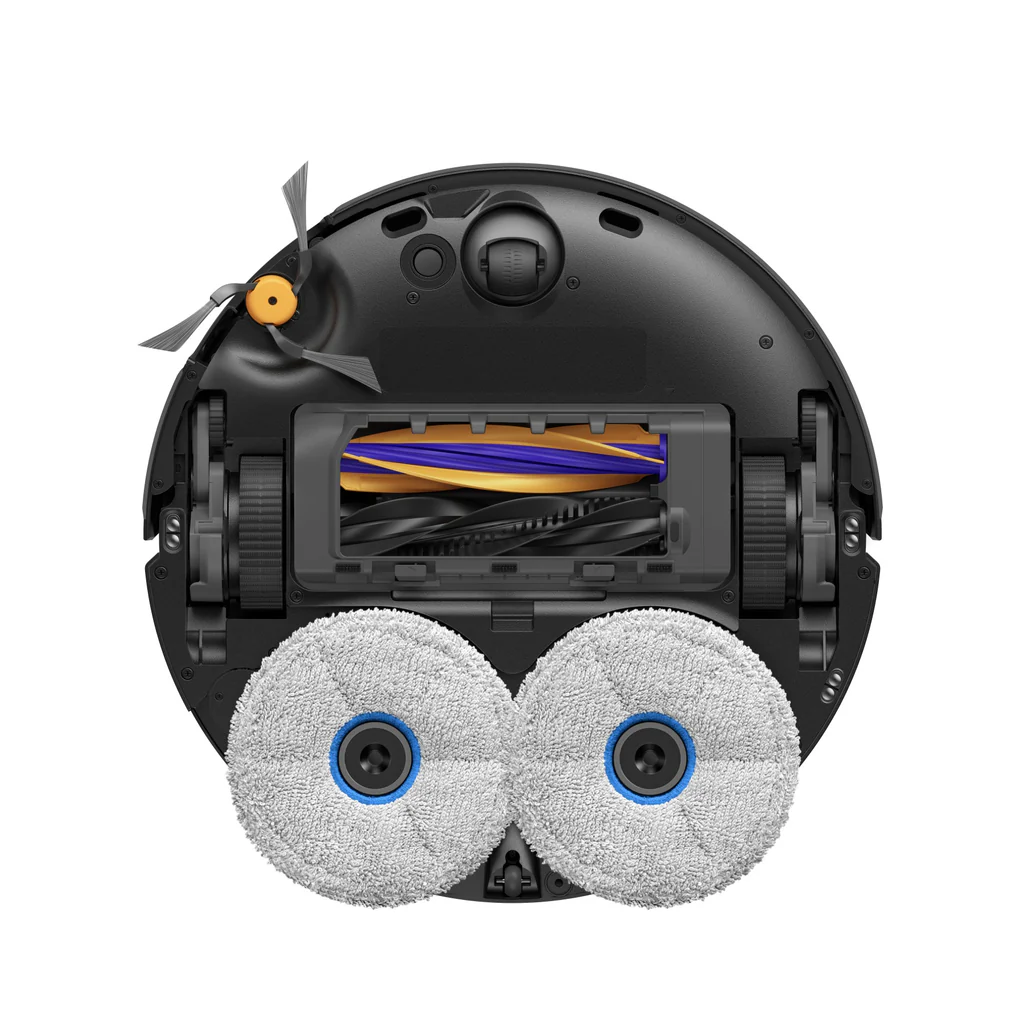
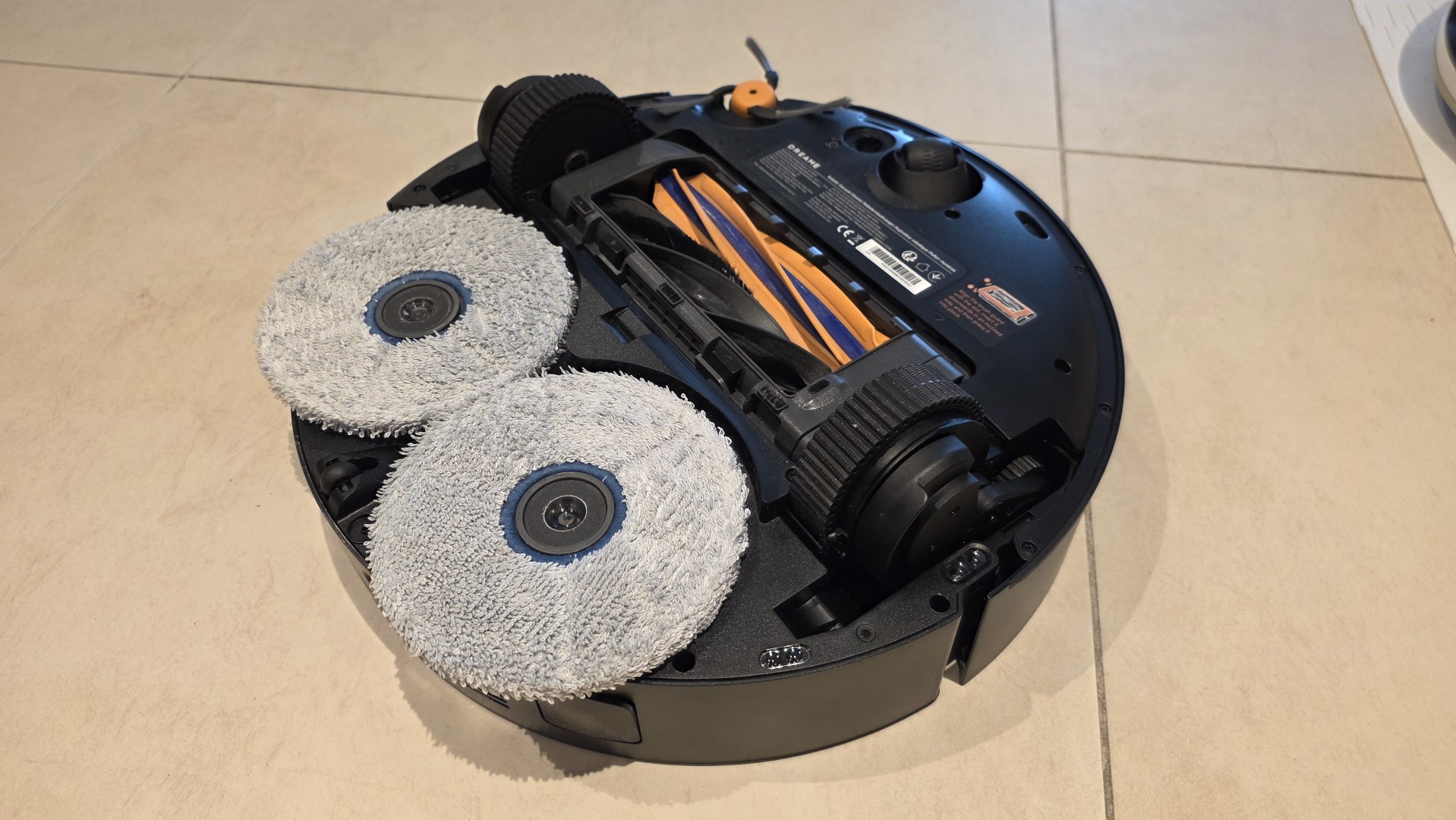
Under the hood, we find a Vormax vacuum motor that boasts a theoretical power of 42,000 Pa, a staggering figure supported by a press-on bottom plate that optimizes airflow, creating a semi-seal on the floor. This is complemented by the HyperStream Detangling DuoBrush 2.0 main brush, a rubber roller designed with a dual-texture pattern to channel pet hair directly into the suction path. On the washing front, there are two rotating mops capable of exerting a constant downward pressure of 15 N, spinning at 280 RPM, and lifting up to 21.5 mm to avoid wetting carpets during transit. The sensor array is handled by the AI OmniSight System 3.0, accompanied by a dual 120-degree front camera and a blue LED projector that illuminates fine dust and recognizes up to 320 different types of obstacles, even in completely dark rooms. The battery supports 11A PowerMaster fast charging technology.
Design
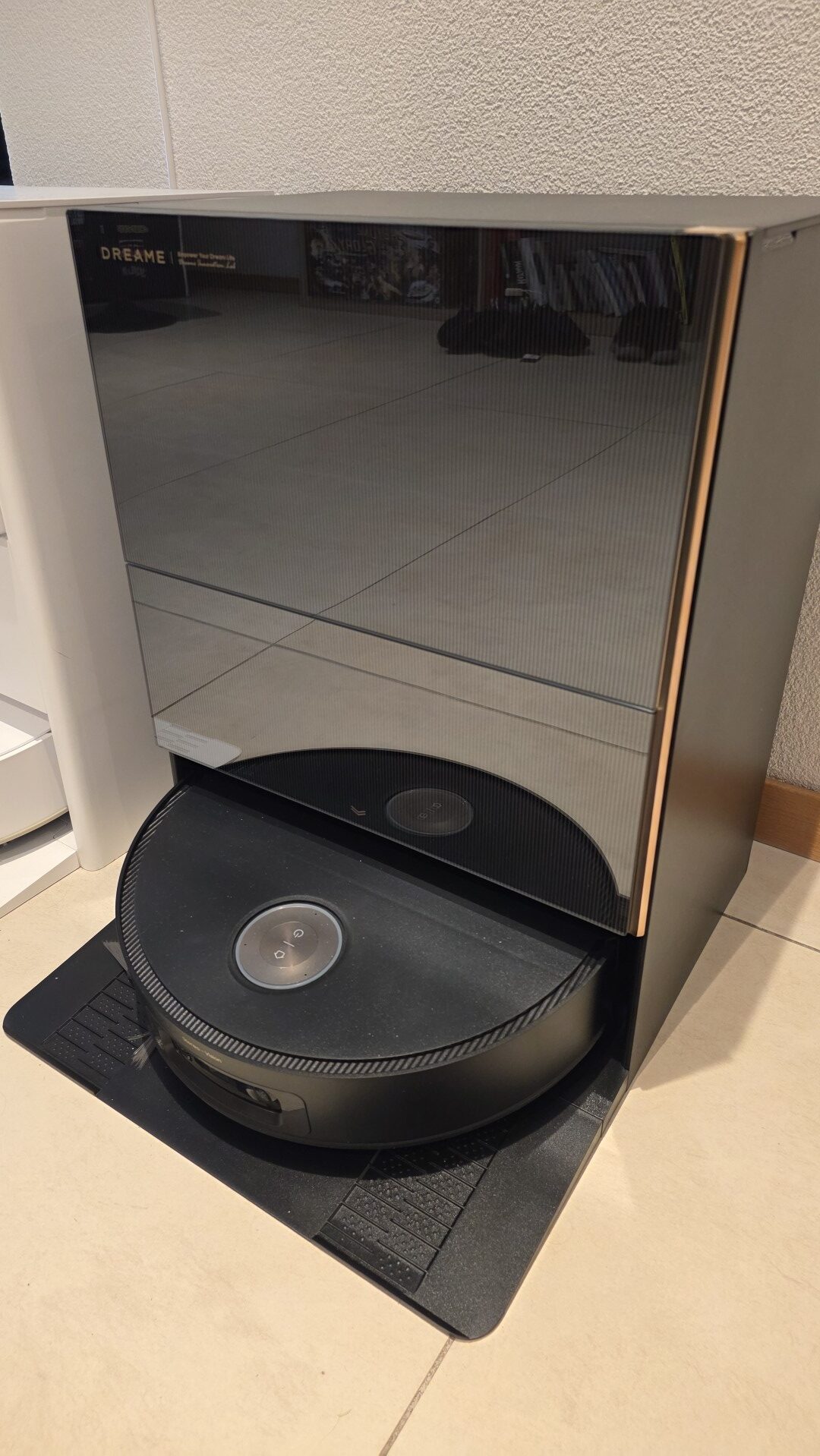
The all-in-one station is neither too large nor too flashy, making it decidedly easier to tuck into a corner of the house without drawing too much attention. The top of the base houses two buckets, one four-liter for clean water and one three-liter for dirty water, while the front panel conceals the 3.2-liter dust bag and the classic 600 ml single cartridge for detergent, which is automatically dispensed by the station. The smartphone app remains the brand's usual interface, a sort of dashboard overflowing with options that at times feels a bit like a cluttered warehouse (the number of submenus for smart functions and cleaning zones is labyrinthine), but it offers exceptional responsiveness for initial mapping and virtual barrier management. There's also native Matter support. One of the few compromises of this restyling is the capacity of the onboard dustbin on the robot, reduced to just 235 ml to make space for the LiDAR retraction mechanism, but considering that the base empties everything after each cycle, the problem is significantly reduced.
UltraExtend Moving Arms
The true hardware revolution of this model, and we're talking about the distinctive feature that alone is worth the price of admission, lies in the Dual UltraExtend system, a “bionic” dual-joint mechanism that mimics the movement of a human shoulder and forearm. Instead of relying on the classic static circular shape that forces traditional robots to leave a strip of dust along walls, here the two mechanical arms literally extend out from the perimeter of the chassis while the device is in operation.
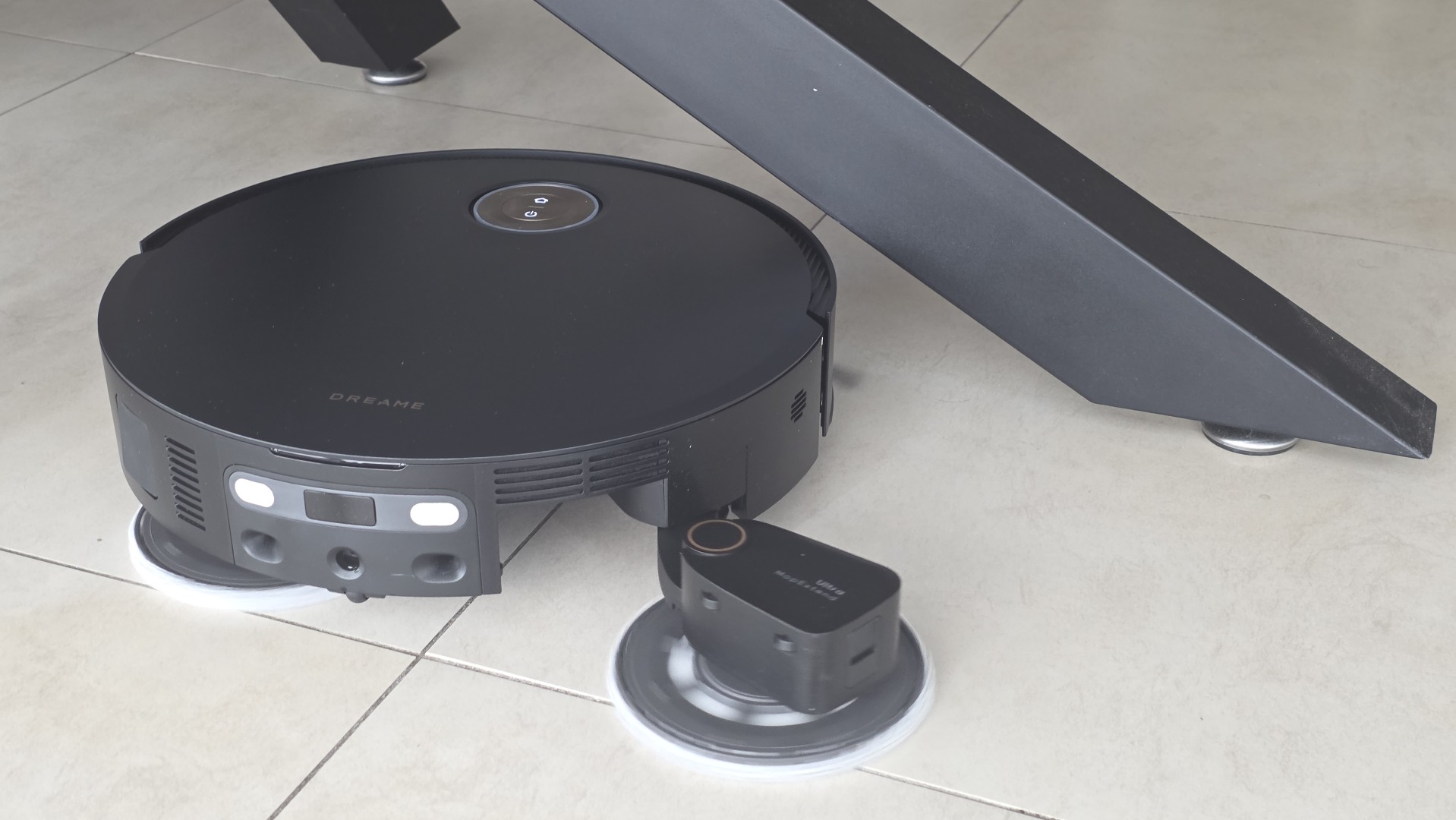
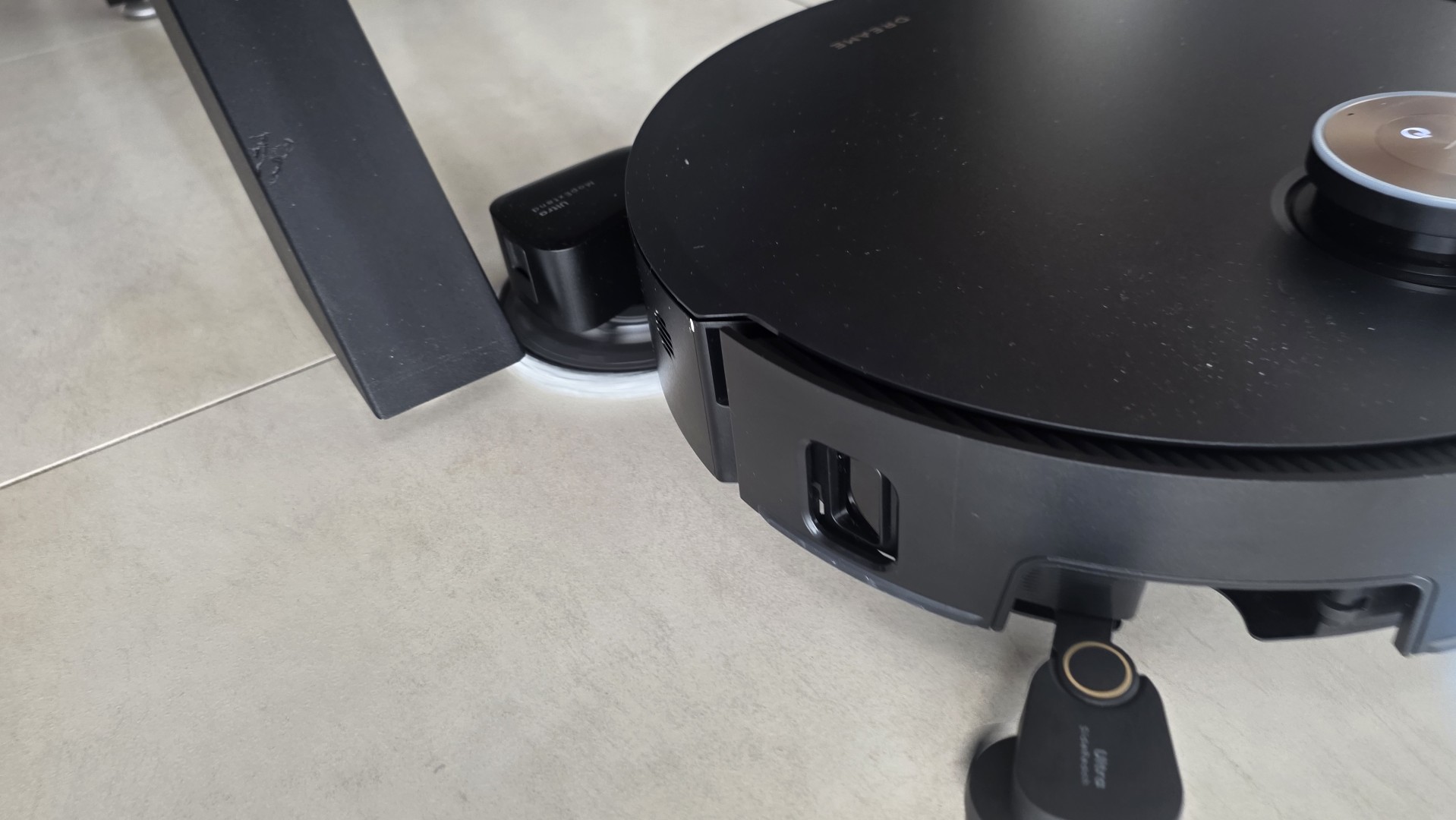
The side brush arm can extend outwards up to twelve centimeters, while the one for the rotating mop extends up to eighteen centimeters, allowing it to cover areas that until yesterday required manual effort. This means that when the robot detects a baseboard, a right angle, or a complex object, it extends the dynamic components to follow the geometric line with millimeter precision. The uniqueness of the system is particularly noticeable in the handling of chair legs or furniture with deep recesses, where the arms extend and retract smoothly to scrape away debris without the robot's body having to make violent maneuvers or risk getting stuck under edges.
Floor test
In our practical test, we wanted to put the machine through its paces on the toughest terrain possible, recreating a nightmare scenario of fine dust, hair, and heavy debris. On the front of pure suction, its performance on medium-pile carpets is impressive, with the robot cleaning quite deeply. In tests with long hair, the brush's detangling system registered zero percent of filaments tangled around the roller, a relief for those who hate having to grab scissors every week. However, there's a software detail to consider, because the ProLeap function, which lifts the entire chassis to overcome obstacles (it can clear simple inclines up to 5.2 cm and double inclines up to a good 10 cm), tends to get confused on very thin carpets, keeping the robot too high off the floor and effectively nullifying its suction power. The trick in this case is to configure the app in drop mop mode, forcing the robot to physically leave the mops in the station before starting to vacuum only the areas with low carpets.
The washing part impressed us. The combined heat of the Thermal Deep Mop system manages 100°C water in the base and keeps the pads above 40°C during scrubbing, thoroughly cleaning the tiles. So much so that the water collected in the station's tank is noticeably darker and thicker compared to that left by the New Roller Model (which I considered the absolute benchmark until today), a sign that the mechanical scrubbing of the rotating mops lifts much more settled dirt. The precision of the UltraExtend arms is particularly noticeable around more difficult structures, such as my living room table which has a 45-degree angled support (a geometric trap where any other robot I've tried previously tended to get stuck or spin aimlessly). This Dreame understands the incline, extends its flexible elements, slows down, and navigates around it, grazing the metal without ever hitting it. It doesn't do a perfect job, but it goes further than any other robot I've ever tested. Even in right-angled corners, the algorithm does a superb job; the robot stops, calculates the space, and backs up to clean everything except a tiny corner where, in any case, a rotating mop cannot physically pass.
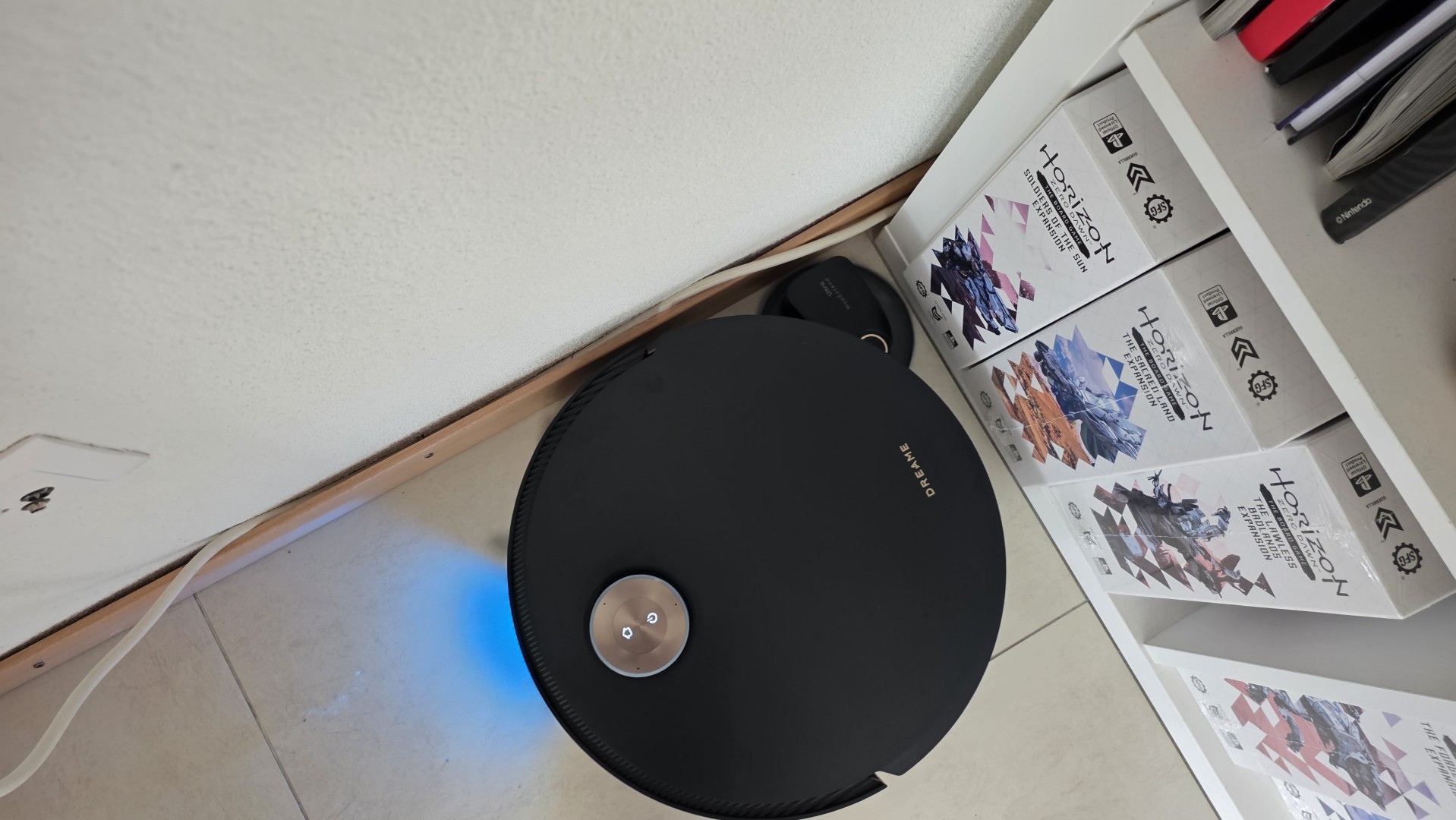
However, this caution comes at a time cost, with a speed of 0.64 meters per minute, slightly below the category average, making complete cycles rather long. The return to the base for emptying registers at 71 decibels but is very brief, and the ventilation system does not emit those chemical or stagnant humidity odors that often infest a room with other similar products.
Conclusion
Ultimately, we quite liked this Dreame X60 Pro Ultra Complete. It's not a perfect device, but its build quality and effectiveness in practice are undeniable. At the price of 1199 CHF, it's obviously positioned in the decidedly high end of the market, but the real advantages linked to its low profile and the millimeter-precise cleaning guaranteed by the extendable arms around the trickiest obstacles make it a sensible purchase for those with large, geometrically complex homes. Its ability to remove dry dirt from tiles and the main brush that never tangles make it the ideal companion for pet owners who want to forget about manual floor cleaning for weeks on end, provided they accept a slightly more relaxed overall speed compared to other, more hurried competitors.