The gaming & tech site for Ticino and Italian-speaking Switzerland
The gaming & tech site for Ticino and Italian-speaking Switzerland
Google Pixel 11 Pro Fold

✓ What we like
- 🟢 IP68 waterproof
- 🟢 OLED screens
- 🟢 Multitask comics
- 🟢 7 years of updates
What we don't like
- 🔴 HiLight is too limited
- 🔴 Price increasingly unattainable
- 🔴 Graphics performance could be improved
There comes that time of year when the foldable market tries to convince us that the future has finally arrived, folded in half and ready to slip into our pockets. After Samsung, Google is back with its new Pixel 11 Pro Fold, attempting to refine a formula that in past iterations had shown excellent intuitions.

Between those chasing record-breaking thicknesses and those revolutionizing form factors, the Mountain View company is choosing an extremely cautious path, perhaps even too cautious. If you already own the previous model, we'll tell you right away that in everyday life, the two devices are virtually indistinguishable, making this update a decidedly conservative move. For everyone else, however...
Tensor G6 and other stuff
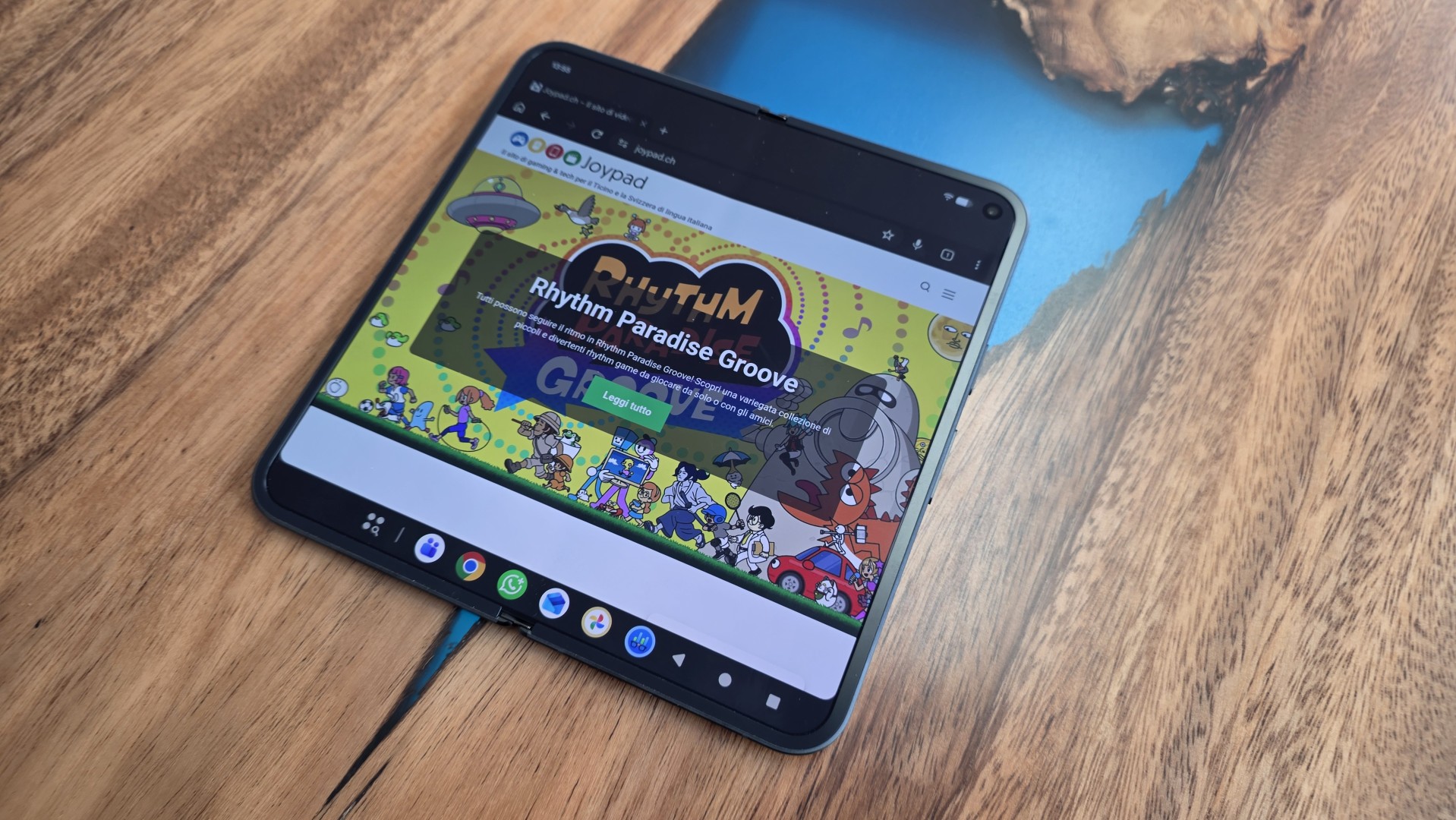
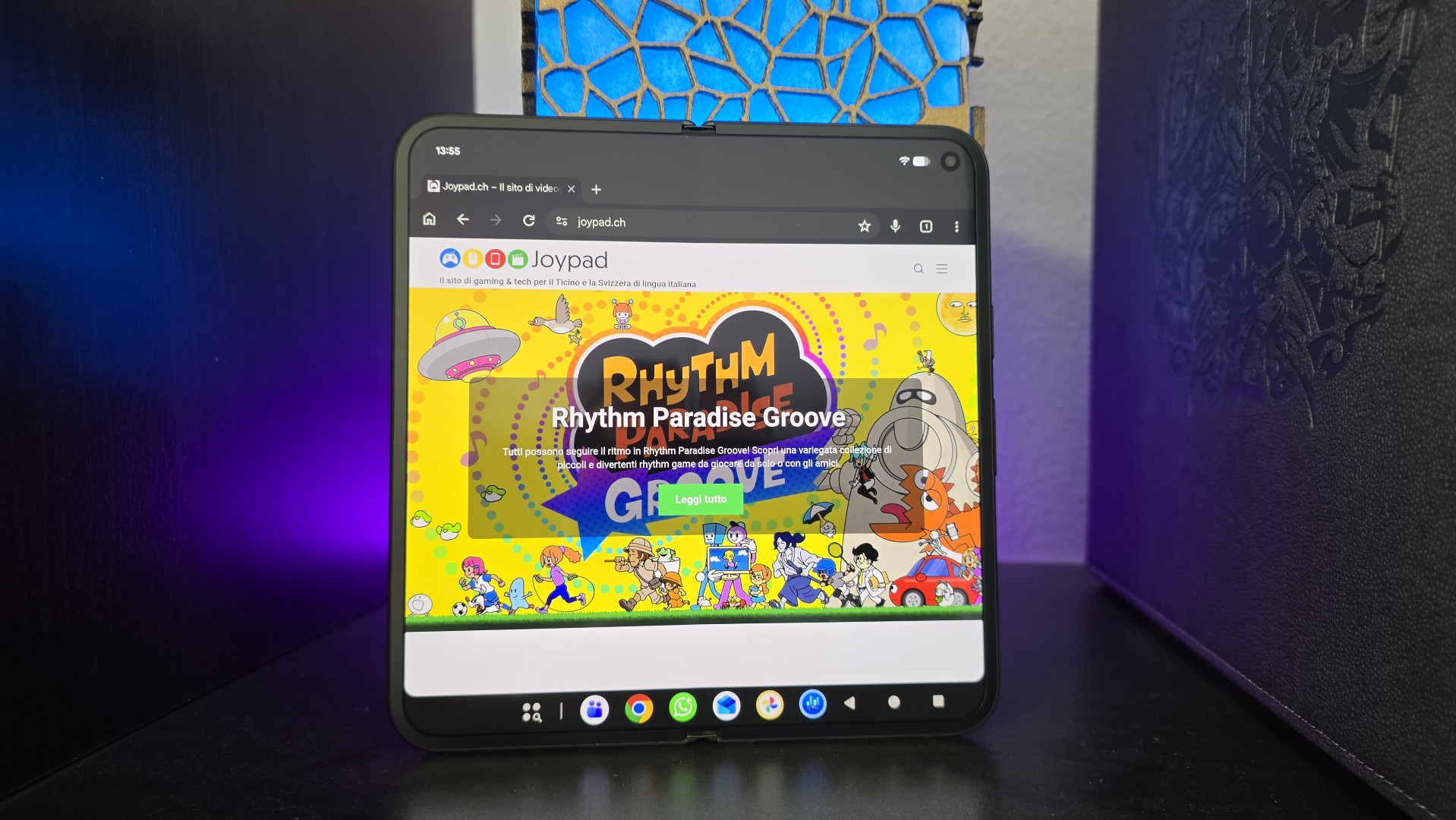
Under the hood, we find the new proprietary Tensor G6 silicon, manufactured using a 2nm process, accompanied by the Titan M3 security coprocessor and supported by 16GB of RAM. Internal storage options start at 256GB and go up to 512GB and 1TB with fast Zoned UFS storage. The external display features a 6.5-inch Super Actua OLED panel in a 19.5:9 aspect ratio with a resolution of 1080 x 2342 pixels at 399 PPI, protected by ultra-resistant ceramic glass. Inside, the large 8-inch Super Actua Flex OLED foldable display opens up at 120Hz with a resolution of 2076 x 2152 pixels, supported by a thicker flexible glass layer to mitigate the crease and supported by a redesigned hinge made of ultra-strong steel. Both displays now reach a claimed peak brightness of 3600 nits.
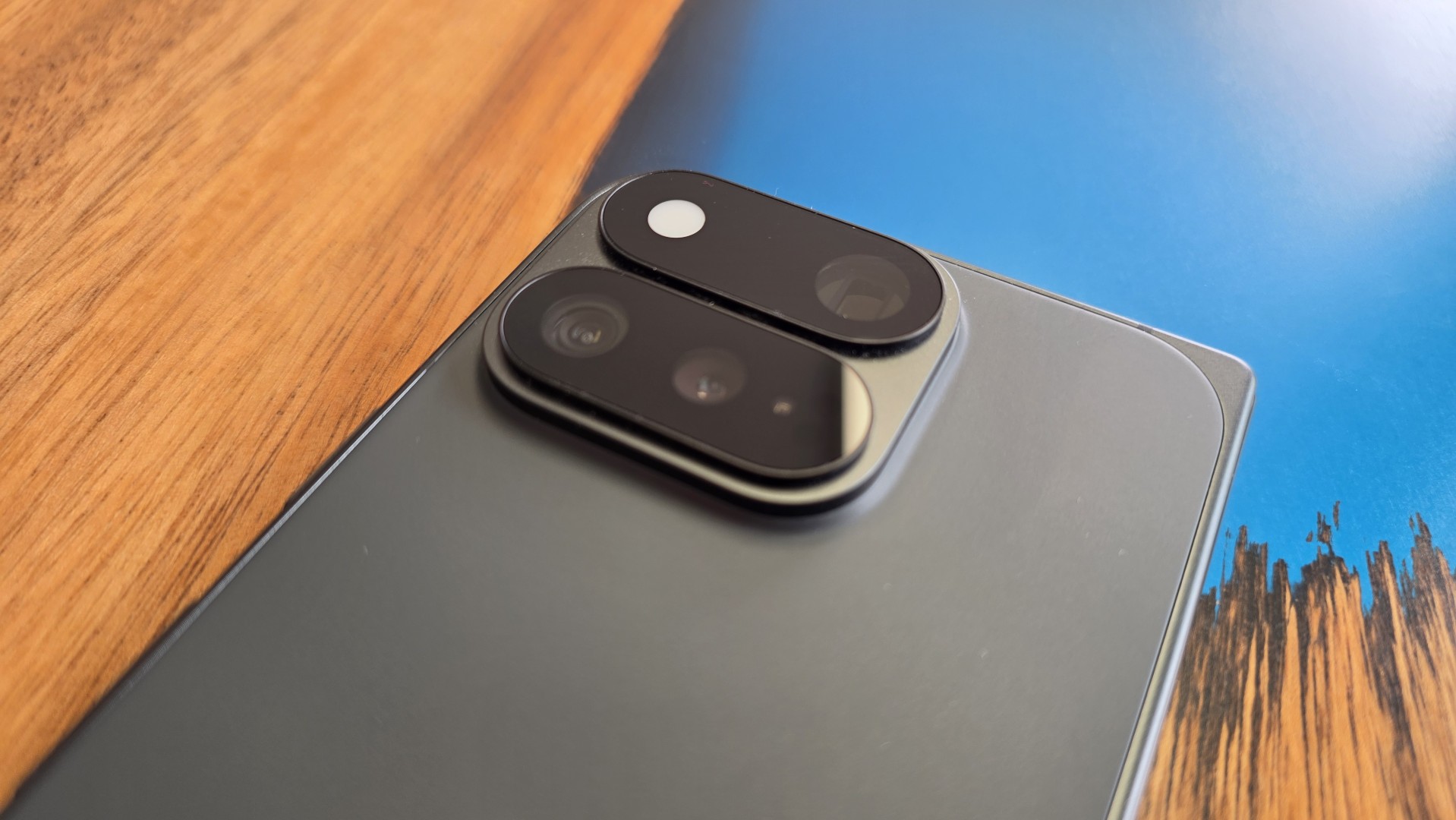
The rear camera setup features a 48MP primary sensor with f/1.7 aperture and optical image stabilization, a 10.5MP f/2.2 ultra-wide-angle lens with macro support, and a 10.8MP f/3.1 periscope telephoto lens with 5x optical zoom and up to 30x Super Zoom. On the front and inside, there are two 10MP f/2.2 selfie cameras. Connectivity options include Wi-Fi 7, Bluetooth 6, UWB chip, Dual SIM support with physical Nano SIM and eSIM, as well as full IP68 certification against water and dust. The battery is a 4,806mAh unit with support for 30W wired fast charging and Pixelsnap Qi2.2 magnetic wireless charging up to 25W.
Pixel design
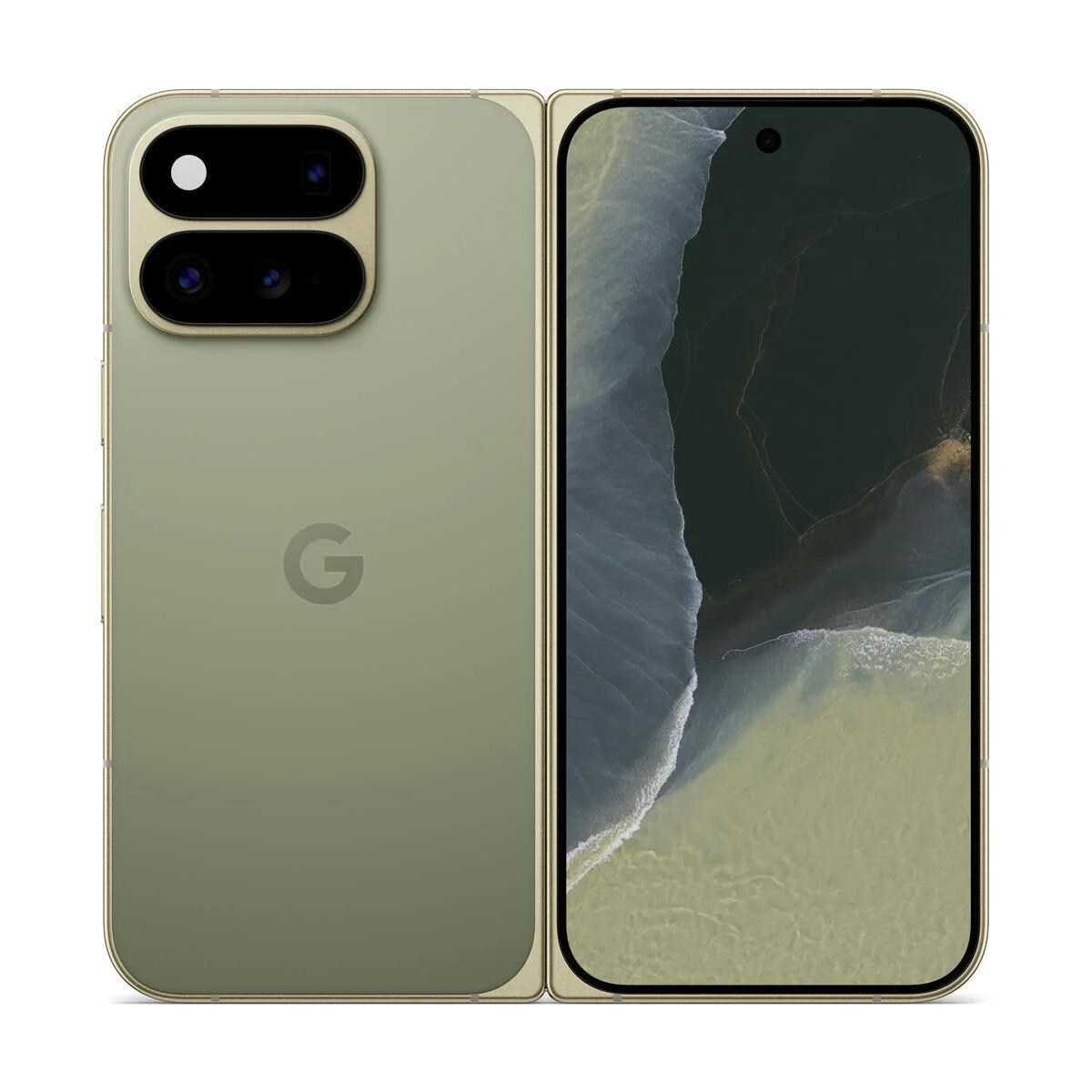
In terms of construction, the device measures 155.2 x 76.0 x 10.1 mm when closed, rising to 155.2 x 150.4 x 5.0 mm when open, with a total weight of 239 grams. The body is indeed slightly slimmer than last year's, almost a millimeter thinner and about twenty grams lighter, accompanied by finally thinner bezels around the external display. The rear body sports a matte finish made of composite material and fiberglass. However, the curious construction asymmetries typical of the model remain, with a slightly different thickness between the two halves that creates a small step when closed.
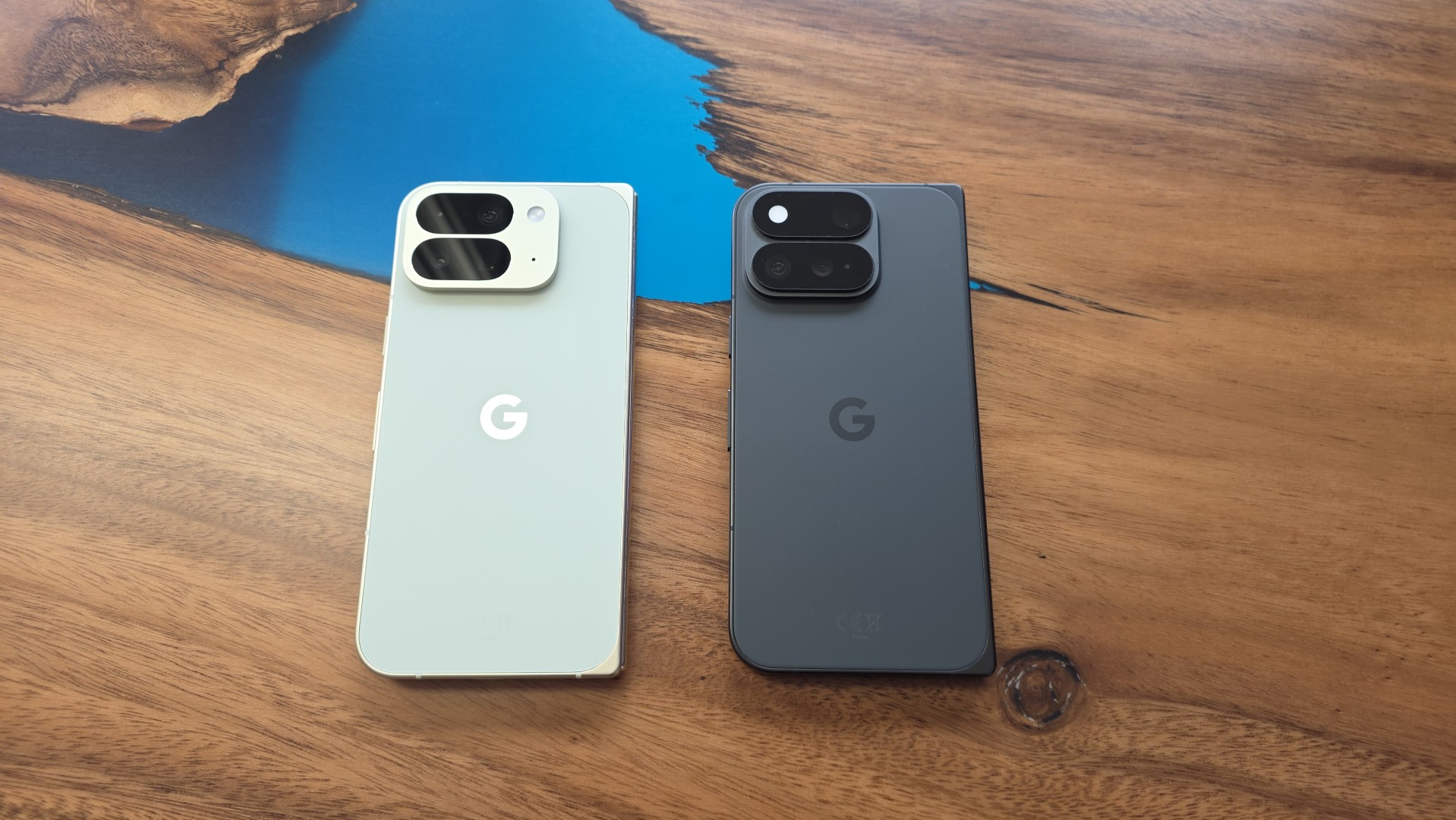
The most visible new feature on the back is HiLight, a ring of multicolored LEDs embedded in the flash module to provide visual alerts. Unfortunately, this feature is currently very limited: it only activates when the phone is face down with the screen off and only handles voice interaction with Gemini or incoming calls from favorite contacts. Notifications for individual third-party apps or custom animations are completely missing, making the whole thing seem a bit bland. On the software front, Android 17 introduces the “Comic Book” feature, which allows you to dock up to five floating apps in a dedicated dock in the bottom corner for quick switching between programs, while the new voice dictation integrated into the Gboard keyboard cleans up natural speech by eliminating hesitation and formatting lists in real time.
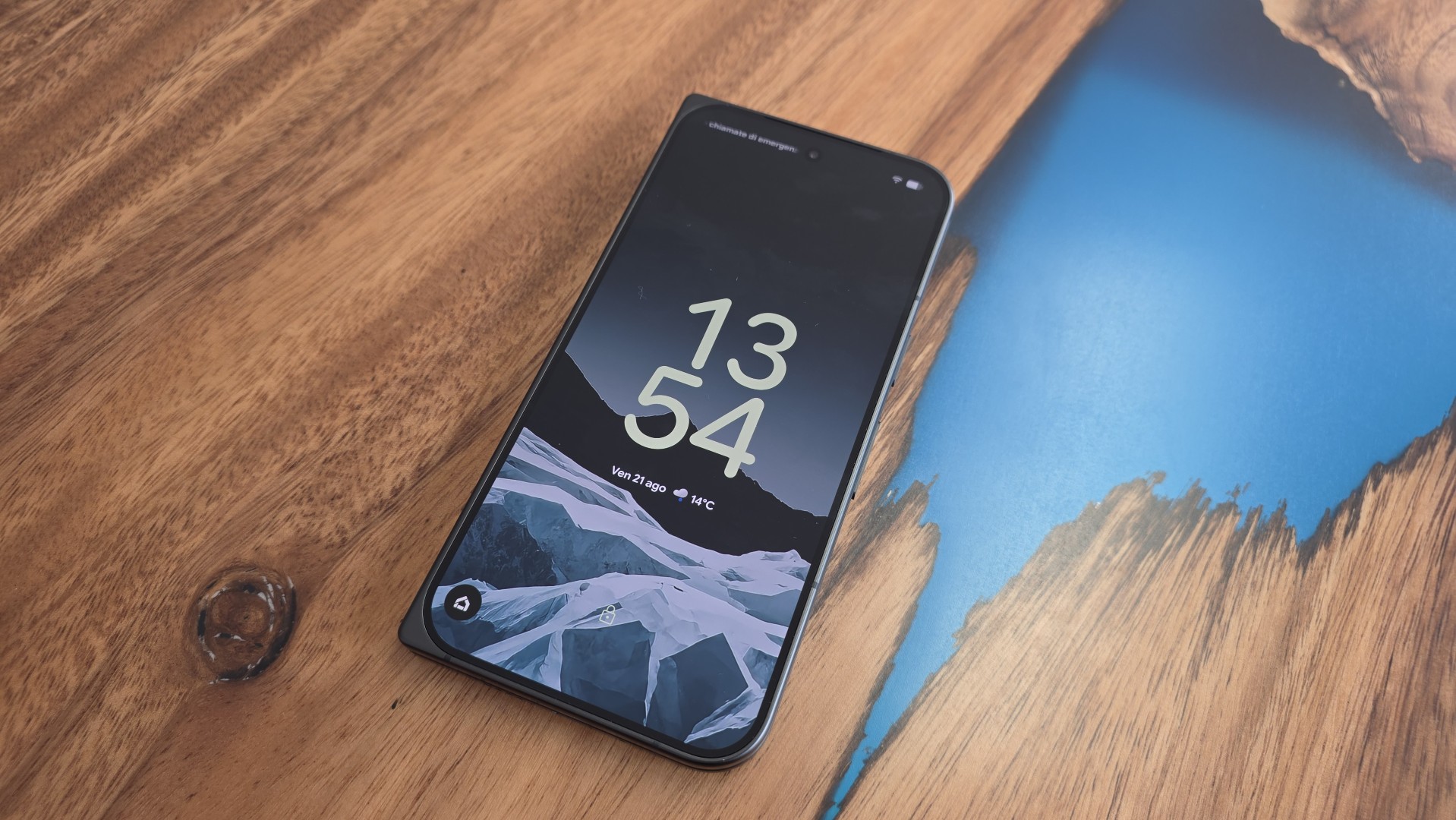
Everyday
We put Mountain View's SoC through its paces to understand how much substance lies behind the promises of the new manufacturing process. In everyday tasks, the system runs like clockwork, with flawless transitions and thermal management that finally doesn't turn the chassis into a portable heater, but when it comes to synthetic tests, things change, and the architecture's limitations emerge unceremoniously. On Geekbench 7, the CPU scores 1,455 in single-core and 4,805 in multi-core, confirming a decent responsiveness for standard productivity but still far from the powerhouses of its direct competitors.
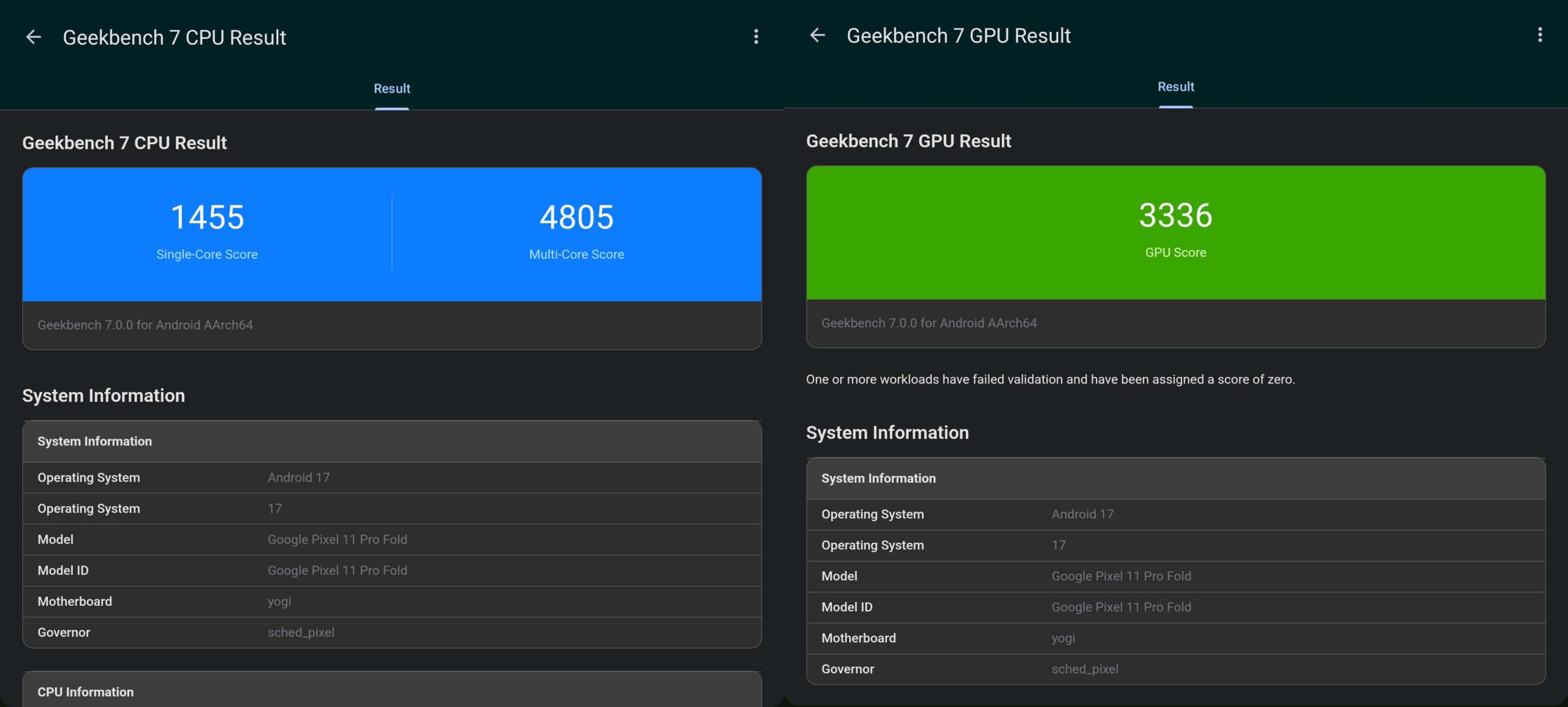
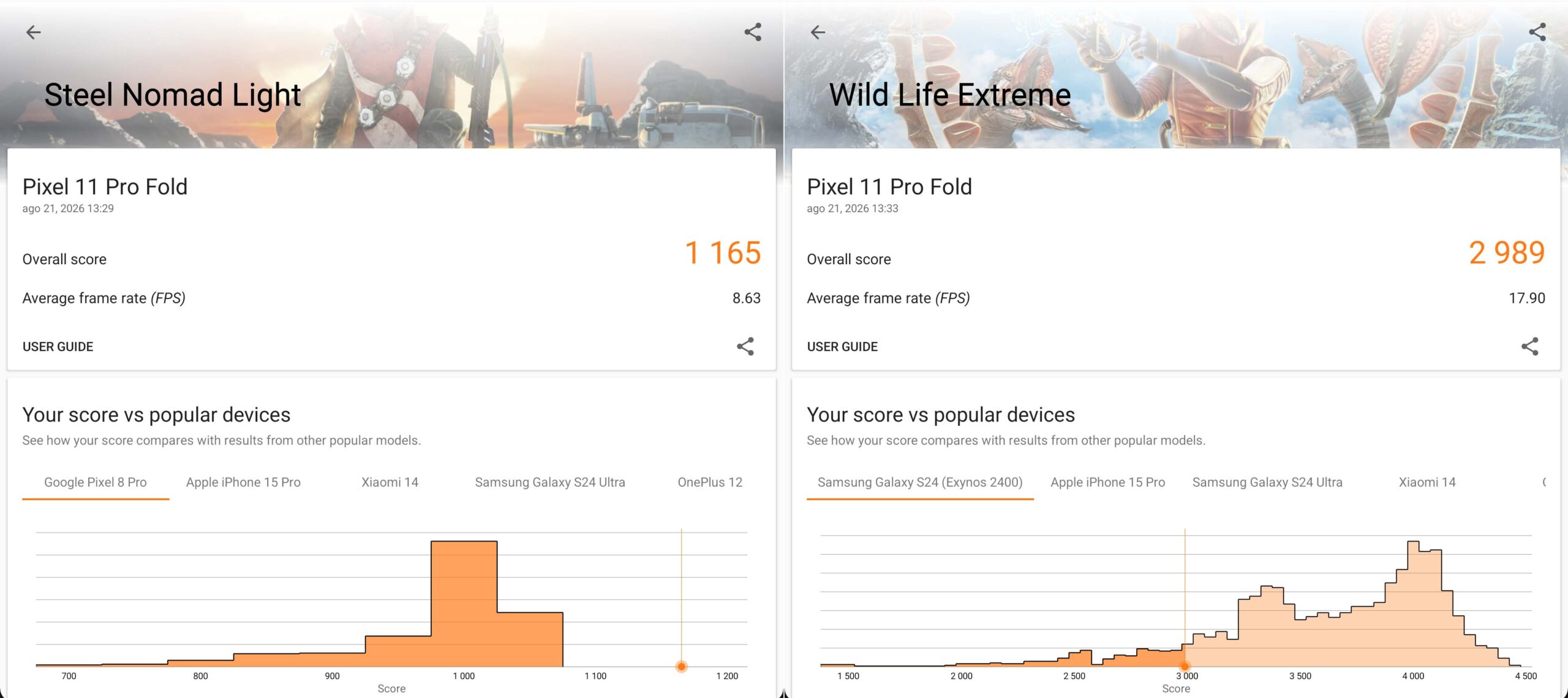
The real Achilles heel, however, remains the graphics department, where the Geekbench 7 GPU benchmark scores a modest 3,336 points. The situation doesn't improve when running the 3DMark suite: if in the old Wild Life test the device simply goes off the charts by saturating the load, just switch to modern workloads and see it struggle. In Wild Life Extreme, the overall score stops at 2,989 points with an average frame rate of just 17.90 FPS, while in the demanding Steel Nomad Light the device only manages 1,165 points, struggling at an average of 8.63 FPS (a result that places it dangerously close to last year's mid-range model rather than a nearly 2,000-franc flagship).
The camera department partially makes up for the computational shortcomings thanks to the new 48MP main sensor, capable of capturing significantly more light in night scenes and supported by the new Camera Looks color profiles, while the Magic Capture function precisely selects the best frames from short video clips. The 5x optical telephoto lens performs admirably at medium distances, but pushing towards the 30x digital ceiling the loss of detail becomes significant. In terms of battery life, the 4806 mAh battery will get you through the day with moderate use, but if you use the large eight-inch internal panel for a long time you'll find yourself looking for a power outlet by dinner time (fortunately, the 30W charging allows you to recharge the 50% in about half an hour, while the 25W Pixelsnap wireless charging speeds up the process for those who use magnetic desk stands).
In short…?
The Google Pixel 11 Pro Fold is a refined and reliable device, enhanced by a clean software experience, seven years of guaranteed updates, and IP68-certified liquid resistance, which remains an absolute benchmark in the foldable sector. However, the overall hardware evolution remains too timid given the list price of 1,899 francs, revised upwards compared to the previous generation. For those who already own a Pixel 10 Pro Fold, the upgrade is unjustified, as the practical differences are minimal and the accessory innovations like HiLight don't shift the balance. It remains an excellent purchase for those who want to enter the foldable world and prefer the Pixel ecosystem, but the competition in terms of size and graphics performance is advancing at a much faster pace.