

The world of data storage is changing at a head-spinning speed, even for the most seasoned sysadmin. Kingston has sent us a technical deep dive (which you can find fully translated below) focused on the impact of artificial intelligence on modern infrastructure.
It's a piece that comes directly from the manufacturer, so it should be taken for what it is: a company's view on industry challenges, not our field test (even if we admit that the performance data for the new PCIe Gen5 is always impressive). It remains an interesting read to understand where the server and high-performance computing market is heading.
AI Era Storage Solutions
With the era of artificial intelligence in full swing, workloads are evolving rapidly. From generative AI models to real-time analytics to edge computing, today’s most ambitious workloads are redefining the demands placed on modern infrastructure. Performance, scalability, and resilience are no longer optional (and thank goodness for that, I'd add) – they are the foundation of what modern infrastructure must deliver. For data center leaders, the challenge is clear: deliver consistently high performance, minimize latency, and control power consumption, all while supporting unprecedented growth.
Big data, even bigger demands
The global explosion of data, fueled by AI innovation, IoT expansion, and the growth of digital media, is projected to exceed 394 zettabytes by 2028. This isn't just a matter of capacity; it's a critical performance requirement. Enterprise workloads, cloud-native applications, and high-compliance industries all demand extremely low latency, high-throughput storage, consistent performance under pressure, and rock-solid data integrity (because losing data during neural network training is the new nerd nightmare). Traditional storage architectures are increasingly strained under these demands. Bottlenecks form, latency spikes, throughput fluctuates, and as applications become more complex, maintaining service levels becomes a constant battle.
The true cost of downtime
In AI-driven environments, storage can no longer be an afterthought. When performance falters, the financial and operational consequences escalate rapidly. System issues, downtime, and latency not only slow down processes but disrupt entire workflows, impact customer experience, and lead to measurable revenue loss. Matching storage performance with compute capabilities is no longer optional; it's fundamental. Advanced PCIe Gen5 SSDs built on 3D NAND architectures are changing the equation. By delivering drastically higher read and write speeds, they remove critical bottlenecks while improving overall system reliability. Enterprise-grade features like end-to-end data protection and power loss protection ensure data integrity even under extreme operating conditions.
Performance meets sustainability
At the same time, data centers face increasing pressure to reduce energy consumption and improve sustainability (a noble mission, considering how hot some racks get). Next-generation AI server storage solutions are designed with energy efficiency in mind. By increasing throughput and reducing latency, PCIe Gen5 SSDs reduce direct energy usage and minimize cooling demands. This translates into greener operations, better scalability, and improved total cost of ownership (TCO). Efficiency is no longer just about speed; it's about smarter energy use.
Ready for the future of the AI era
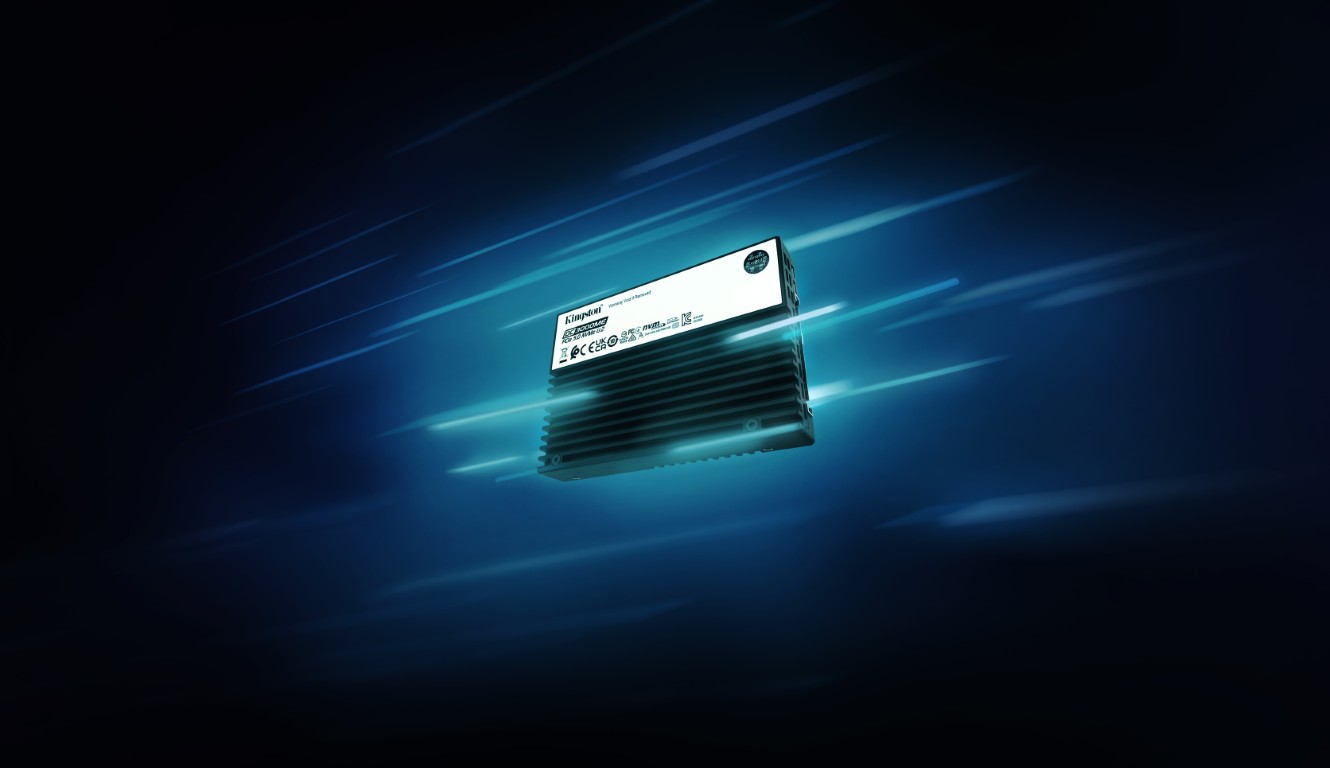
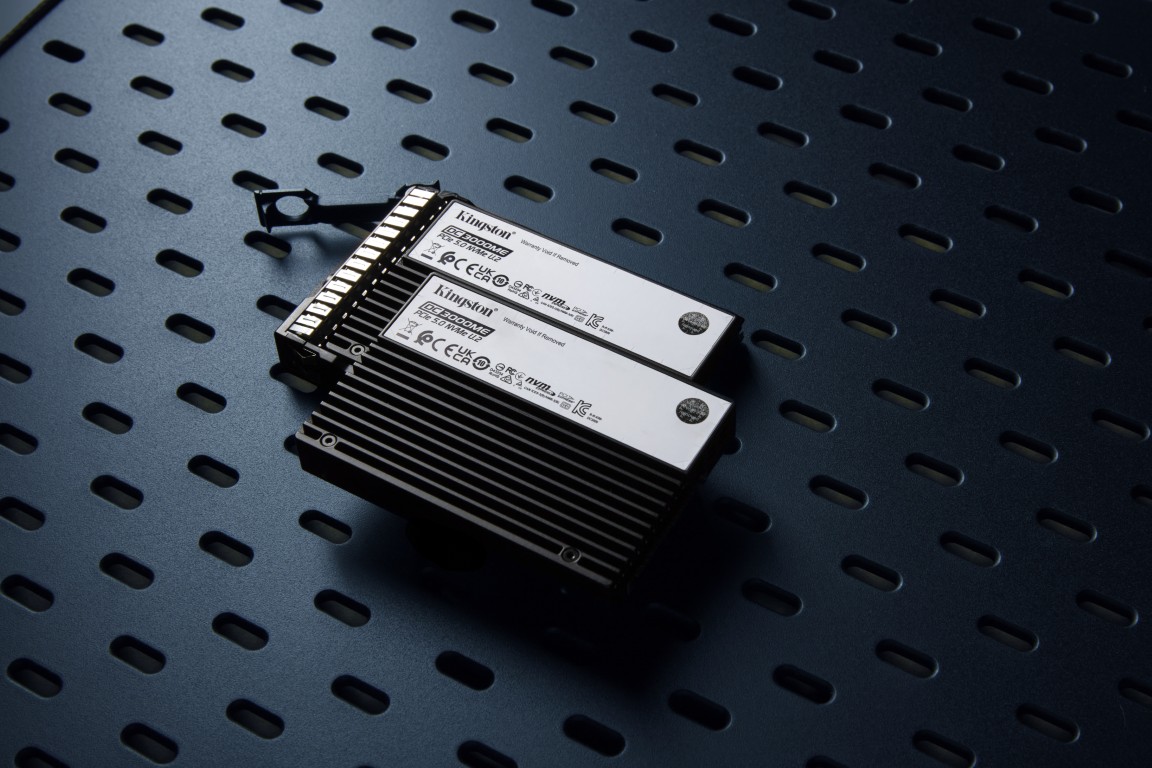
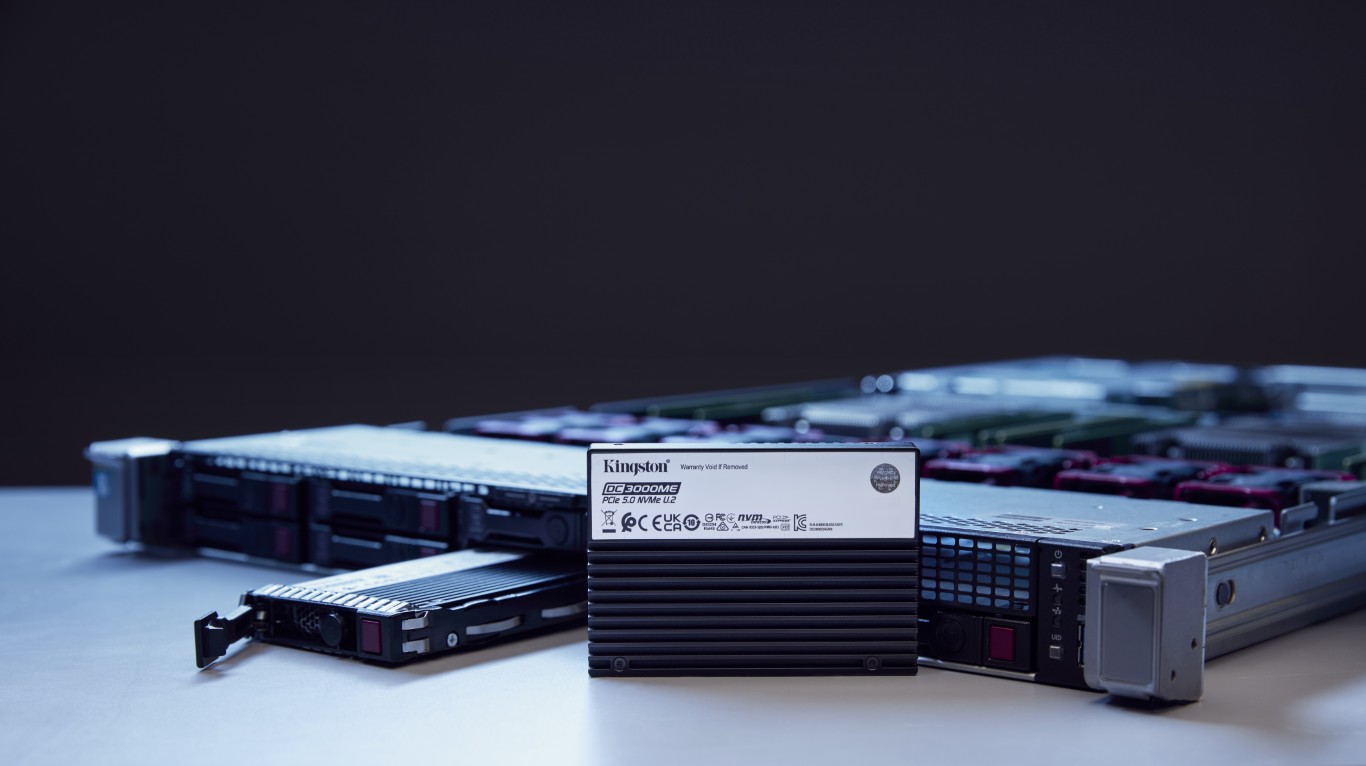
PCIe Gen5 SSD technology represents a significant leap forward, offering double the bandwidth of PCIe Gen4. This increase translates to reduced latency, improved GPU utilization, faster AI model training and inference, and enhanced infrastructure scalability. Implementing scalable, high-performance storage today ensures your infrastructure can handle tomorrow's AI-driven workloads without costly overhauls. At the forefront of this evolution are solutions like Kingston Technology’s DC3000ME. Designed for high-performance server environments, these drives help minimize downtime by efficiently supporting edge computing, AI storage requirements, and computationally intensive processes. They exemplify how modern storage innovation is reshaping data center strategy.
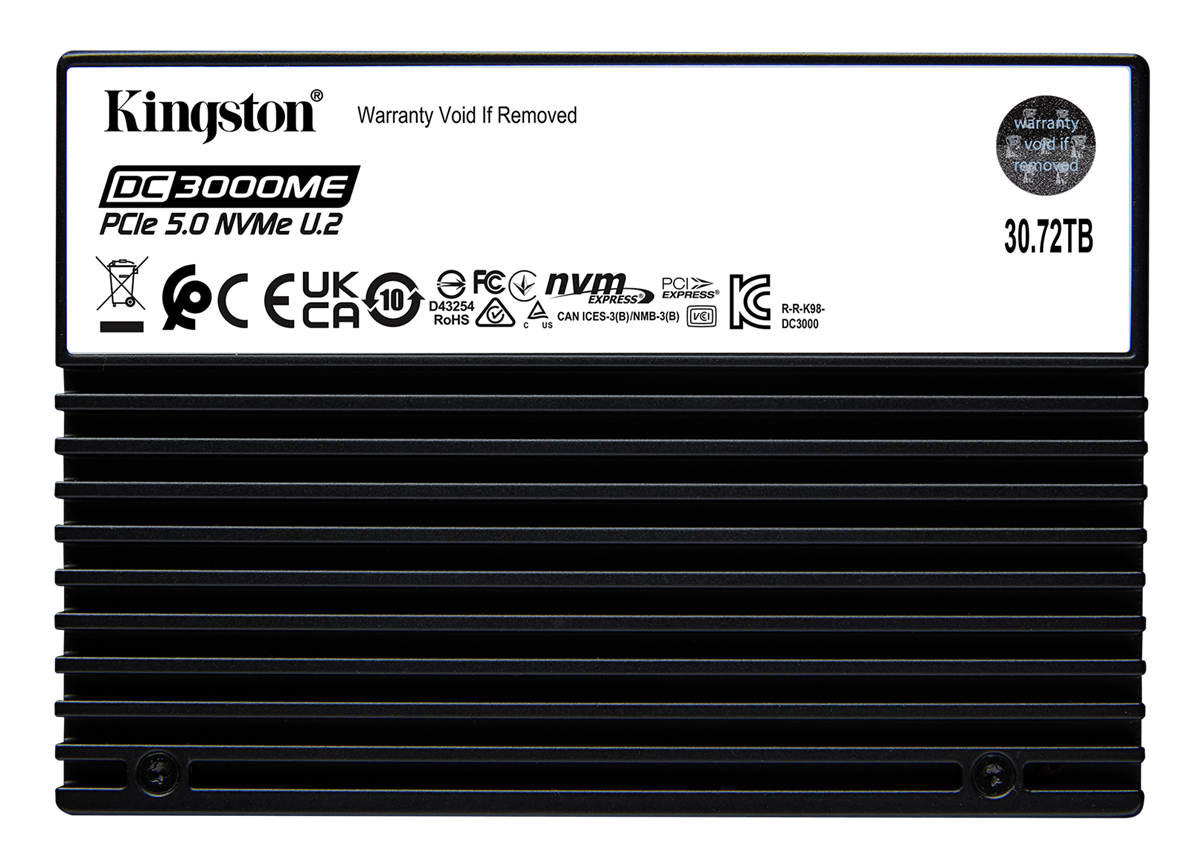
Optimize for what's to come
Understanding the latest advancements in storage technology is essential for maintaining performance and building a resilient, future-ready infrastructure. As AI workloads intensify and data volumes surge, organizations investing in next-generation PCIe Gen5 SSD solutions are positioning themselves to lead the rapidly evolving data center landscape.