The gaming & tech site for Ticino and Italian-speaking Switzerland
The gaming & tech site for Ticino and Italian-speaking Switzerland
Google Pixel 10a

✓ What we like
- Perfectly flat design
- 🟢 Very good battery life
- 🟢 Ten-year software support
- 🟢 Price
What we don't like
- 🔴 No news on the hardware front
- 🔴 Qi2 charging is missing
- 🔴 Sticky digital zoom
Technological maturity has now transformed smartphones from futuristic dreams into everyday appliances, and Google, with the new Pixel 10a, seems to have embraced this philosophy in a radical way.

We are faced with what, on a superficial analysis, might appear to be the laziest “sidegrade” in recent history, but in a 2026 market plagued by component price increases and memory shortages, the real news is not so much the revolution as the stability. Google has succeeded in keeping the price tag anchored to the magic 499 CHF, offering a midrange package that doesn't aim to amaze those who already have last year's model in their pocket, but rather to extend a hand to those looking to update an aging and tired device.
Design with a surprise
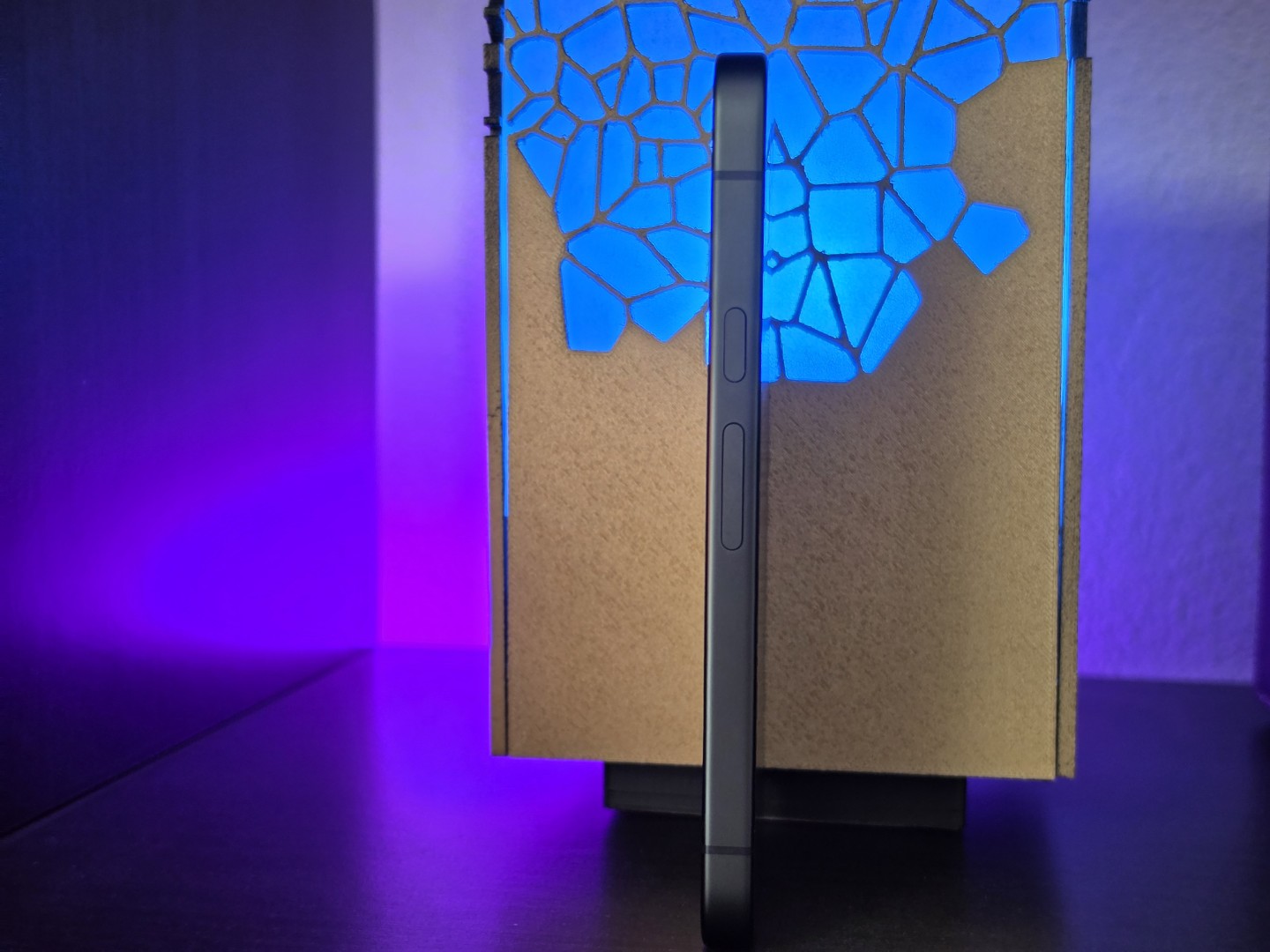
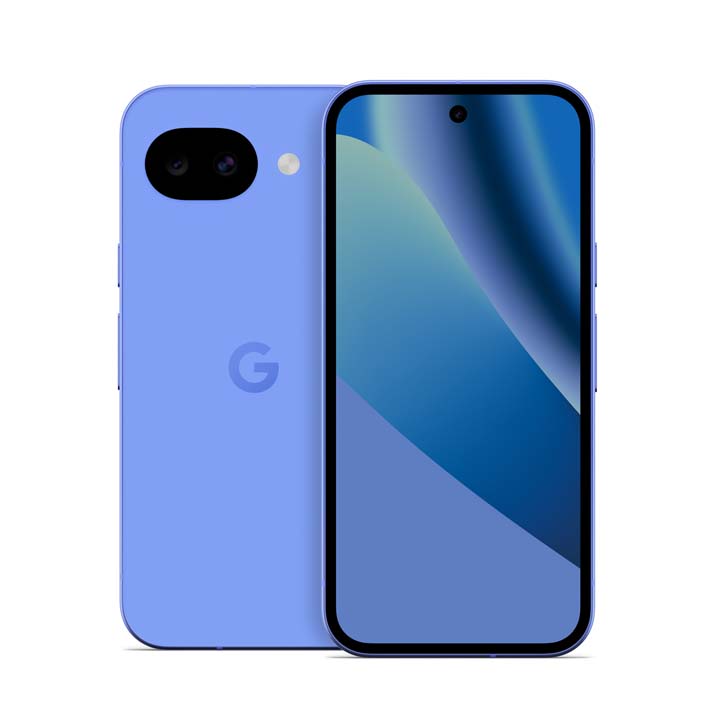
The design is an ode to minimalism with a hint of nostalgia that, incredibly, transforms absence into a feature: the back is completely flat. The camera sensors have been refined to the point of being practically recessed into the composite material panel, completely eliminating that bulge that has plagued smartphone backs for years and allowing the phone to rest on a desk without the slightest wobble.
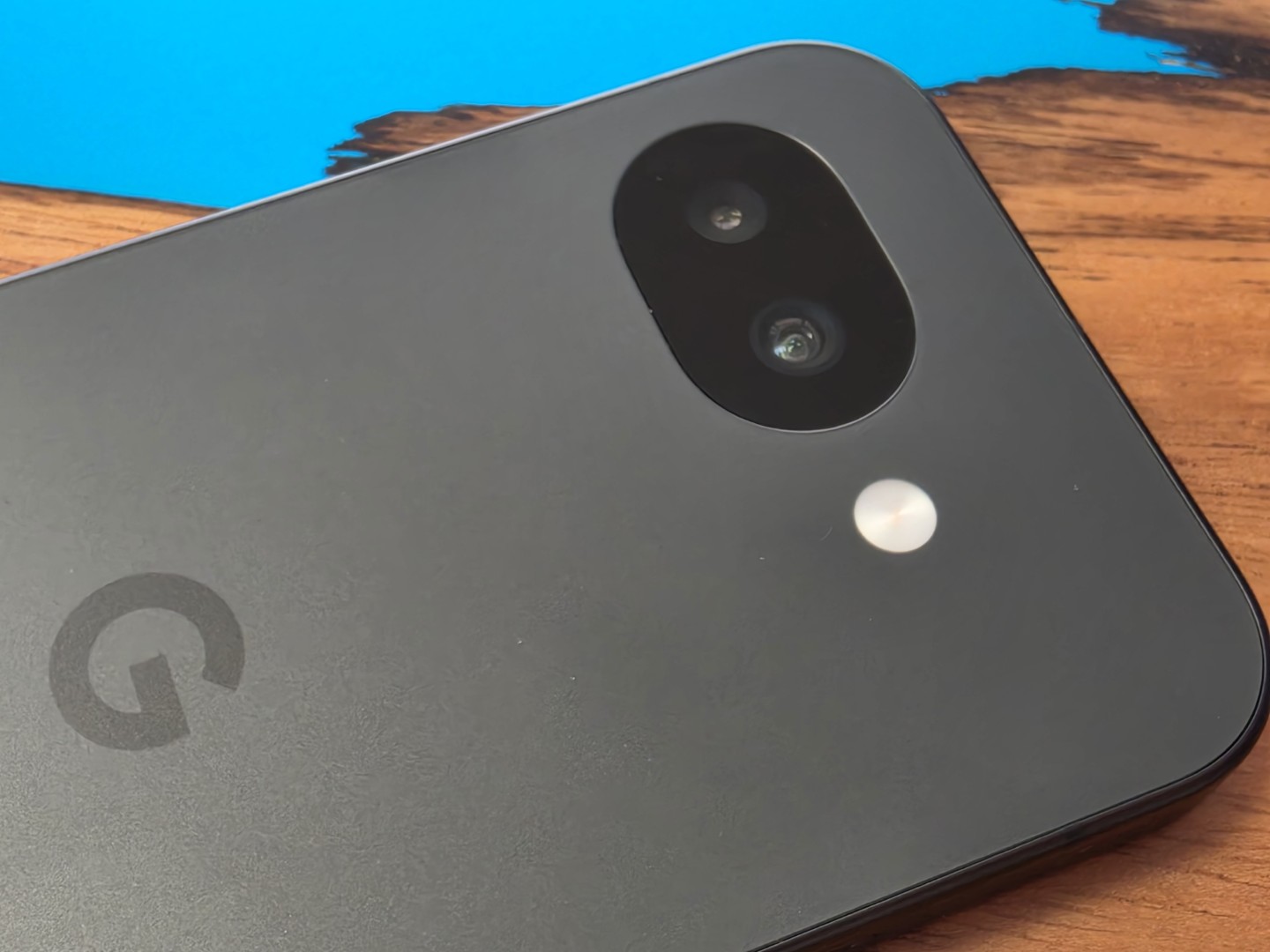
The plastic unibody is exceptionally well-made, and the aluminum frame provides enviable structural rigidity, conveying a clean and premium feel. However, the decision to deny the A series the Pixelsnap magnetic system or Qi2 standard appears almost punitive, an artificial way to create a divide from the flagship line that, in 2026, is difficult to accept.
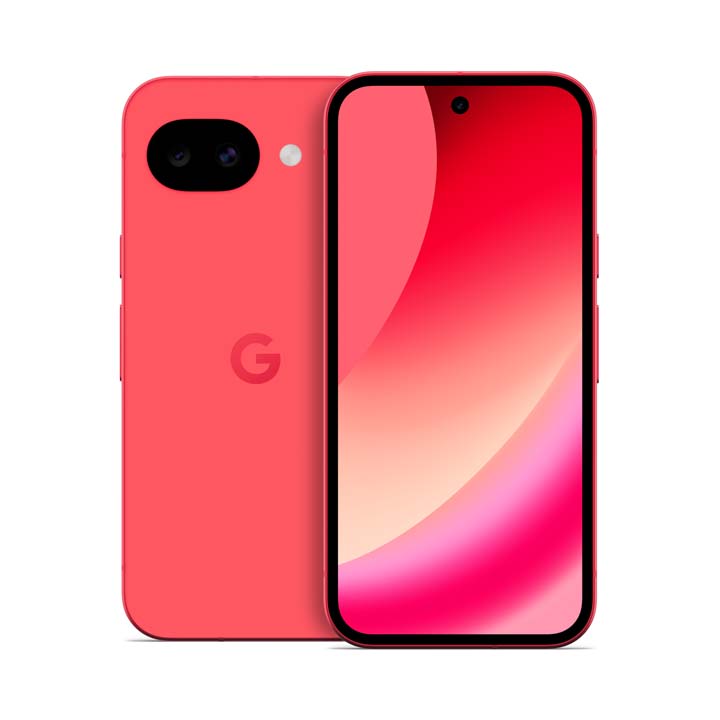
Under the hood, the surprise (not exactly welcome for pure number lovers) is the confirmation of the Tensor G4 SoC. It's the first time Google hasn't aligned the A-series chip with the current generation of its bigger siblings, a move that is reflected in benchmarks predictably identical to those of the Pixel 9a. But if raw power doesn't stir your heart, the optimization for Android 16 is impressive on the software level: while maintaining the same 5,100 mAh battery, the Pixel 10a gains over two hours of real-world battery life in stress tests, surpassing 15 hours of screen-on time and ensuring longevity that allows for two days of moderate use. The 6.3-inch Actua display is vibrant and finally protected by Gorilla Glass 7i, a fundamental upgrade compared to the outdated Glass 3 of previous models, even though you have to get your hands dirty in the settings to unlock the 120Hz, which for some mysterious reason is disabled by default.
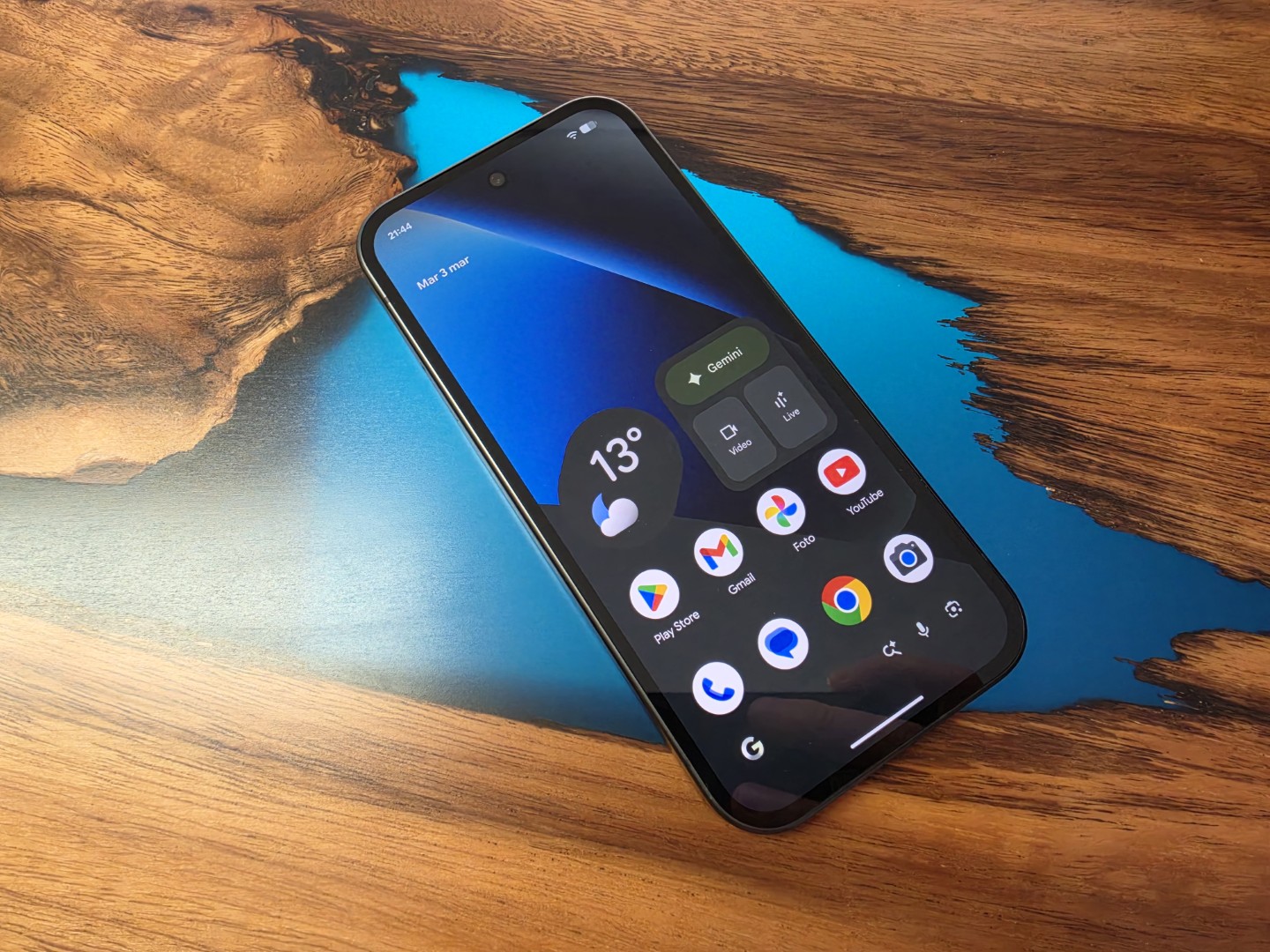
Photo pixel
Photography remains the pillar of the Pixel experience, even if the 48MP and 13MP sensors are starting to show their age. While we are generally pleased with the color reproduction and light management, it's impossible to ignore that images tend to look overly “smoothed” when using digital zoom, and that low-light performance, while good, is no longer as miraculous as it once was.

Where the device truly shines is in its 4K video stability and new AI utilities like Auto Best Take and Camera Coach, which make shooting foolproof even for the less experienced. However, the 8GB of RAM represents the true bottleneck for the future: it's enough to handle Android 16 and the new, excellent desktop mode (which transforms the phone into a workstation worthy of Samsung DeX), but it prevents the local execution of the more advanced Gemini Nano models reserved for the Pro.

Bottom line
Ultimately, the Pixel 10a is a device designed for those who have been waiting a while to upgrade, not for those who have last year's model. With seven years of guaranteed updates until 2033, SOS Satellite enabled by the new Exynos 5400 modem, and a price that defies inflation, Google is offering a device that isn't meant to be a gadget for enthusiasts, but a reliable long-term companion. It won't make your heart race with hardware innovation, but it will serve you faithfully every day, proving itself to be one of the best ways to spend 499 CHF in the current Android smartphone landscape.