
The gaming & tech site for Ticino and Italian-speaking Switzerland
The gaming & tech site for Ticino and Italian-speaking Switzerland
De Blob 2

4
✓ What we like
- The idea
- 🟢 Background plot
What we don't like
- 🔴 Repetitive gameplay
- 🔴 Slow gameplay mechanics
- 🔴 No new "features" for the next-gen
Partorito dalla mente di 8 studenti universitari della HKU Utrecht School of the Arts nei Paesi Bassi, De Blob, tradotto in inglese The Blob dalla lingua olandese, era stato sviluppato originariamente per essere giocato su sistemi operativi Microsoft Windows a fine giugno 2006. Scaricabile gratuitamente dal sito dell’accademia (il prototipo), era stato inizialmente creato utilizzando il motore grafico OGRE, dove a THQ piacque molto l’idea e decise di diventare il publisher per far conoscere al mondo questo piccolo capolavoro.
Uscito successivamente su Wii e iOS nel 2008 e poi sulle altre console, riceve subito buoni feedback dalla critica variando il suo punteggio tra gli 8 e 9 punti su 10, vendendo più di 700’000 copie in tutto il mondo. Successivamente nel 2010 viene annunciato De Blob 2, dove ad inizio 2011 viene pubblicato per Playstation 3, Wii, Xbox 360 e Nintendo DS e ora viene fatto il porting sulle next-gen console quali PS4, Xbox One e, prossimamente, Nintendo Switch.
Coloriamo un po’
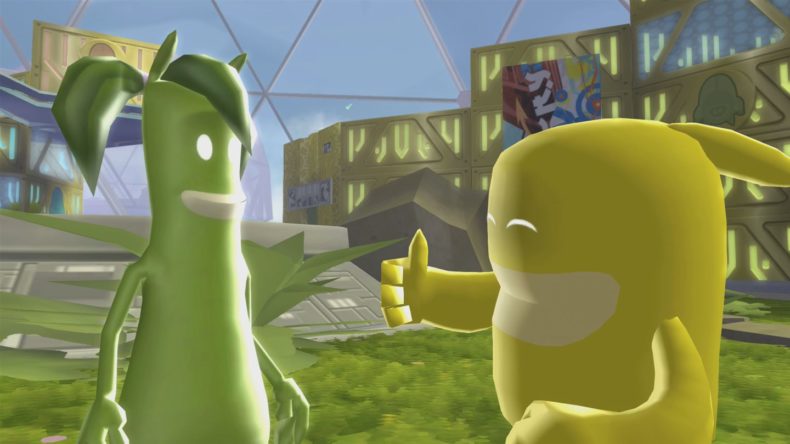
De Blob 2 ripercorre le meccaniche del primo capitolo, ossia quello di dare colore e vita all’intera città di Prisma City, resa monocromatica dal suo antagonista (battuto già in precedenza in Chroma City). La trama, che nasconde un pensiero più profondo di quello banale che si può pensare, vuole mettere in risalto la possibilità di ribellarsi davanti ad una dittatura, che toglie vitalità e personalità agli individui che ci vivono, mettendo colore e luce al mondo circostante. Per questo secondo capitolo il concetto è pressoché uguale, con l’unica differenza che il nemico ha trovato un nuovo modo per dettare le regole, diventando un mentore di una setta.
Tocca di nuovo ad un blob a colorare e contrastare il mondo privo di colori, assorbendo i colori primari e mescolandoli successivamente, saltando e strisciando in giro per la città colorando le varie strutture, oggetti e scenografica con un nuovo stile. La colorazione e il mix dei colori, successivamente, avrà uno scopo ben specifico e sarà la chiave determinante per proseguire nell’avventura.

Le “novità”… circa
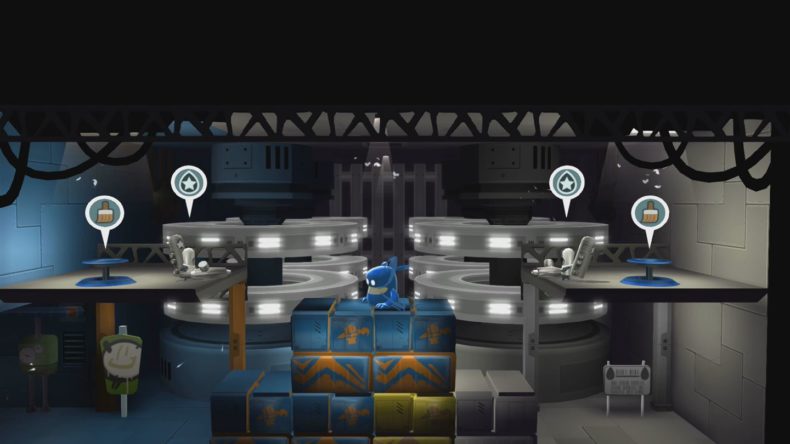
In questo capitolo, rispetto a quello precedente, sono stati aggiunti dei livelli in 2.5D, che permette di variare un po’ il gameplay all’interno delle strutture e nei sotterranei, rispetto le ampie, ma controllate, zone all’esterno. La versione Xbox One, ha permesso di migliorare le texture e definire al meglio i modelli poligonali di questa versione uscita circa 7 anni fa, ma niente di pressoché emozionante che ti faccia venire voglia di riacquistarlo se l’avevate già giocato precedentemente, anche se risolve tutti quei problemi di frame rate che aveva precedentemente sulle vecchie generazioni di console.
Conclusione
De Blob 2 in certi tratti risulta di una cadenza un po’ troppo lenta, facendo perdere la voglia al giocatore di continuare, anche se a livello artistico è decisamente molto interessante. (specialmente per i giocatori più giovani). L’introduzione di un personaggio spalla, permette di giocare in due giocatori, anche se molto limitatamente (un po’ come il Cappy di Mario Odissey) che permette di divertirsi in compagnia in locale con qualche amico o parente. Se vi state chiedendo ancora se vale la pena acquistarlo, vi diremmo si, ma solo se: vi piace il genere, se lo trovate in offerta o se non soffrite di narcolessi4ksnm
